Japanese spitz
The Japanese Spitz was developed in Japan in the 1920s and 30s from white German Spitz imports and other white spitz breeds, and standardised after the Second World War.
It is pure white, with a stand-off coat, a plumed tail over the back and a distinctly foxy face.
It stands 30 to 38 centimetres, weighs 5 to 10 kilograms and lives twelve to sixteen years. It is a companion breed rather than a working one, and it is a genuinely healthy one — the gene pool was managed carefully and there are few inherited problems. Temperament is bright, affectionate and playful, with the spitz tendency to alert-bark and a strong attachment to its household.
- Origin
- Japan, 1920s–30s, from white spitz imports
- Size
- 30–38 cm; 5–10 kg
- Lifespan
- 12–16 years
- Coat
- Pure white stand-off double coat; surprisingly self-cleaning
- Temperament
- Bright, affectionate and playful; alert-barks
- Health
- Notably sound; patellar luxation the main concern
Related: German spitz · Finnish spitz · Japanese akita inu · Japanese chin · Japanese terrier
2 japanese spitz photos, newest first
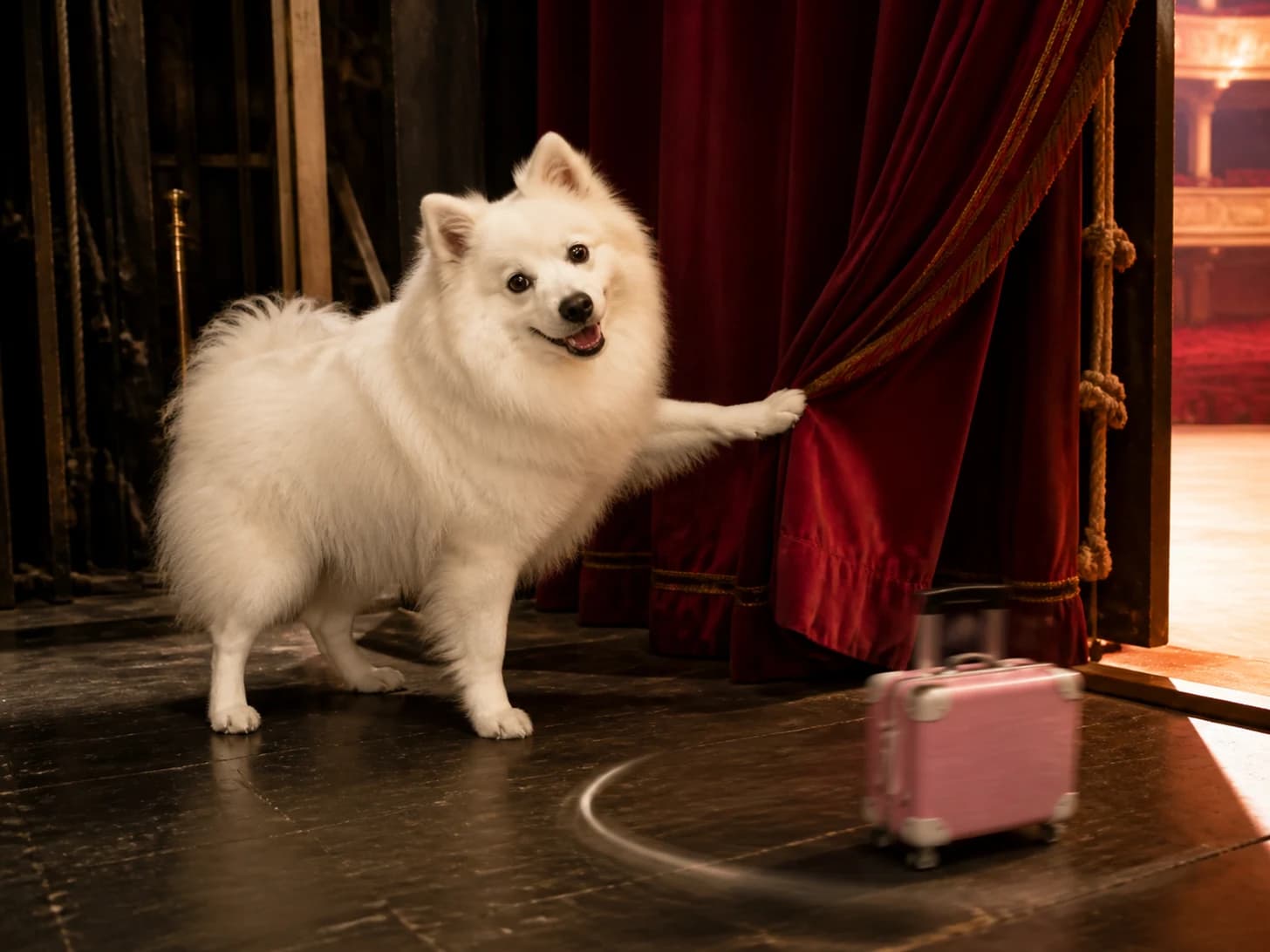

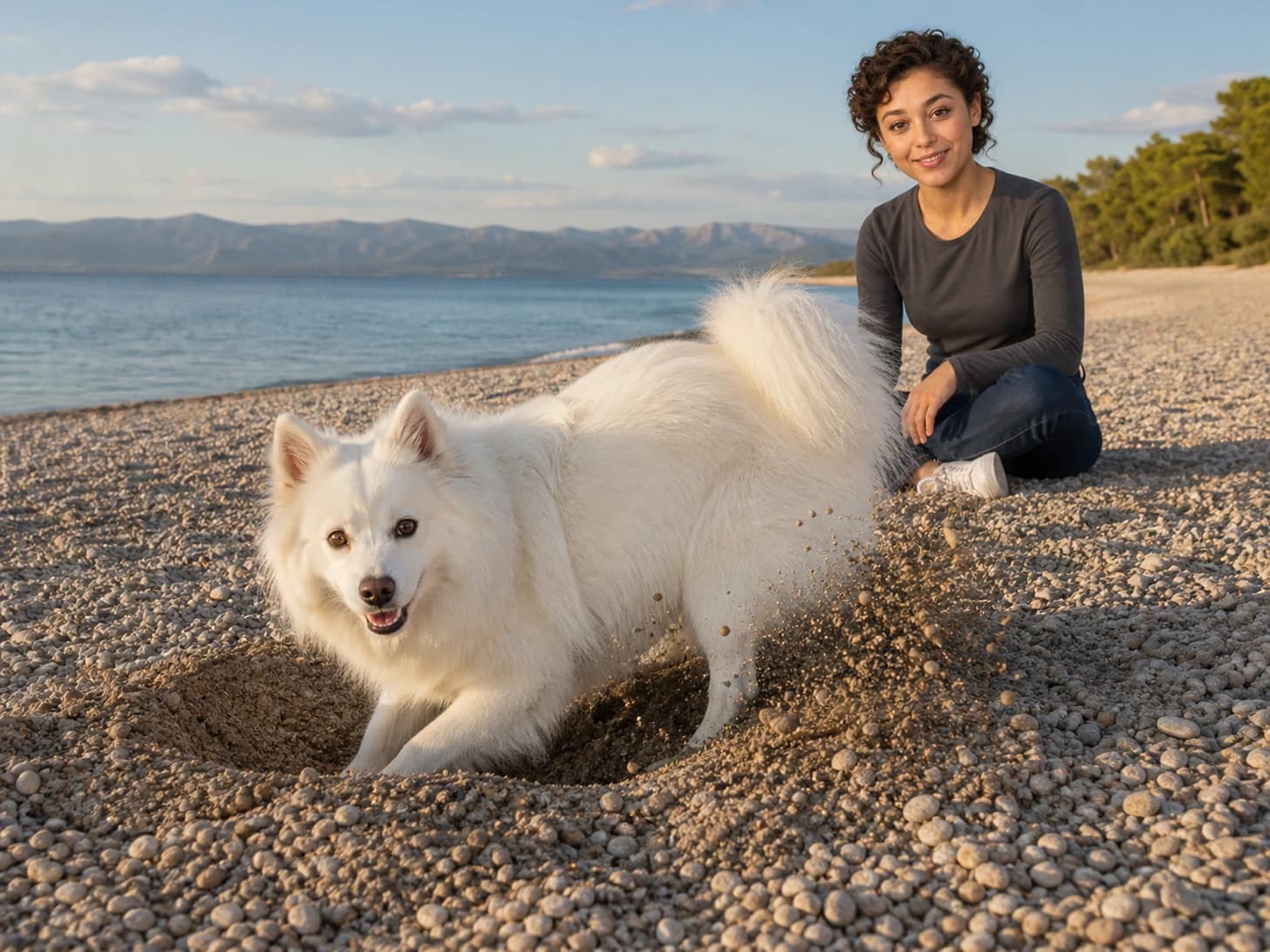
Living with a japanese spitz
The white coat is far less trouble than it looks. It is textured so that dirt dries and falls out, so bathing is infrequent — brushing twice a week and daily through the moult is most of the work, and over-bathing damages the coat.
Never shave a double coat.
They alert-bark like any spitz. Early training on a quiet cue helps.
Health is genuinely good, which is worth noting for a purebred. Ask about patellar luxation and have eyes checked.
They are companion dogs and dislike being left alone. Exercise needs are moderate — a couple of good walks and play — and they are clever and enjoy training.
General guidance, not veterinary advice. Individual dogs vary, and anything about a specific animal is a question for a vet who has seen it.
Worth reading alongside this
More dogs by breed
Every dog breed somebody has posted a photo of.
- Labrador retriever18
- Afghan hound3
- Airedale terrier3
- Akita3
- Alaskan Klee Kai3
- Alaskan malamute3
- American bulldog3
- American eskimo dog3
- American hairless terrier3
- American pit bull terrier3
- Aussiedoodle3
- Australian cattle dog3
- Australian shepherd3
- Basenji3
- Basset hound3
- Beagle3
- Belgian Malinois3
- Bergamasco sheepdog3
- Bernedoodle3
- Bernese mountain dog3
- Bichon frise3
- Biewer terrier3
- Black and tan coonhound3
- Bloodhound3