Italian greyhound
The Italian greyhound is a miniature sighthound of genuine antiquity — dogs of this shape appear in Mediterranean art two thousand years ago — and was a favourite of European courts for centuries.
It is not a scaled-down greyhound but a distinct ancient breed.
It is tiny, fine-boned and deep-chested, with a short glossy coat, an arched back and a high-stepping gait. Italian greyhounds are affectionate and comically attached to warmth and comfort: they burrow under blankets, sit on whoever is available, and combine genuine sighthound speed outdoors with near-total inertia indoors.
- Origin
- Mediterranean; developed across Italy and Greece
- Size
- 3–5 kg, 32–38 cm at the shoulder
- Lifespan
- 14–15 years
- Coat
- Very short, fine and glossy
- Temperament
- Affectionate, sensitive, comfort-seeking, timid with noise
- Exercise
- 30–60 minutes daily with a chance to sprint
Related: Greyhound
3 italian greyhound photos, newest first
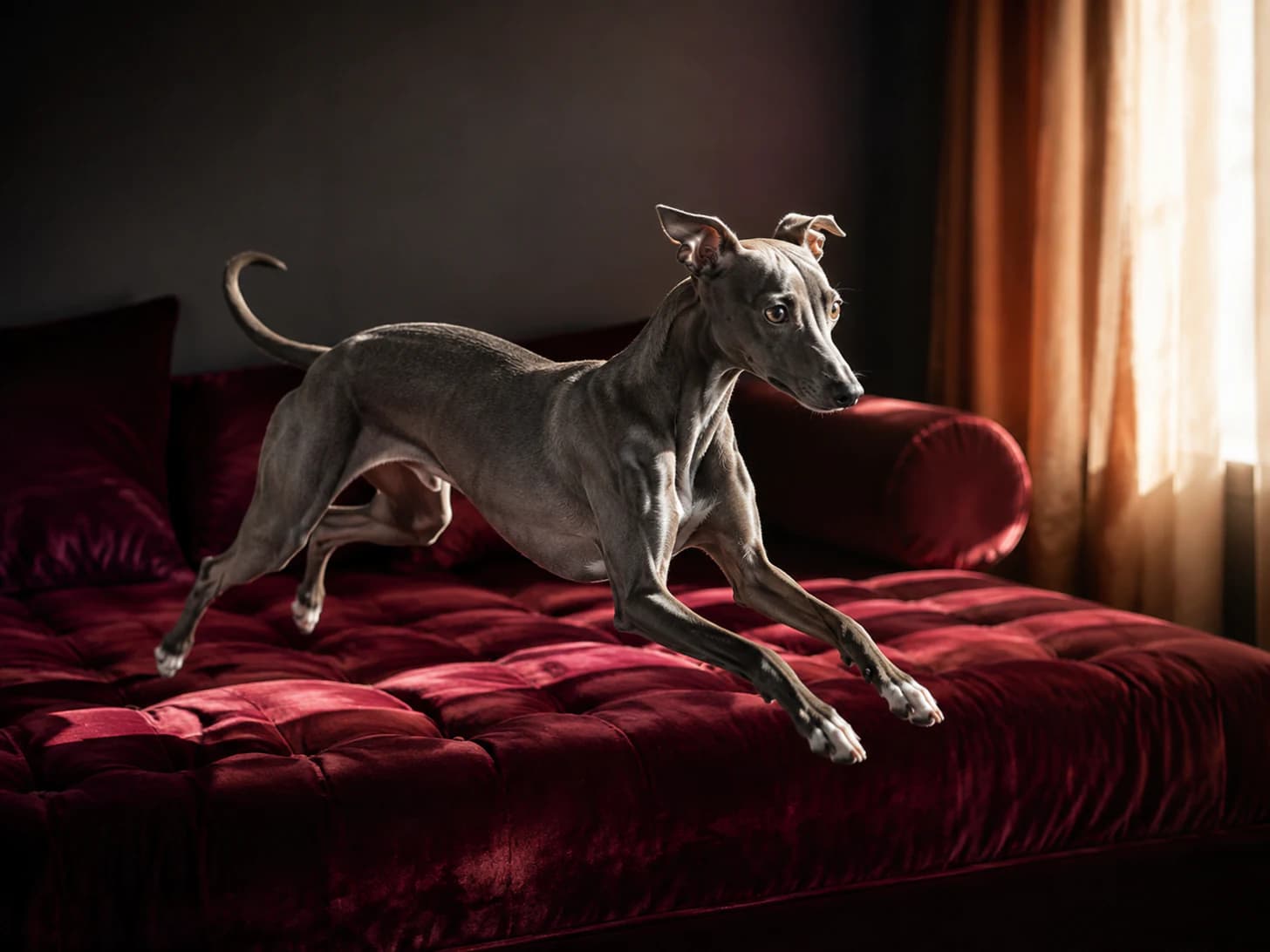

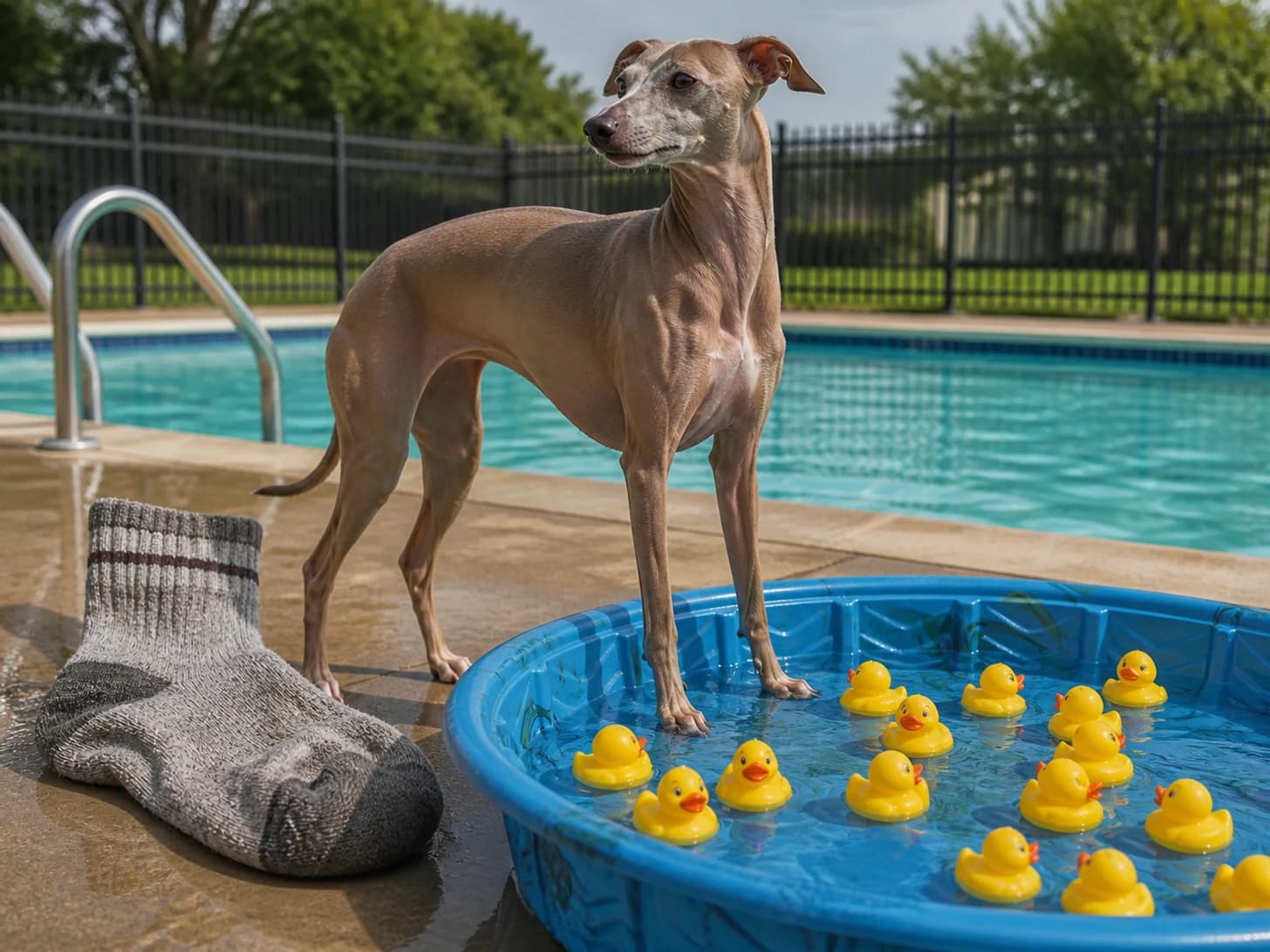
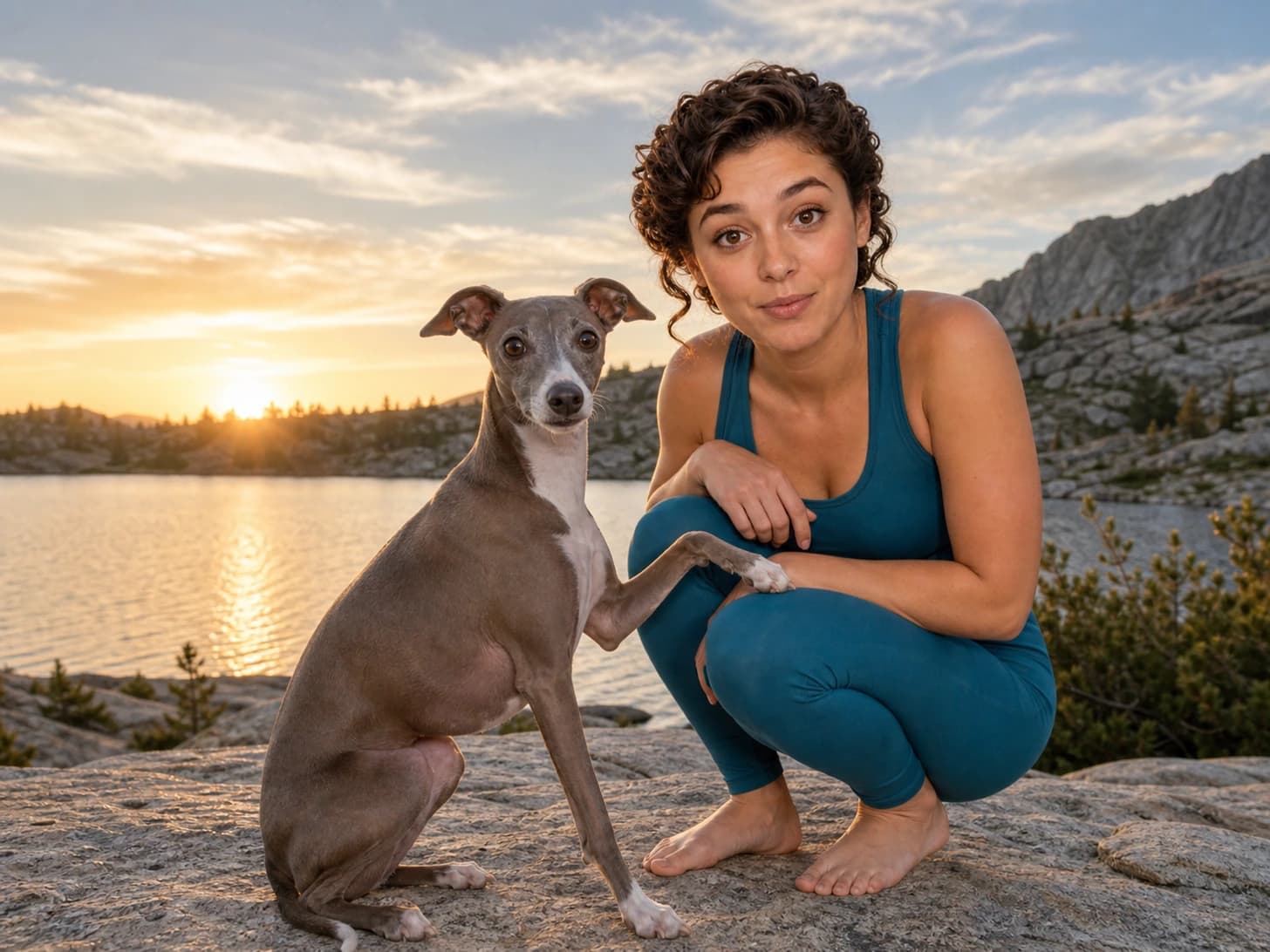
Living with a italian greyhound
Grooming is a wipe over. The thin coat and near-total lack of body fat mean they genuinely need coats outdoors in cool weather, and they will always find the warmest spot in the house.
The legs are the vulnerability. Italian greyhounds have a real incidence of broken legs, particularly young dogs jumping from furniture, so discourage height and supervise rough play.
Dental disease is common and serious in the breed — brush the teeth. Watch also for luxating patellae, progressive retinal atrophy and sensitivity to anaesthetics, which any vet should be told about.
General guidance, not veterinary advice. Individual dogs vary, and anything about a specific animal is a question for a vet who has seen it.
Worth reading alongside this
More dogs by breed
Every dog breed somebody has posted a photo of.
- Labrador retriever18
- Afghan hound3
- Airedale terrier3
- Akita3
- Alaskan Klee Kai3
- Alaskan malamute3
- American bulldog3
- American eskimo dog3
- American hairless terrier3
- American pit bull terrier3
- Aussiedoodle3
- Australian cattle dog3
- Australian shepherd3
- Basenji3
- Basset hound3
- Beagle3
- Belgian Malinois3
- Bergamasco sheepdog3
- Bernedoodle3
- Bernese mountain dog3
- Bichon frise3
- Biewer terrier3
- Black and tan coonhound3
- Bloodhound3