American pit bull terrier
The American pit bull terrier descends from bull-and-terrier crosses brought from Britain and Ireland in the nineteenth century.
Bred originally for fighting, it was also a general farm dog, and the same lines produced dogs kept as family companions throughout.
It is a medium-sized, muscular, short-coated dog with a broad head and heavy jaw. The breed's reputation is contested and the legal position varies by country — it is restricted or banned in several. The temperament as bred is confident, people-friendly and eager to please; historic dog-directed aggression is real and is why responsible owners manage introductions rather than assume.
- Origin
- United States, from British bull-and-terrier stock
- Size
- 14–27 kg, 43–53 cm at the shoulder
- Lifespan
- 12–14 years
- Coat
- Short, smooth and stiff
- Temperament
- Confident, people-oriented, tenacious, high energy
- Exercise
- 1–2 hours daily plus mental work
Related: Bull terrier · Airedale terrier · American bulldog · American bully · American English coonhound
3 american pit bull terrier photos, newest first
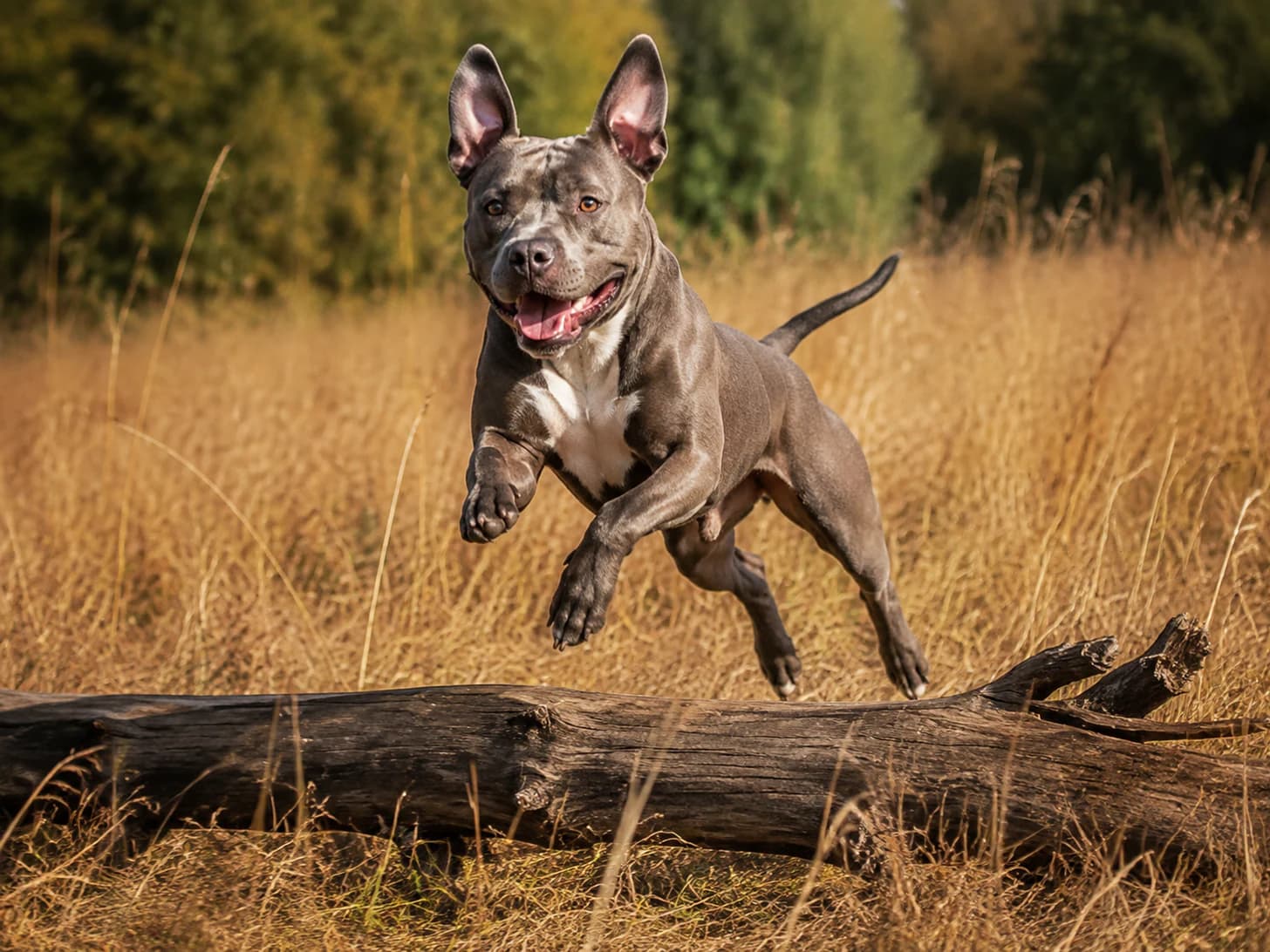
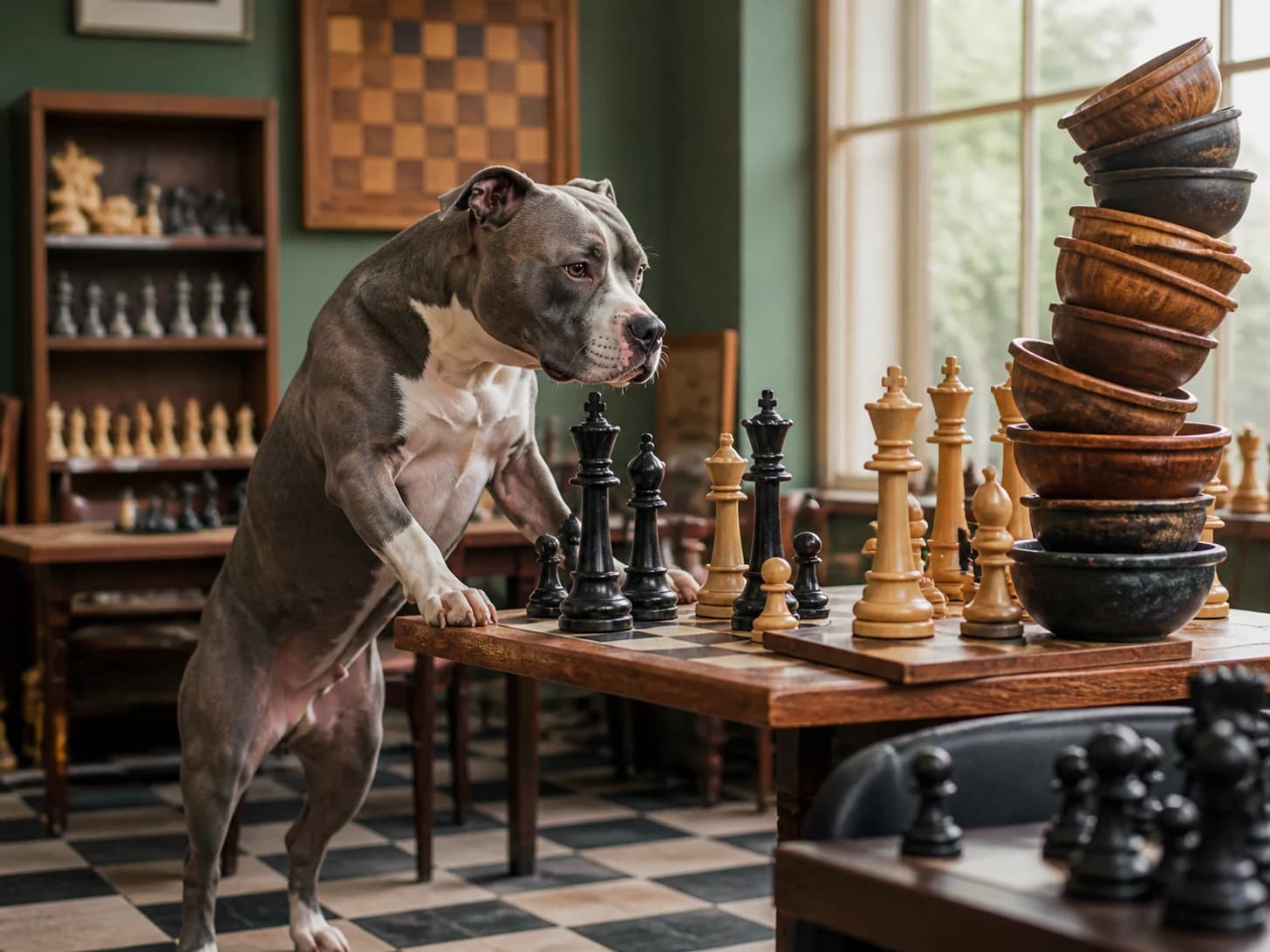
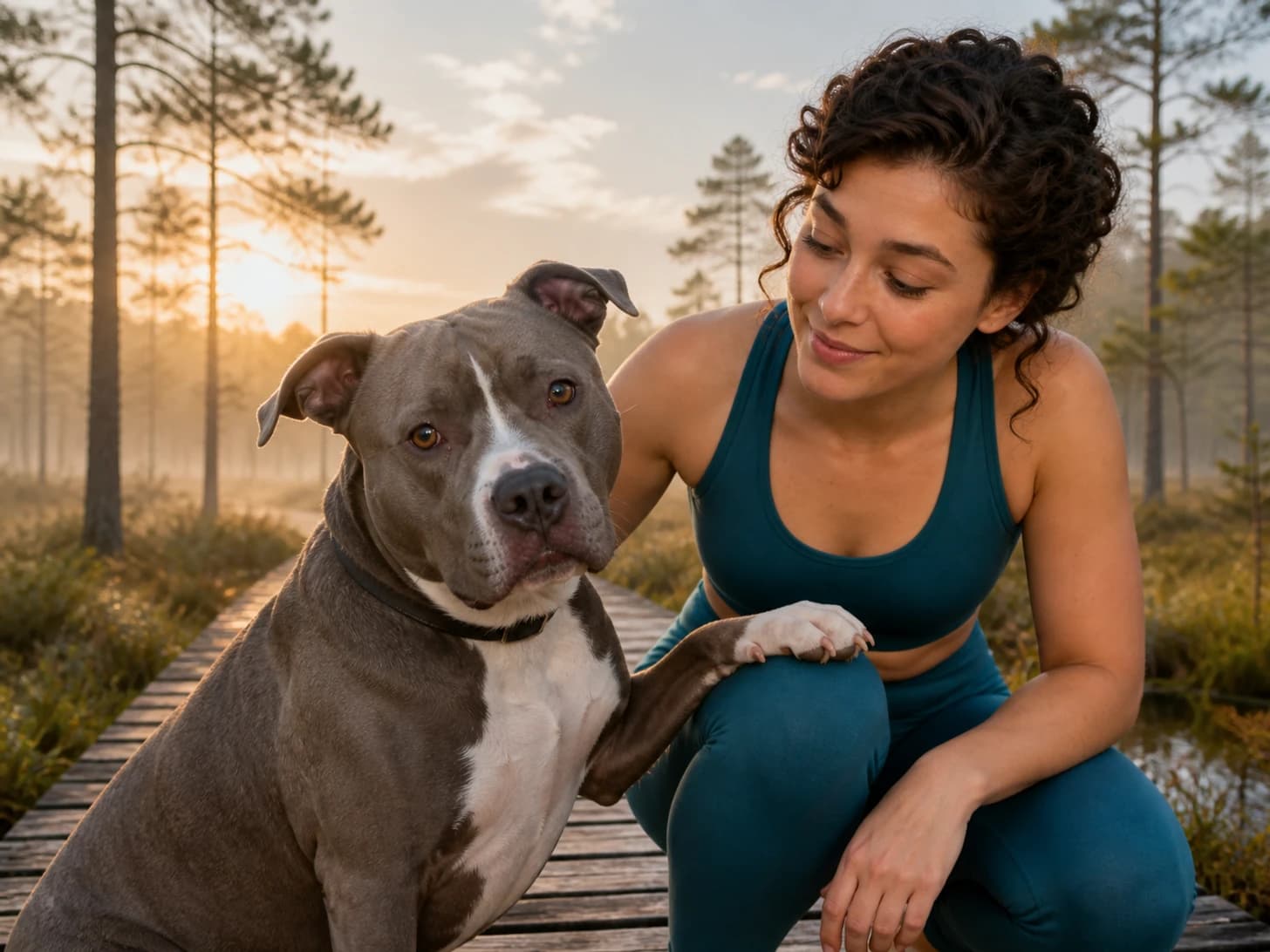
Living with a american pit bull terrier
Grooming is a weekly rub over. The short coat gives little protection from cold or strong sun, and pale dogs sunburn.
Check the legal position where you live before anything else — ownership is restricted or prohibited in a number of countries and requires exemption in others.
Socialisation and training are the core commitment, particularly around other dogs. This is a strong, athletic breed that thrives on structure and needs a real outlet.
Hip dysplasia, hypothyroidism, cerebellar ataxia and demodectic mange all occur. Skin allergies are common. Otherwise the breed is robust and long-lived for its size.
General guidance, not veterinary advice. Individual dogs vary, and anything about a specific animal is a question for a vet who has seen it.
Worth reading alongside this
More dogs by breed
Every dog breed somebody has posted a photo of.
- Labrador retriever18
- Afghan hound3
- Airedale terrier3
- Akita3
- Alaskan Klee Kai3
- Alaskan malamute3
- American bulldog3
- American eskimo dog3
- American hairless terrier3
- Aussiedoodle3
- Australian cattle dog3
- Australian shepherd3
- Basenji3
- Basset hound3
- Beagle3
- Belgian Malinois3
- Bergamasco sheepdog3
- Bernedoodle3
- Bernese mountain dog3
- Bichon frise3
- Biewer terrier3
- Black and tan coonhound3
- Bloodhound3
- Border collie3