The four weeks before the fish go in
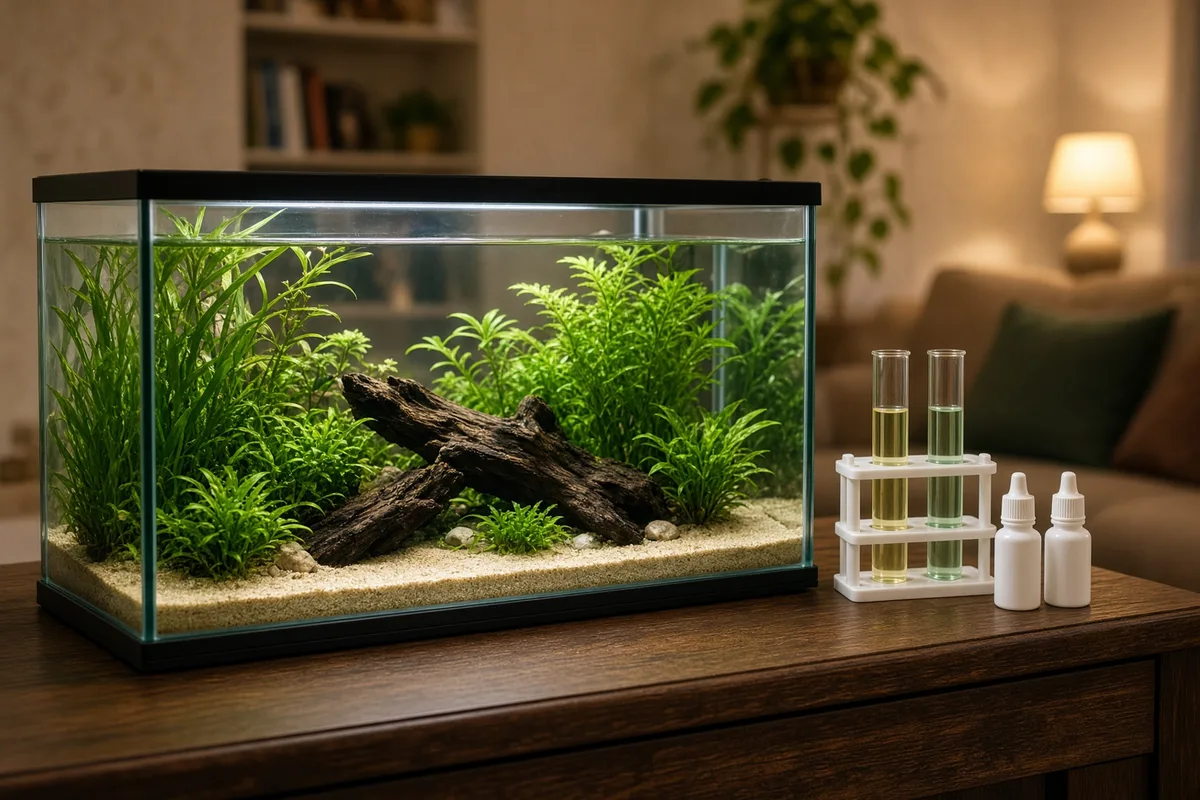
Most new fish die of ammonia in a tank that was never cycled. What the nitrogen cycle is, how to run it with no fish in the water, and how to know it worked.
55 photos across 8 breeds
🐠 Fishkeeping is the one branch of pet keeping where the animal is largely a consequence of the water. Get the chemistry and the filtration right and most problems never appear; get them wrong and no amount of care afterwards compensates.
The divide that matters is between freshwater and marine. A freshwater community tank is genuinely approachable for a beginner. A reef tank is a different hobby — more equipment, more testing, more cost, and far less tolerance of mistakes.
🔢 The other thing to settle early is how many, not just which. Most of the fish sold as beginner community fish are shoaling species — tetras, rasboras, danios, corydoras — and they are sold singly at a pound or two each, which quietly invites buying two. A shoaling fish kept in twos spends its life stressed, hides, colours down and is bullied or bullies. Six of one species is a better tank than one each of six.
📐 Adult size is where most beginner tanks go wrong, because almost everything in a shop is a juvenile. A common pleco sold at five centimetres reaches forty-five, which is why the bristlenose pleco is the one to buy instead. A goldfish is a pond animal that lives fifteen to thirty years and reaches the size of a forearm. A bala shark is a thirty-centimetre schooling fish sold as a three-centimetre one.
🧪 Nothing about a tank is visible until it is wrong, which is why the test kit is not optional equipment. Ammonia, nitrite, nitrate and pH tell you what is happening a week before the fish do, and a fish that is already gasping at the surface is a fish reporting a problem that started some time ago.
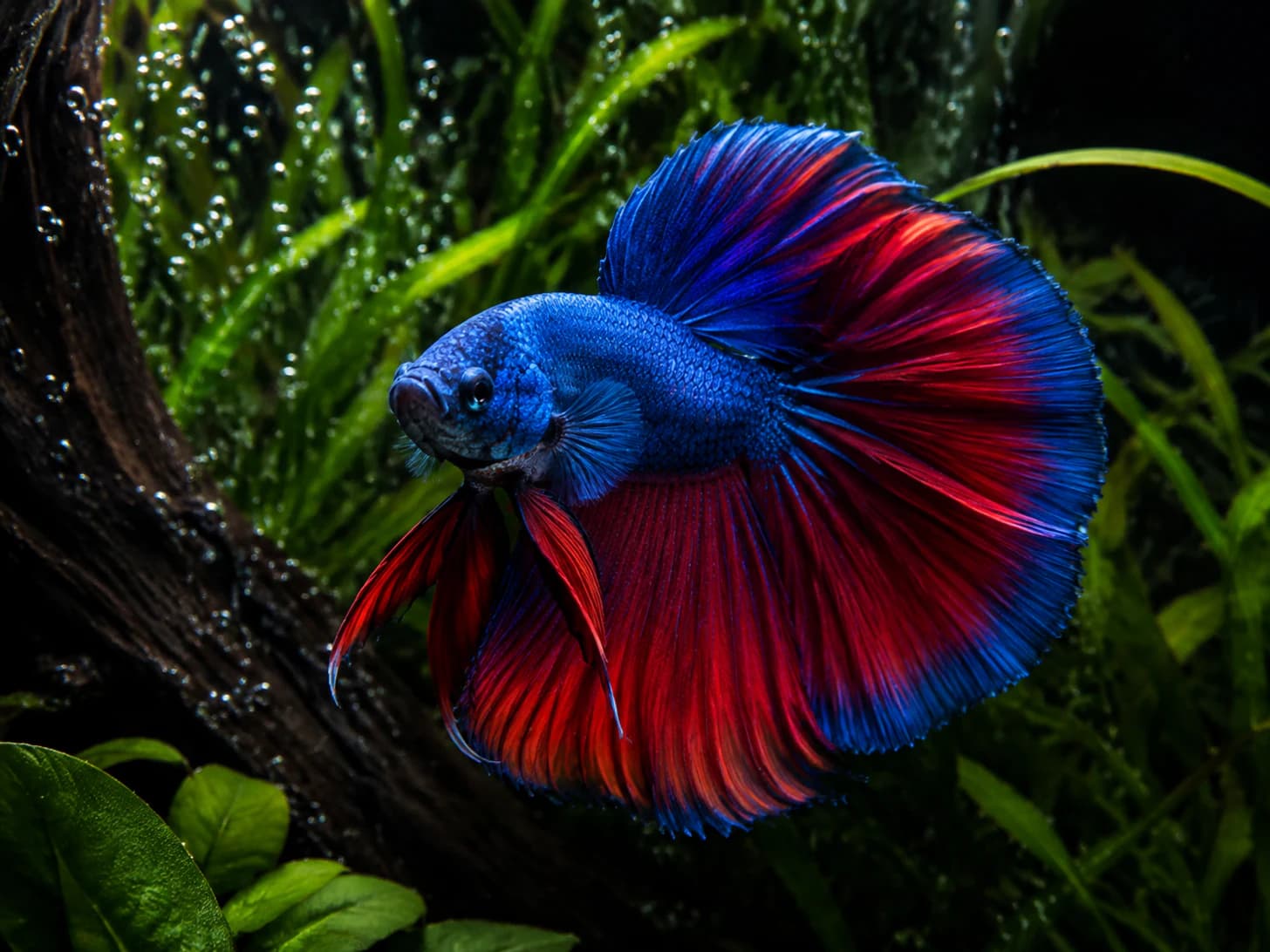
Sapphire spends the day arranging those fins and the evening admiring them.
FrostyOtter · 6 days ago
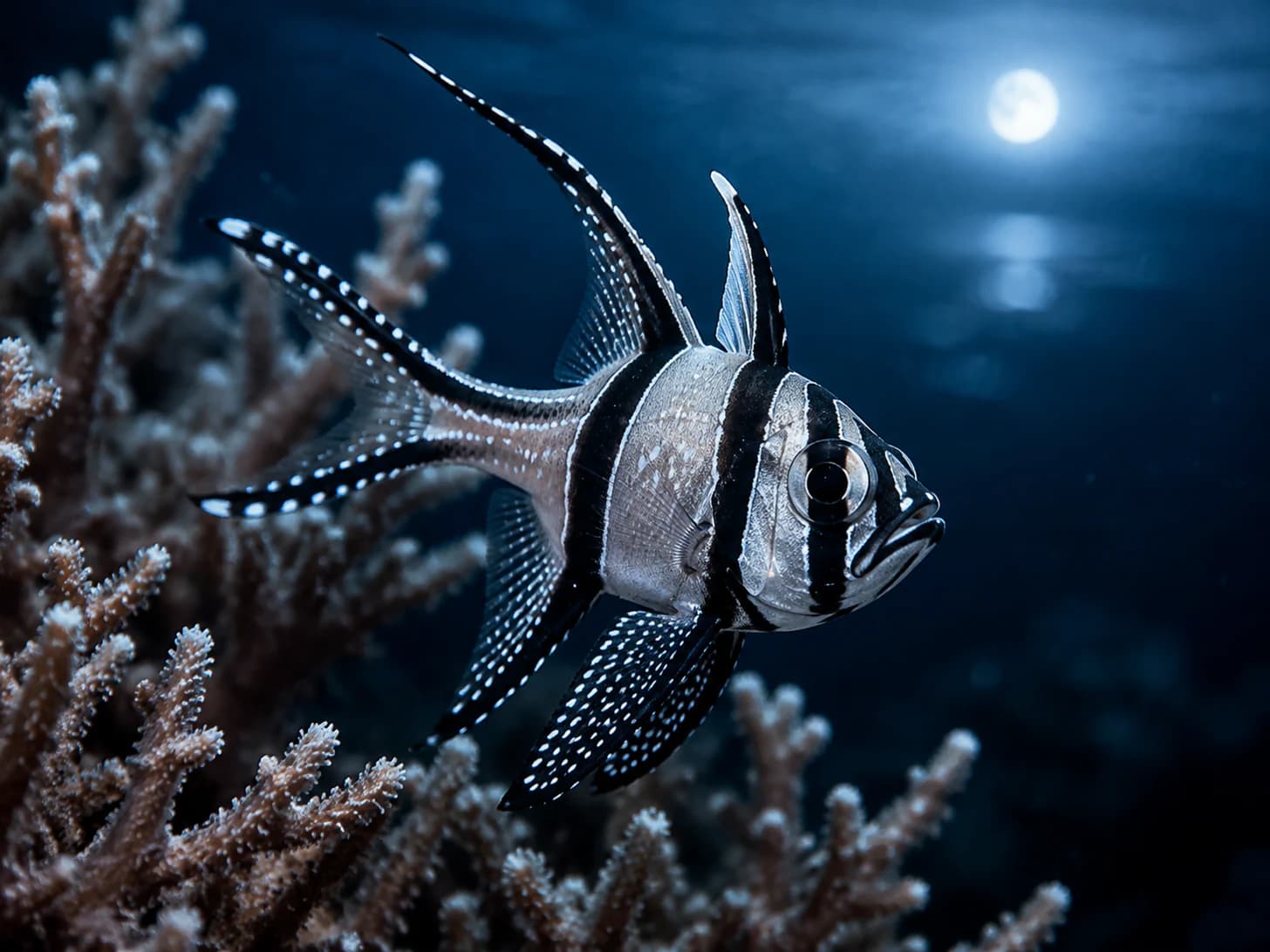
Pearl only comes out from the coral once the light has gone properly blue.
FrostyOtter · 6 days ago
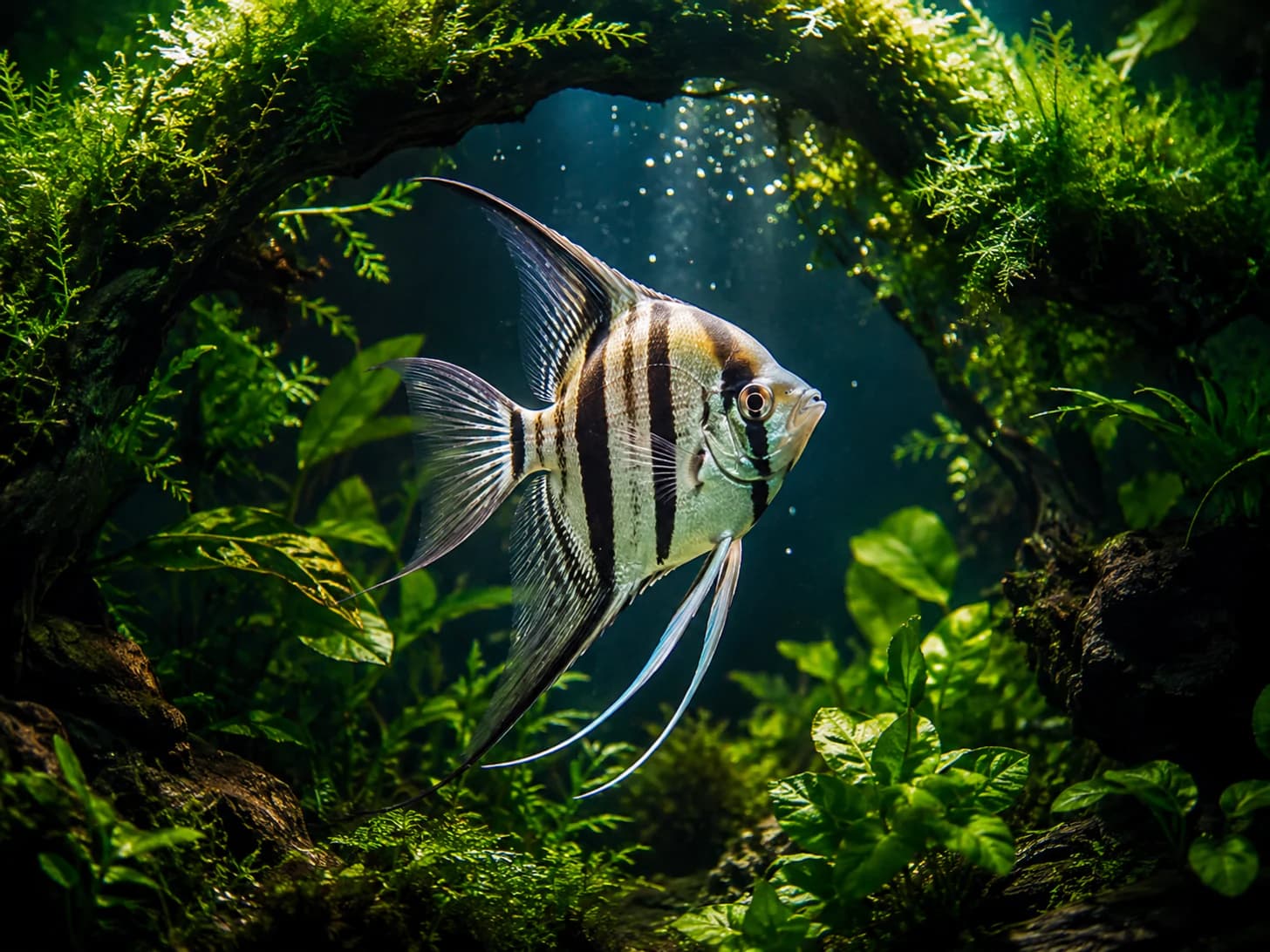
Bishop patrols the planted end of the tank and regards the whole thing as his.
FrostyOtter · 6 days ago
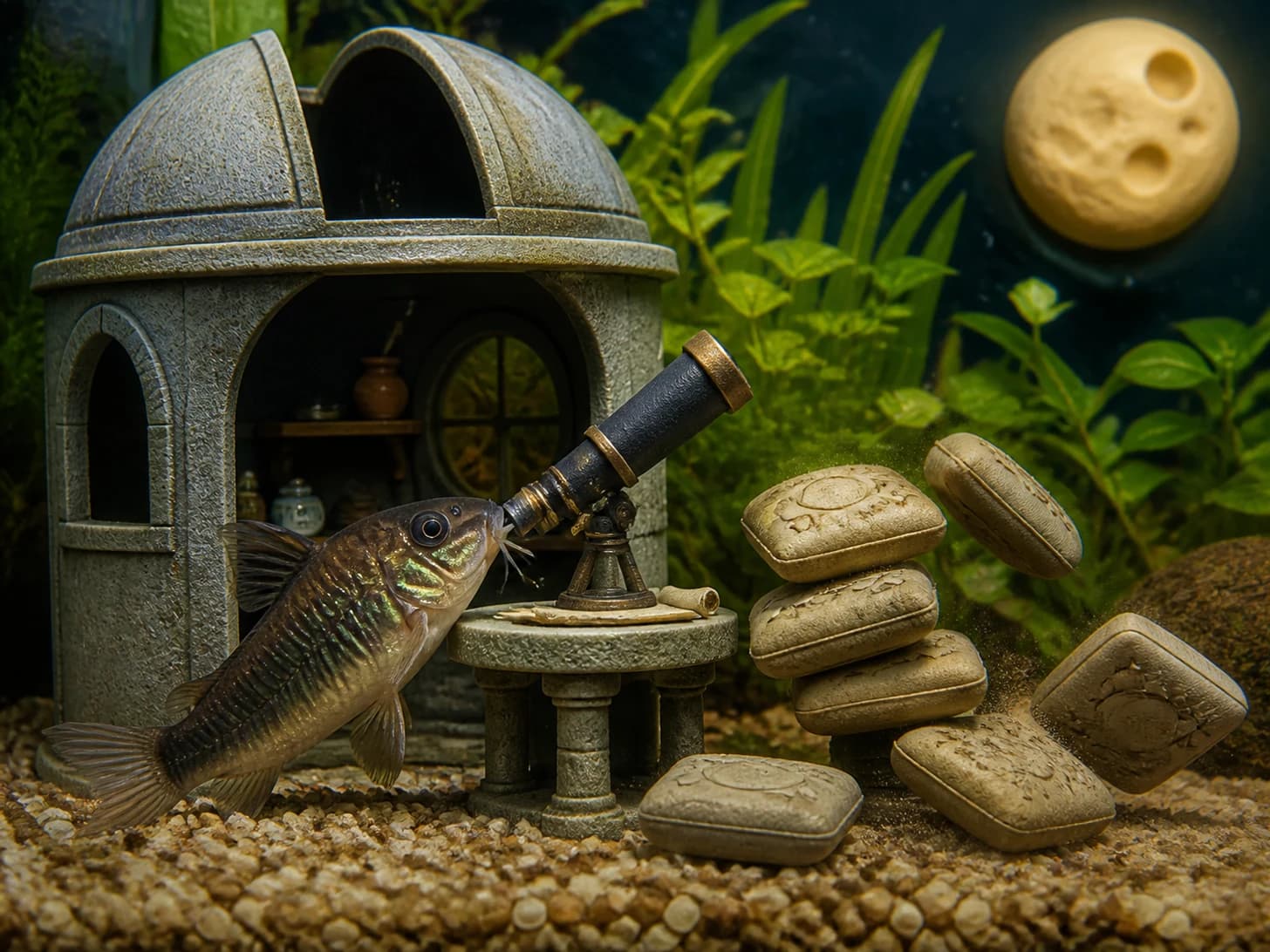
Olive 12 has the telescope on the moon and can confirm the holes. The stack of biscuits is coming down shortly.
FrostyOtter · 1 week ago
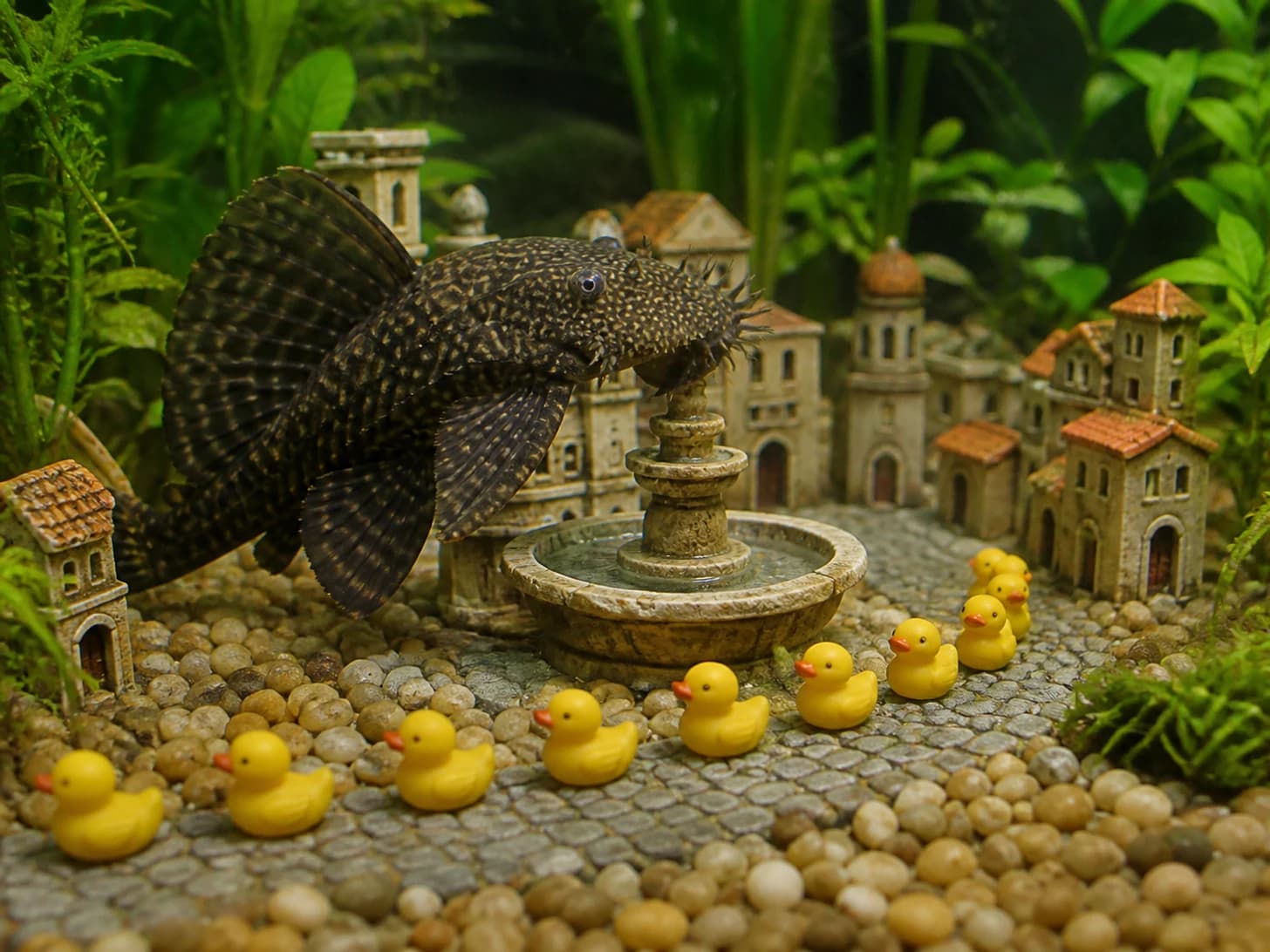
Dandelion X opened the fountain in the square, and the ducks have formed a queue going the wrong way down it.
FrostyOtter · 1 week ago
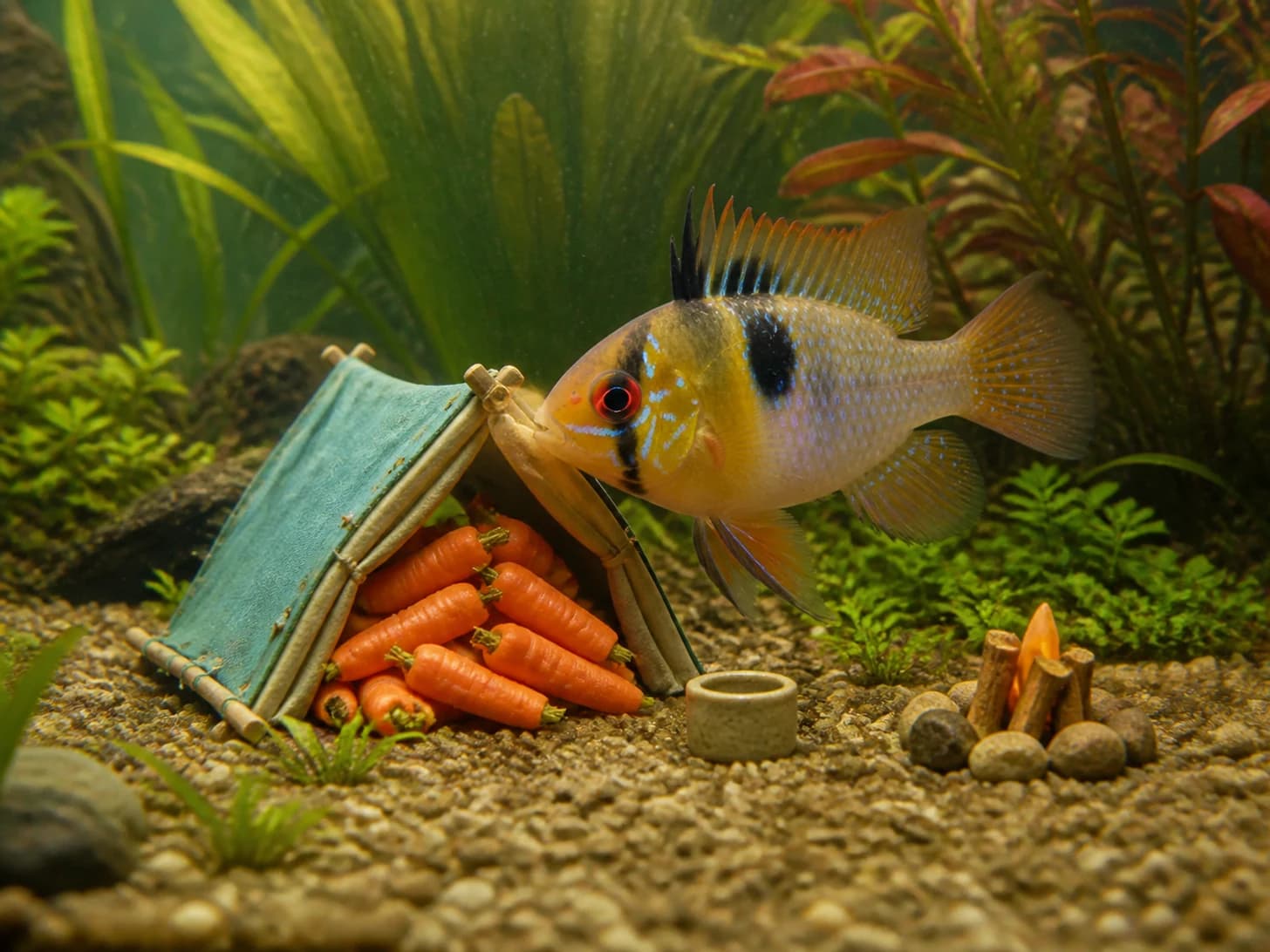
Cinnamon VIII pitched the tent and then filled it entirely with carrots, so there is nowhere left to sleep.
FrostyOtter · 1 week ago
General guidance, not veterinary advice. Anything about a specific animal is a question for a vet who has seen it.
A place to start rather than the whole list. Every name is a page.
The fish most often kept badly. One male per tank, non-negotiable, but it still wants a heated, filtered, planted tank of reasonable size — not the unheated cup it is sold in.
Cold-water, long-lived — fifteen to thirty years, over forty recorded — and far bigger than people expect. Two single-tails want about three hundred litres, or a pond.
A small armoured catfish that works the bottom of the tank and is much happier in a group of six or more. Needs soft sand rather than sharp gravel, which damages the barbels.
A cichlid, which is the part that catches people out: it pairs up, becomes territorial, and will eat neon tetras sold alongside it. Two random adults forced together often ends badly.
A pond fish, not an aquarium fish, and one that reaches the length of an arm and lives for decades. Filtration and volume are the whole game.
The sensible alternative to the common pleco sold beside it: it stays around twelve centimetres instead of reaching forty-five, and it still wants driftwood to rasp at.
The subjects that come up on breed page after breed page, written out properly.
Most new fish die of ammonia in a tank that was never cycled. What the nitrogen cycle is, how to run it with no fish in the water, and how to know it worked.

Light, height, focus and patience — what separates a good pet photo from a blurred one, and how to handle black cats, white dogs and animals that never sit still.
Every breed somebody has posted, A to Z.