Arowana
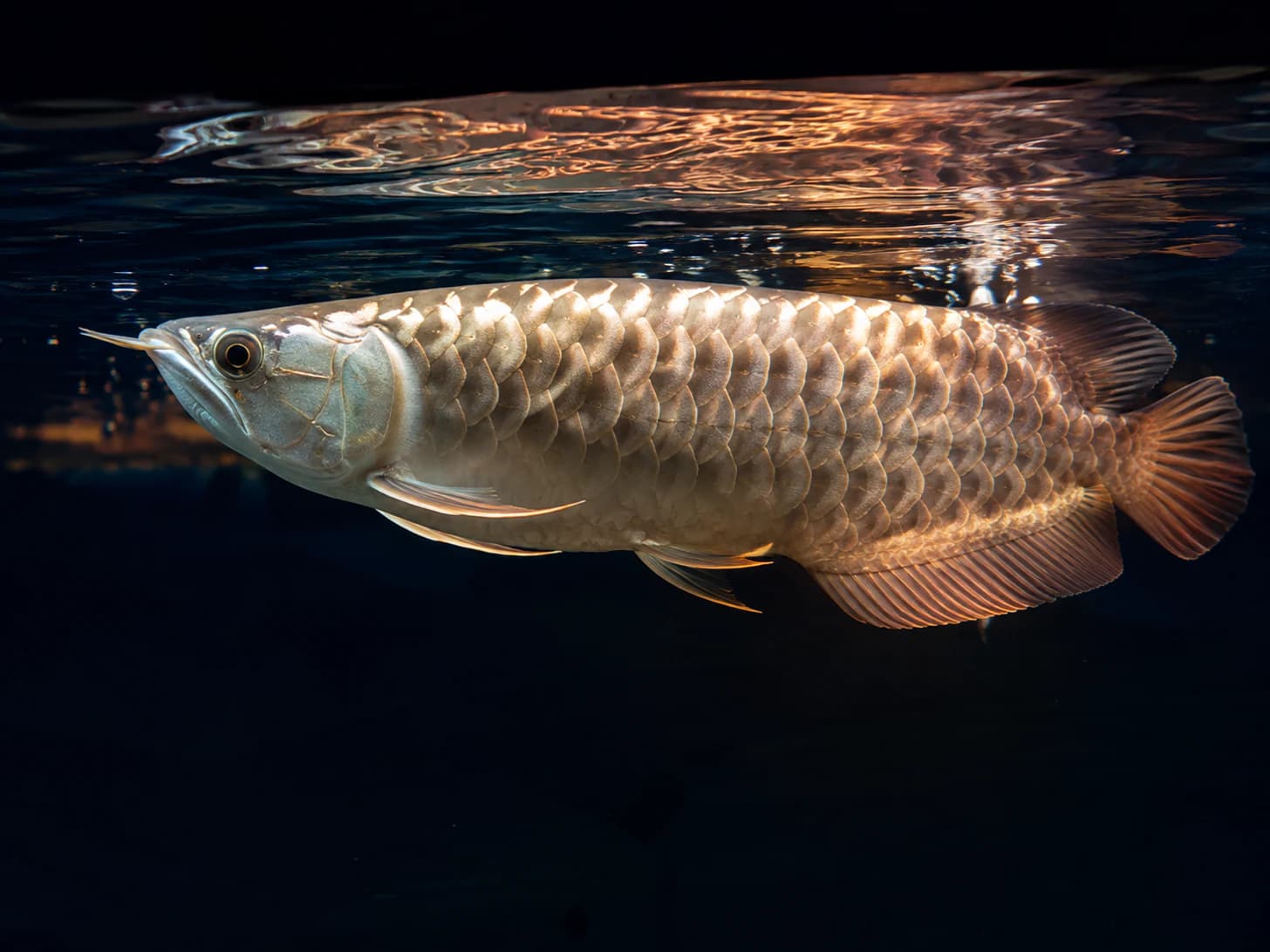
Arowanas are large, elongated surface-hunting fish with upturned mouths and two barbels on the chin, found across South America, Asia and Australia.
The silver arowana from the Amazon is the one most commonly kept; the Asian arowana is a CITES Appendix I species, protected, and illegal to import into the United States.
A silver arowana reaches 60 to 120 centimetres and lives twenty years or more. It hunts at the surface and leaps to take insects and birds from overhanging branches — in the wild it clears well over a metre out of the water, which is the origin of its Amazonian name, the water monkey. That behaviour is the central problem in keeping one.
- Origin
- Amazon basin (silver); Asia and Australia for other species
- Adult size
- 60–120 cm for the silver arowana
- Lifespan
- 20+ years
- Minimum tank
- 1,000+ litres, and wide rather than tall
- Legal status
- Asian arowana is CITES I — illegal to import to the US
- Temperature
- 24–30°C
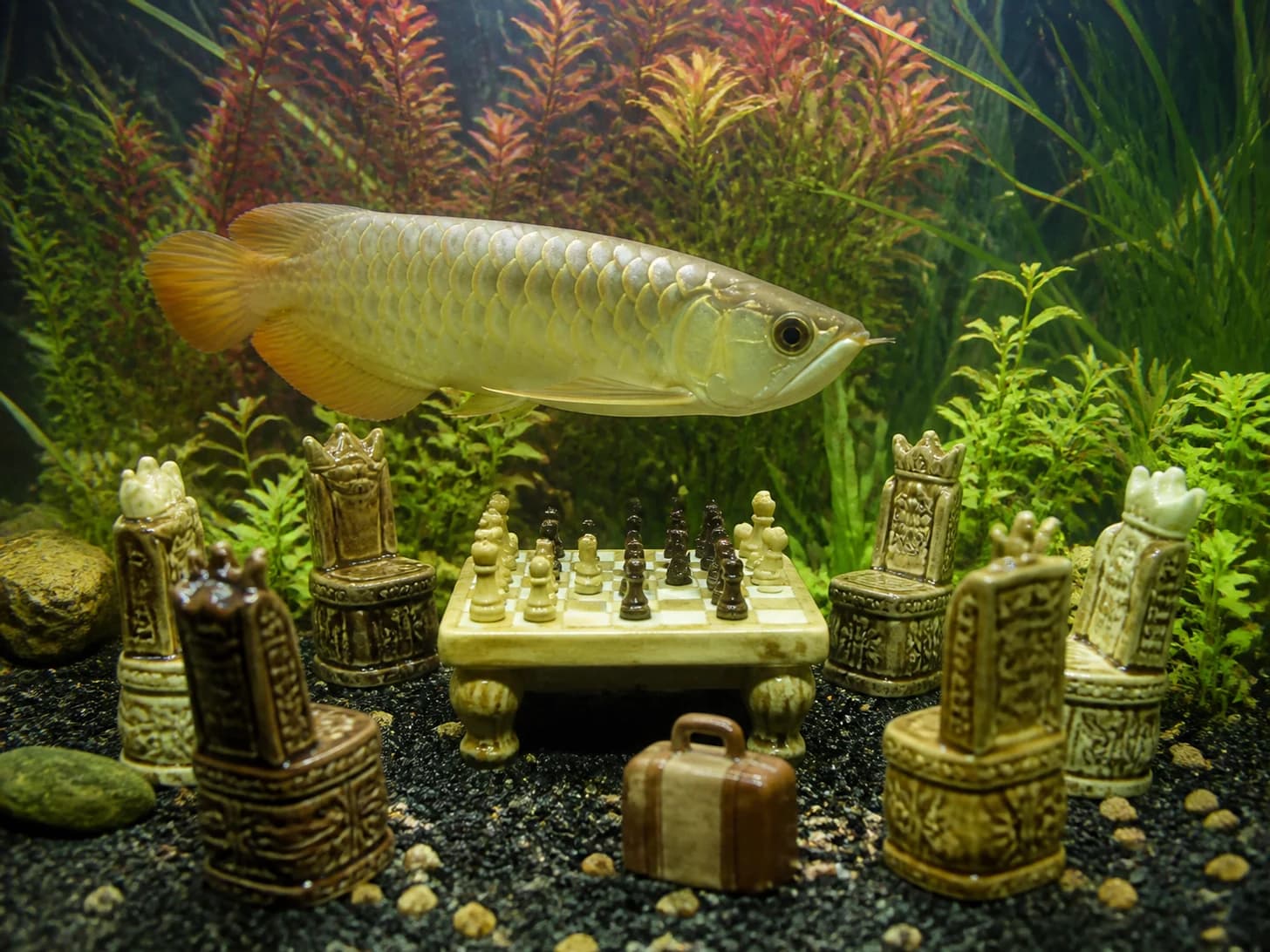
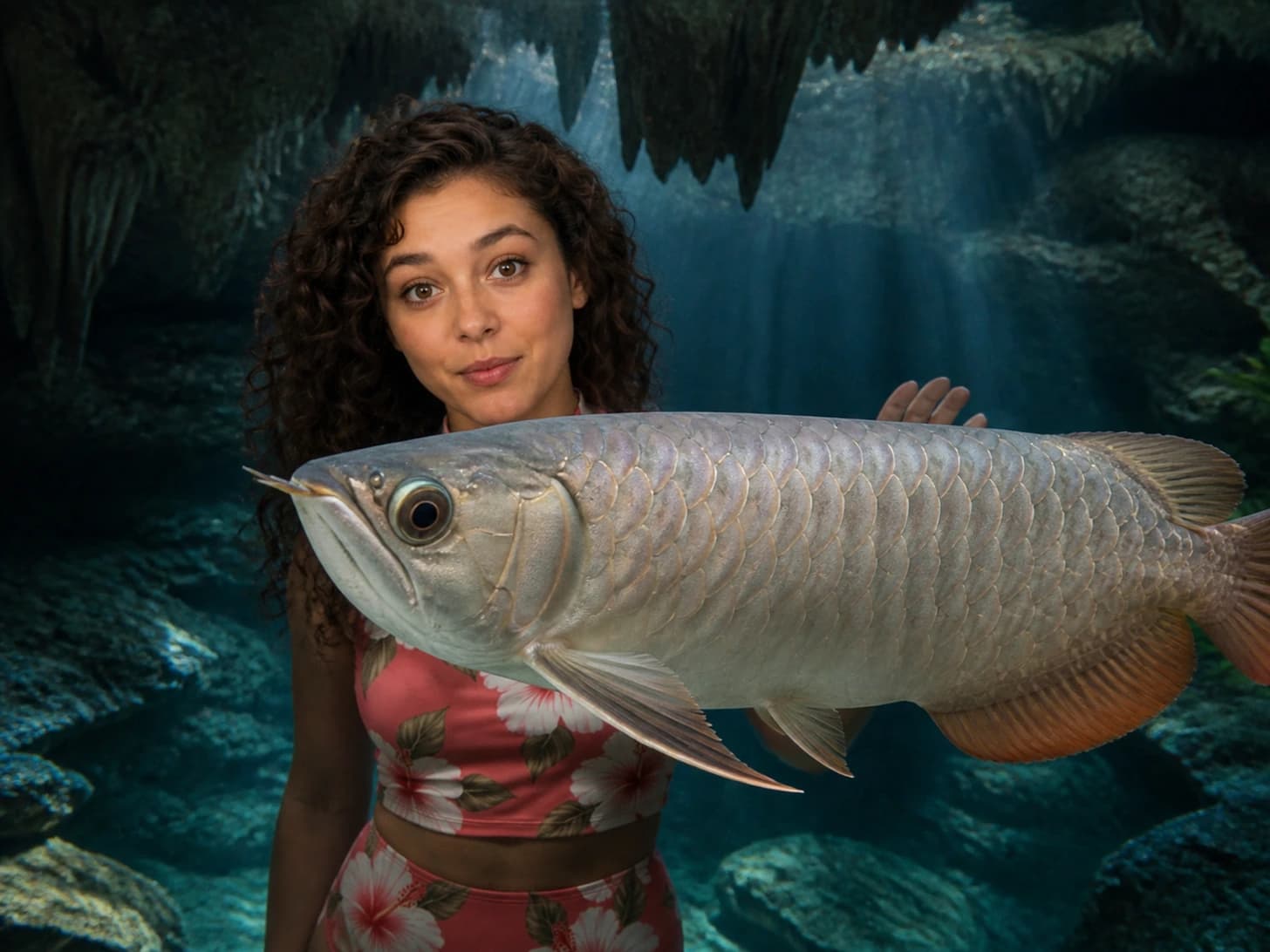
3 arowana photos, newest first
Living with a arowana
The lid must be heavy and it must be locked down. Arowanas jump, they jump hard, and they injure themselves against a lid that gives — a bent or damaged spine from repeated impacts is a known problem in captive arowanas.
Size the tank for an adult of a metre or more, with width to turn in. Tank length and width matter far more than depth for a surface fish.
They are prone to drop eye, in which one or both eyes turn permanently downward. It is widely associated with looking down at food and at activity below the tank, and is largely preventable by feeding at the surface and keeping the tank high enough that the fish is not always looking down.
Feed varied meaty food; a diet of nothing but feeder fish causes deficiencies and imports disease.
This is an expensive, long-lived, very large animal. Plan the whole twenty years before buying one.
General guidance, not veterinary advice. Individual fishs vary, and anything about a specific animal is a question for a vet who has seen it.
Worth reading alongside this
More fish by breed
Every fish breed somebody has posted a photo of.