Koi
Koi are ornamental carp, Cyprinus rubrofuscus, developed by rice farmers in the Niigata region of Japan from the 1820s, who noticed colour mutations in the carp they kept in their paddy-field ponds for food and began breeding for them.
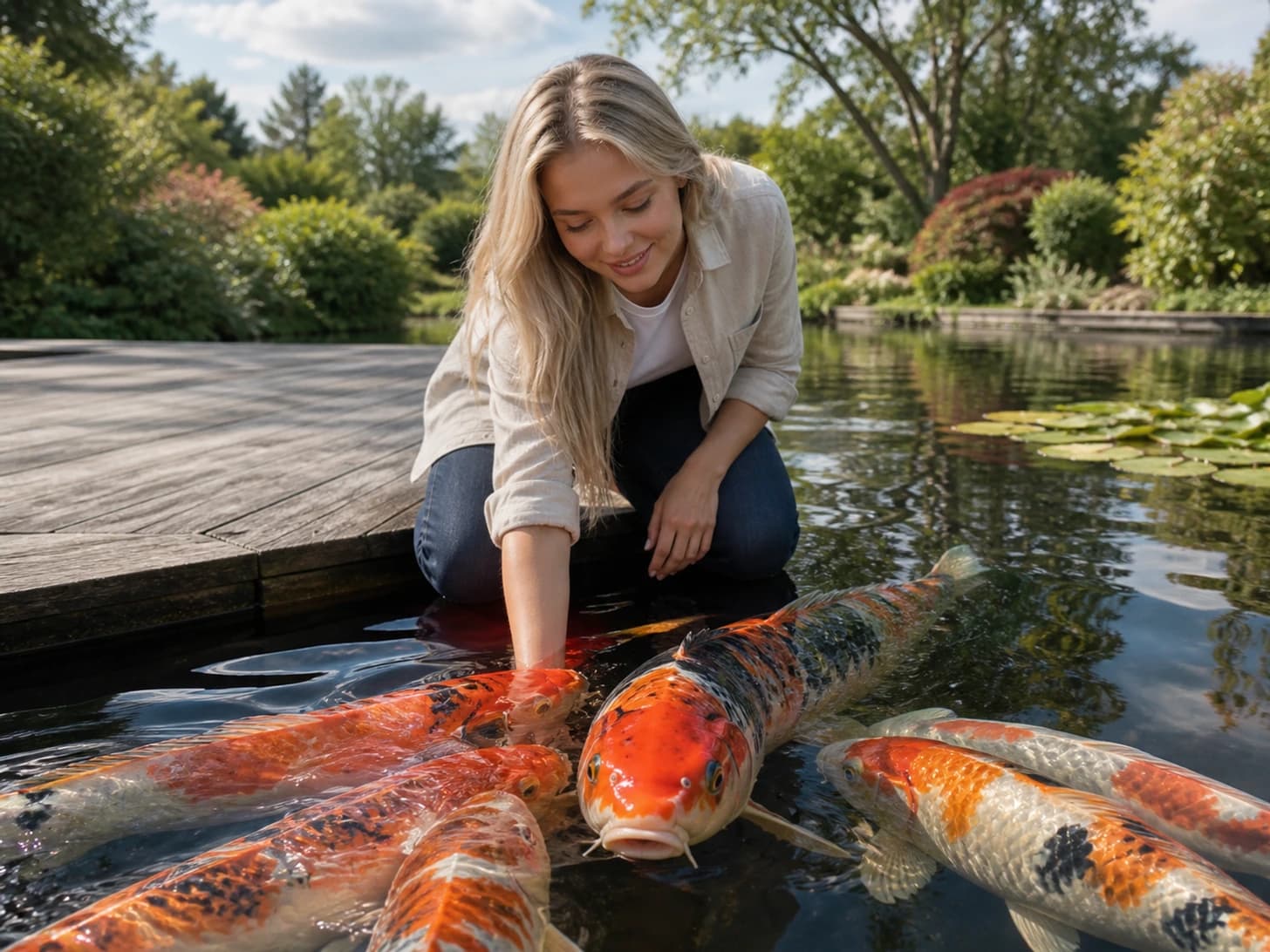
A good koi reaches 60 to 90 centimetres and lives twenty-five to thirty-five years; some Japanese lines are recorded living far longer. They are pond fish, not aquarium fish, and the pond is the entire commitment: a serious koi pond is measured in thousands of litres, needs heavy filtration and, in cold climates, has to be deep enough not to freeze through. They are also famously personable and will learn to feed from a hand.
- Origin
- Niigata, Japan, from the 1820s
- Adult size
- 60–90 cm
- Lifespan
- 25–35 years; some far longer
- Minimum pond
- 4,000+ litres, at least 1.2 m deep
- Temperature
- 15–25°C; they overwinter under ice if deep enough
- Diet
- Omnivore; feeding stops below about 10°C
Related: Asagi koi · Bekko koi · Butterfly koi
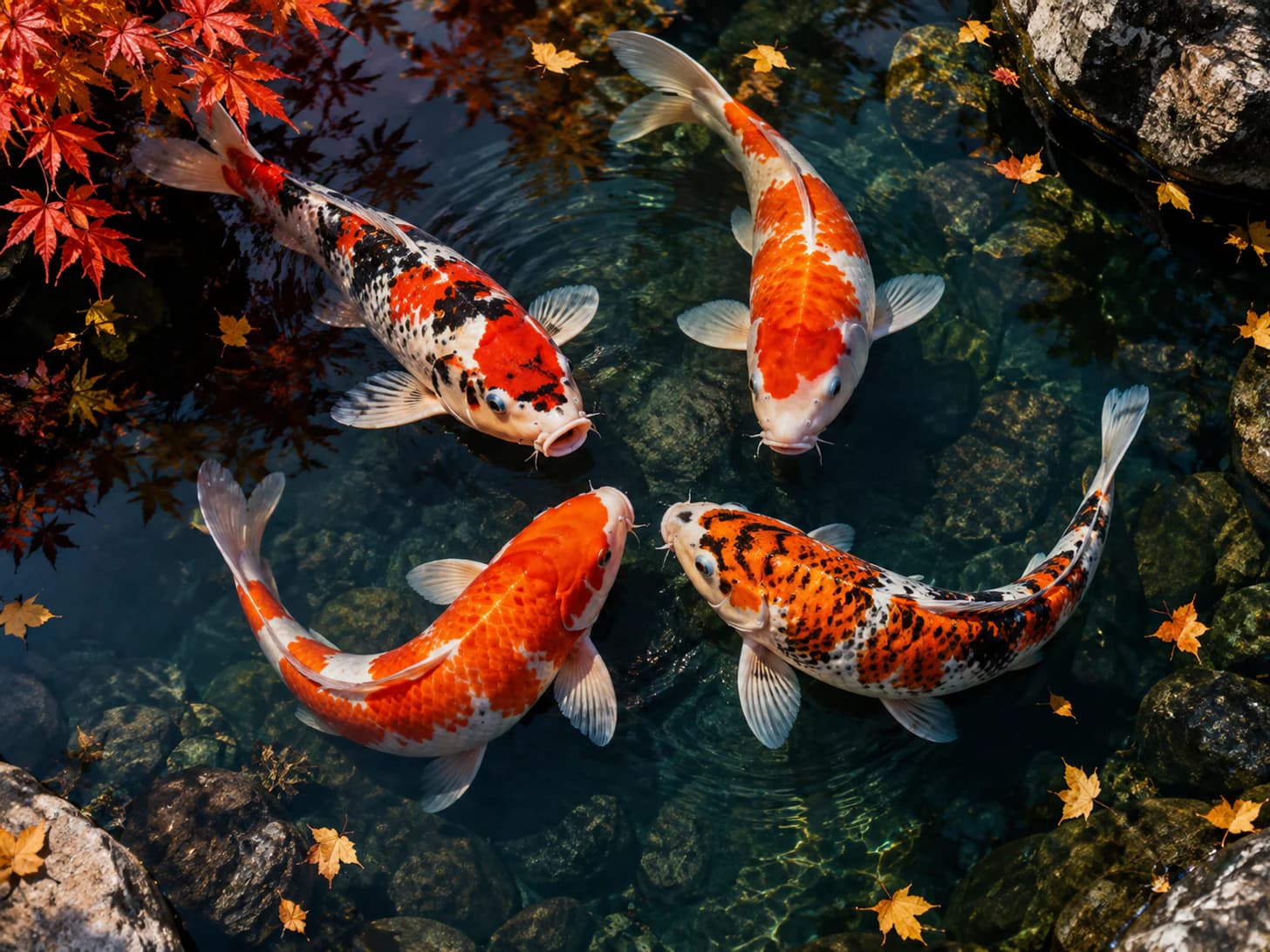
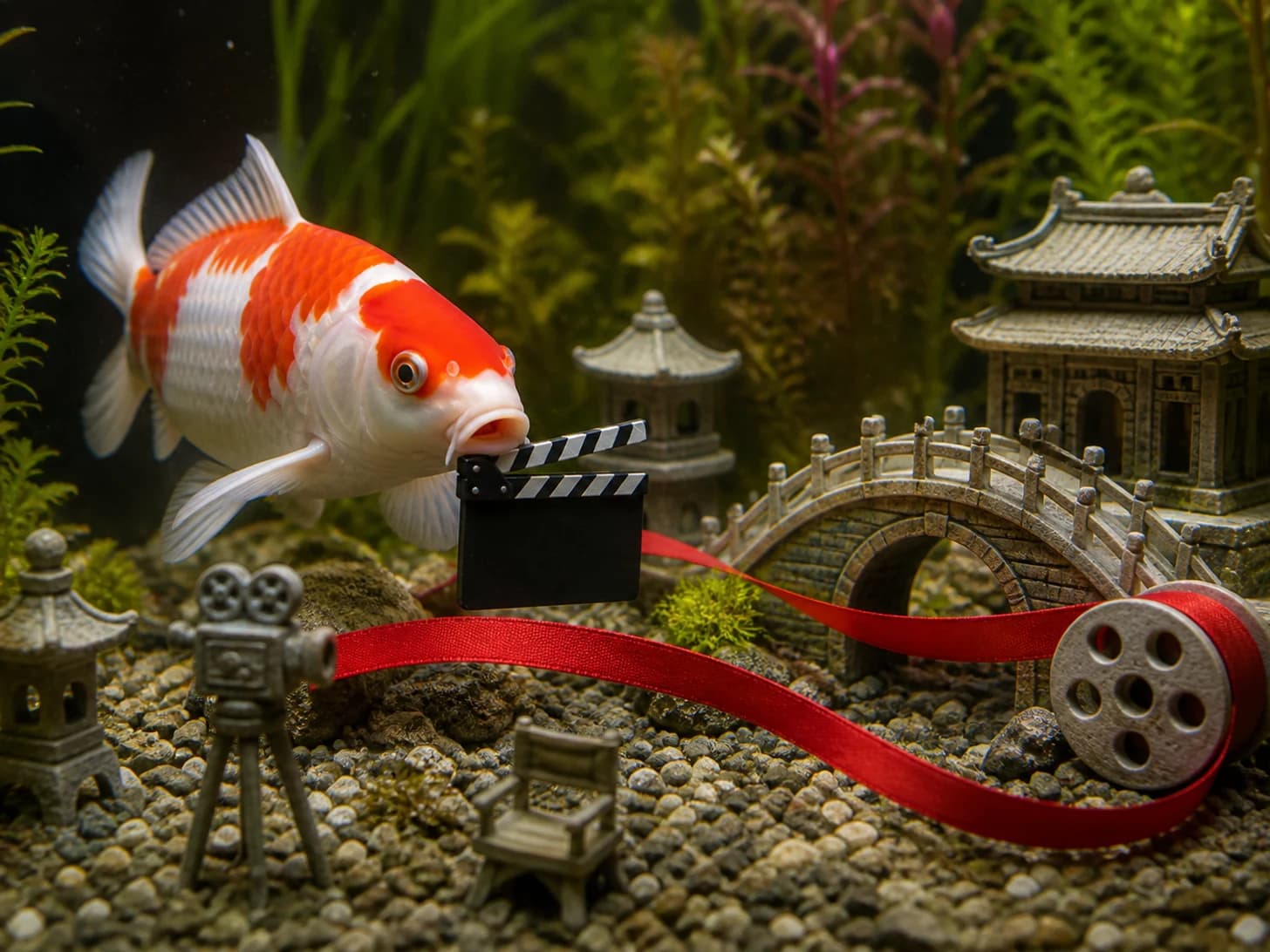
3 koi photos, newest first
Living with a koi
Build the pond first and buy the fish second. Four thousand litres is a working minimum for a few koi and more is better; depth matters as much as volume, because a shallow pond swings in temperature and can freeze to the bottom.
Filtration has to be sized for the waste of large fish. Most koi problems are water quality problems, and a pond that looks clear can still be poisoning its fish.
Stop feeding as the water drops below about 10°C. A koi's digestion effectively stops in the cold, and food fed into a cold pond rots inside the fish.
Net or otherwise protect the pond from herons, which will empty an unprotected pond.
Quarantine every new fish for several weeks. Koi herpesvirus and parasites both arrive on new stock, and an established pond can be lost to one careless addition.
General guidance, not veterinary advice. Individual fishs vary, and anything about a specific animal is a question for a vet who has seen it.
Worth reading alongside this
More fish by breed
Every fish breed somebody has posted a photo of.