Butterflyfish
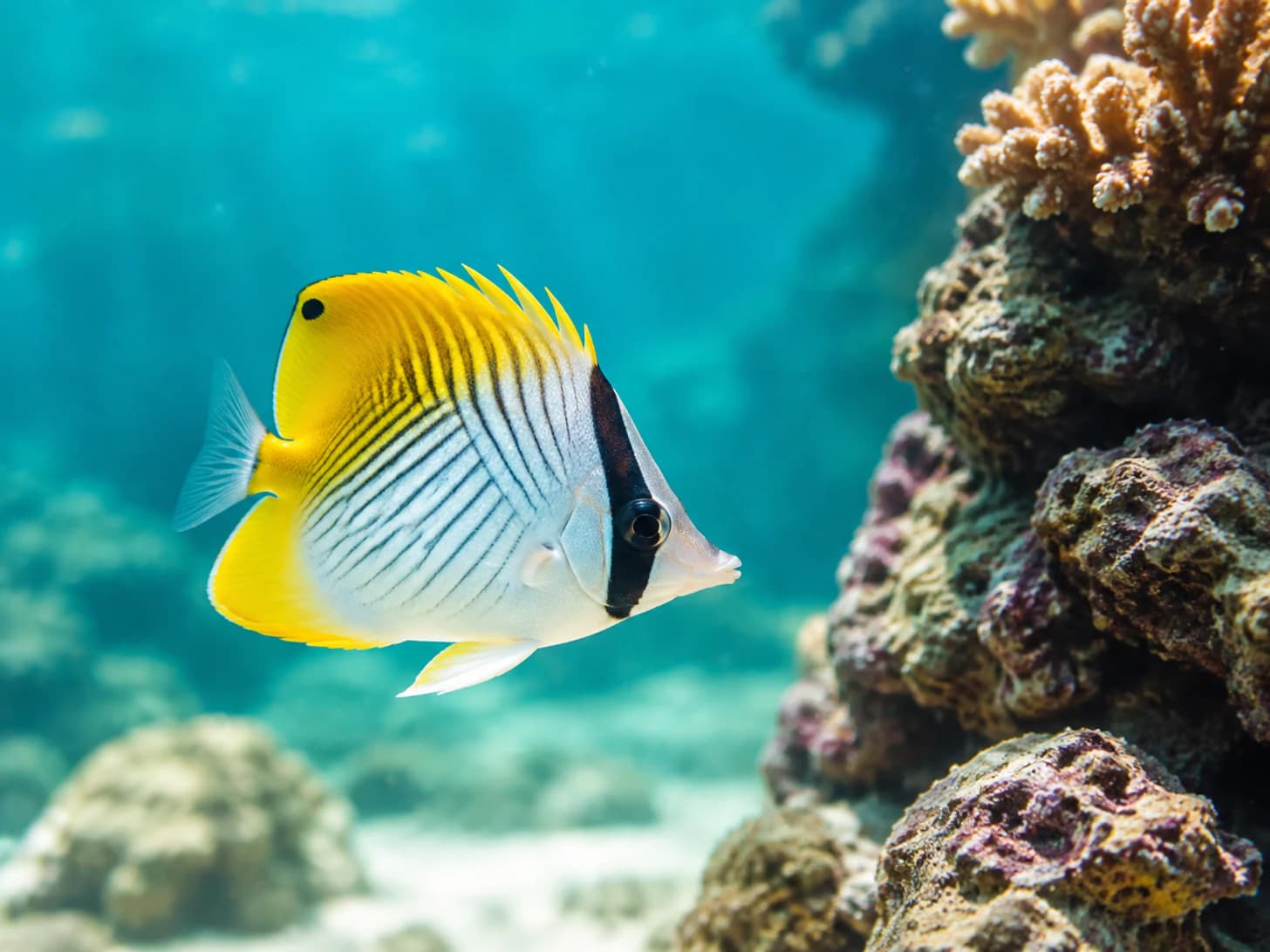
Butterflyfish, family Chaetodontidae, are the disc-shaped, brightly patterned reef fish of the Indo-Pacific, Atlantic and Caribbean, most with a dark eye stripe and a false eyespot near the tail to misdirect predators.
Around 130 species exist and many pair for life.
They reach 12 to 20 centimetres depending on species and live five to ten years. The critical distinction for anyone keeping them is diet: a large number of butterflyfish are obligate corallivores that eat nothing but live coral polyps, and those species starve in an aquarium no matter what is offered. Others are generalist feeders and do well. Buying one without knowing which is which is how most butterflyfish die.
- Origin
- Coral reefs worldwide, mostly Indo-Pacific
- Adult size
- 12–20 cm depending on species
- Lifespan
- 5–10 years
- Minimum tank
- 300+ litres for the hardier species
- Diet
- Species-dependent — many eat only live coral and cannot be fed
- Reef safe
- No — most will pick at corals and invertebrates
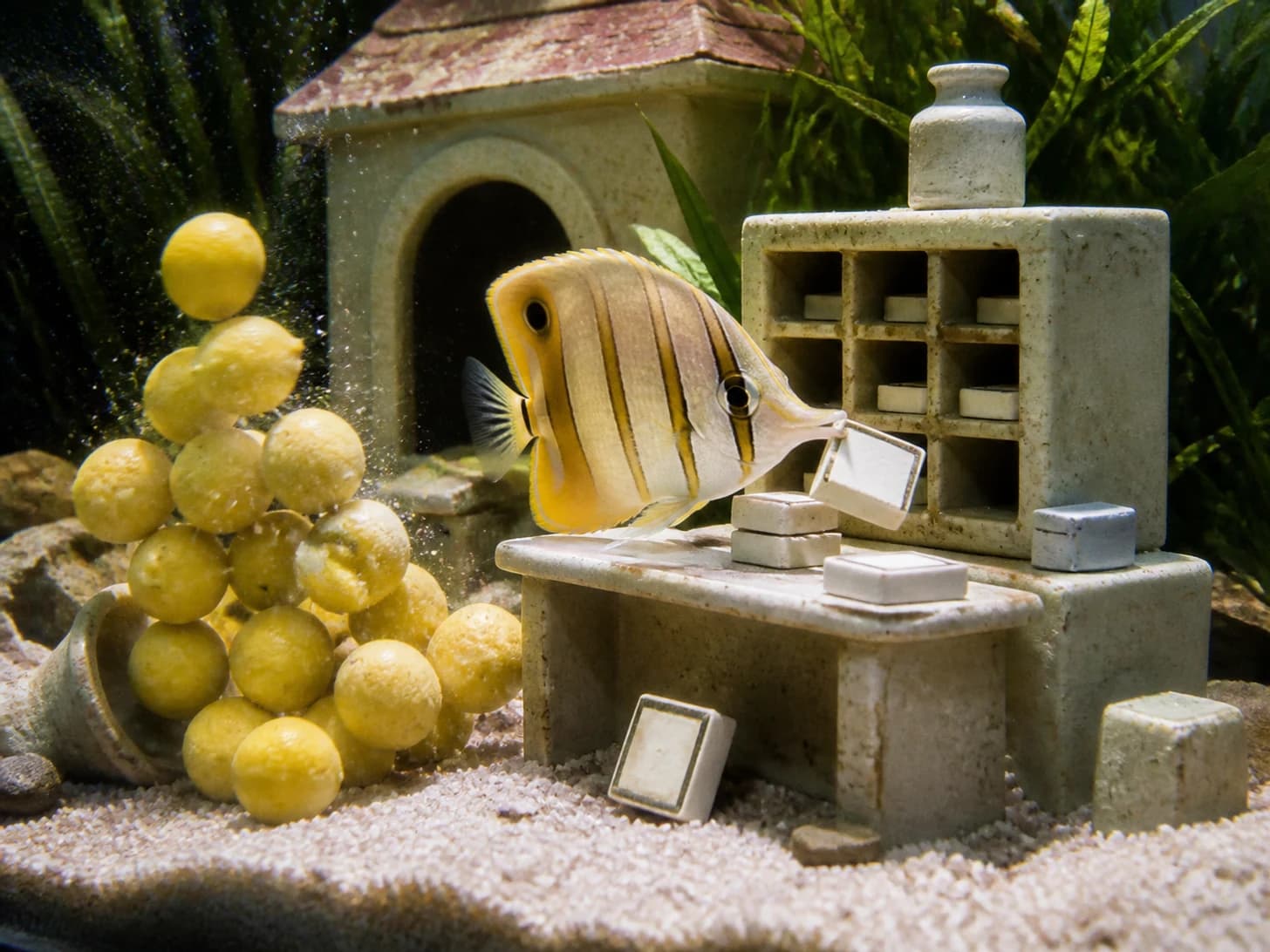
3 butterflyfish photos, newest first

Living with a butterflyfish
Identify the species before buying, not after. The copperband, raccoon and longnose butterflyfish are kept successfully; the ornate, meyer's and many chaetodon species are obligate coral feeders and will die in a tank whatever you offer them. A shop label saying butterflyfish is not enough information.
They are not reef safe. Even the generalist feeders pick at corals, anemones and tube worms, so these are fish for a fish-only system with live rock.
Most are shy on arrival and need a quiet tank with plenty of rockwork to retreat into before they will feed.
Offer varied meaty foods several times a day — mysis, brine, clam, sponge-based preparations.
They are sensitive to water quality and among the first fish to show marine ich. Quarantine every new arrival.
General guidance, not veterinary advice. Individual fishs vary, and anything about a specific animal is a question for a vet who has seen it.
Worth reading alongside this
More fish by breed
Every fish breed somebody has posted a photo of.