Anthias
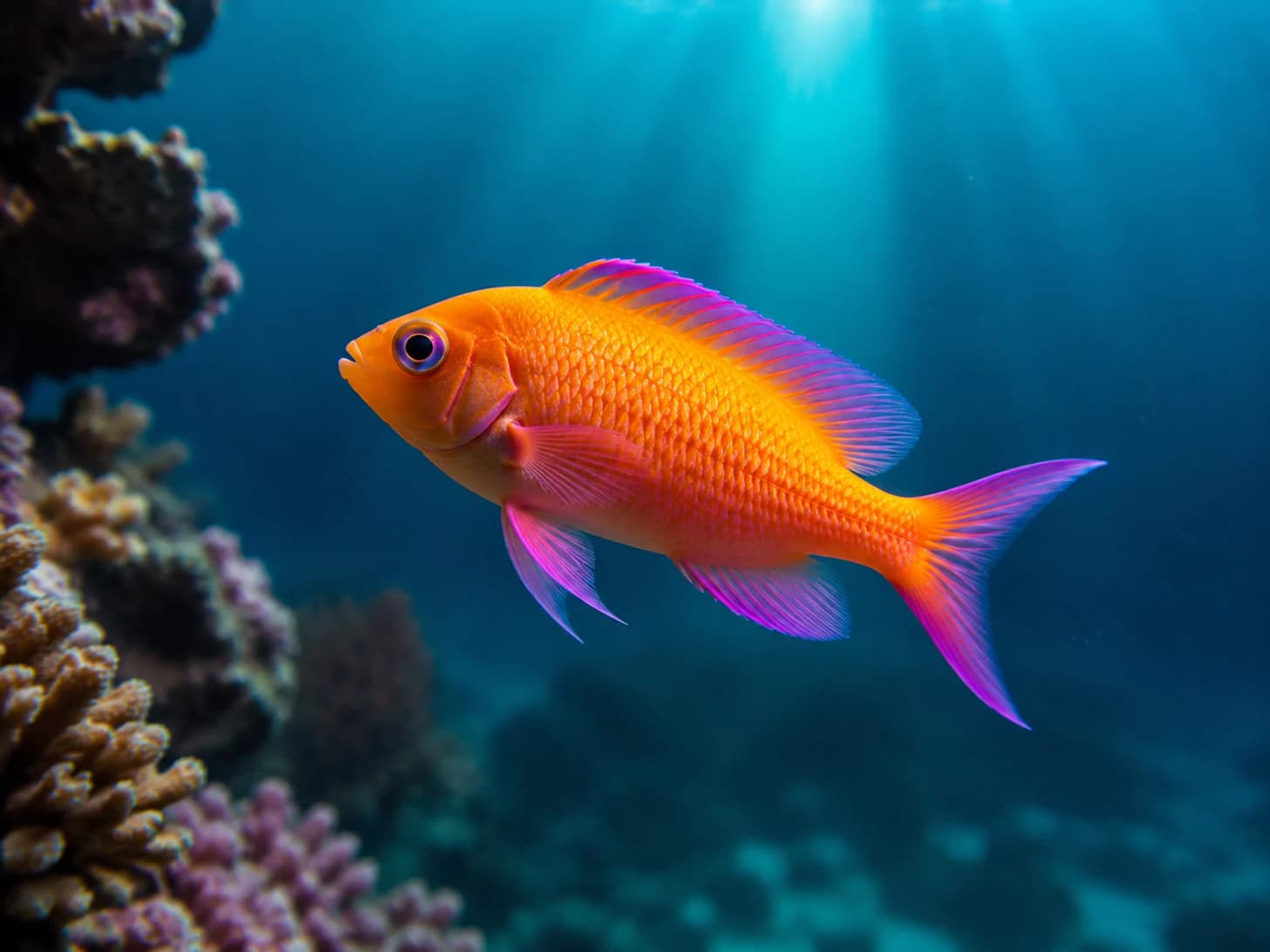
Anthias are small, brilliantly coloured reef basslets of the subfamily Anthiinae, seen in vast shoals hanging above Indo-Pacific reefs.
The species kept most often are the lyretail, square-spot and bartlett's.
They reach eight to thirteen centimetres and live three to five years in captivity. Two facts define them. They are protogynous hermaphrodites — all are born female, and if the dominant male dies the largest female changes sex to replace him, a transition that takes a couple of weeks and is visible. And they feed almost constantly in the wild, picking plankton from the current, which means they need several small feedings a day rather than one.
- Origin
- Indo-Pacific coral reefs
- Adult size
- 8–13 cm depending on species
- Lifespan
- 3–5 years in captivity
- Minimum tank
- 200+ litres for a small harem
- Feeding
- Three or four small feedings a day
- Social
- Harem — one male to several females; all born female
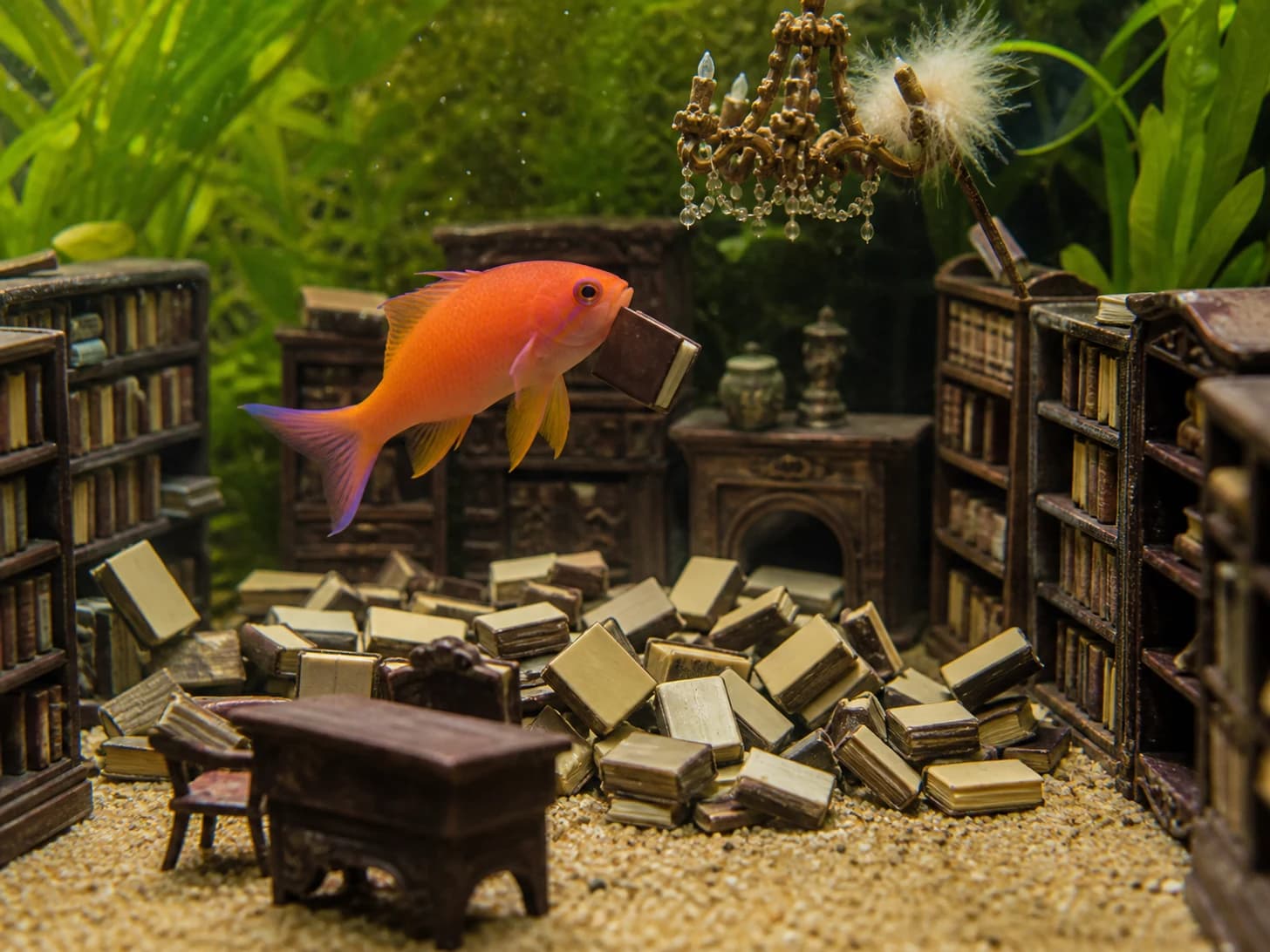
3 anthias photos, newest first
Living with a anthias
Feeding is the reason anthias fail. They graze plankton all day and cannot get enough from one feeding; three or four small meals daily, or an automatic feeder, is what keeps them in condition. A thin anthias with a pinched belly is already in trouble.
Buy a harem — one male and several females — and add them all at once. Adding fish later to an established group causes fighting.
They are jumpers. A covered tank or a mesh screen is essential.
They want strong flow and rockwork to shelter in, mimicking the reef edge where they hang in the current.
Bartlett's and lyretail are the more forgiving species for a first attempt. Some of the deepwater anthias are very difficult and should be left alone.
General guidance, not veterinary advice. Individual fishs vary, and anything about a specific animal is a question for a vet who has seen it.
Worth reading alongside this
More fish by breed
Every fish breed somebody has posted a photo of.