Betta
The betta, Betta splendens, is a small labyrinth fish from the shallow standing water of Thailand, Cambodia and Vietnam — rice paddies, ditches and floodplains.
It has been selectively bred for centuries, originally in Thailand for fighting and latterly for the extravagant finnage sold today.
It reaches six or seven centimetres and lives three to five years. The labyrinth organ lets it breathe air at the surface, which is why bettas survive conditions that would kill other fish — and why the trade sells them in cups and unheated vases. Surviving is not thriving: a betta is a tropical fish that needs heated, filtered, cycled water like any other.
- Origin
- Thailand, Cambodia and Vietnam
- Adult size
- 6–7 cm
- Lifespan
- 3–5 years
- Minimum tank
- 19 litres (5 gallons), heated and filtered
- Temperature
- 26–28°C — tropical, a heater is required
- Temperament
- Males cannot be housed together, ever
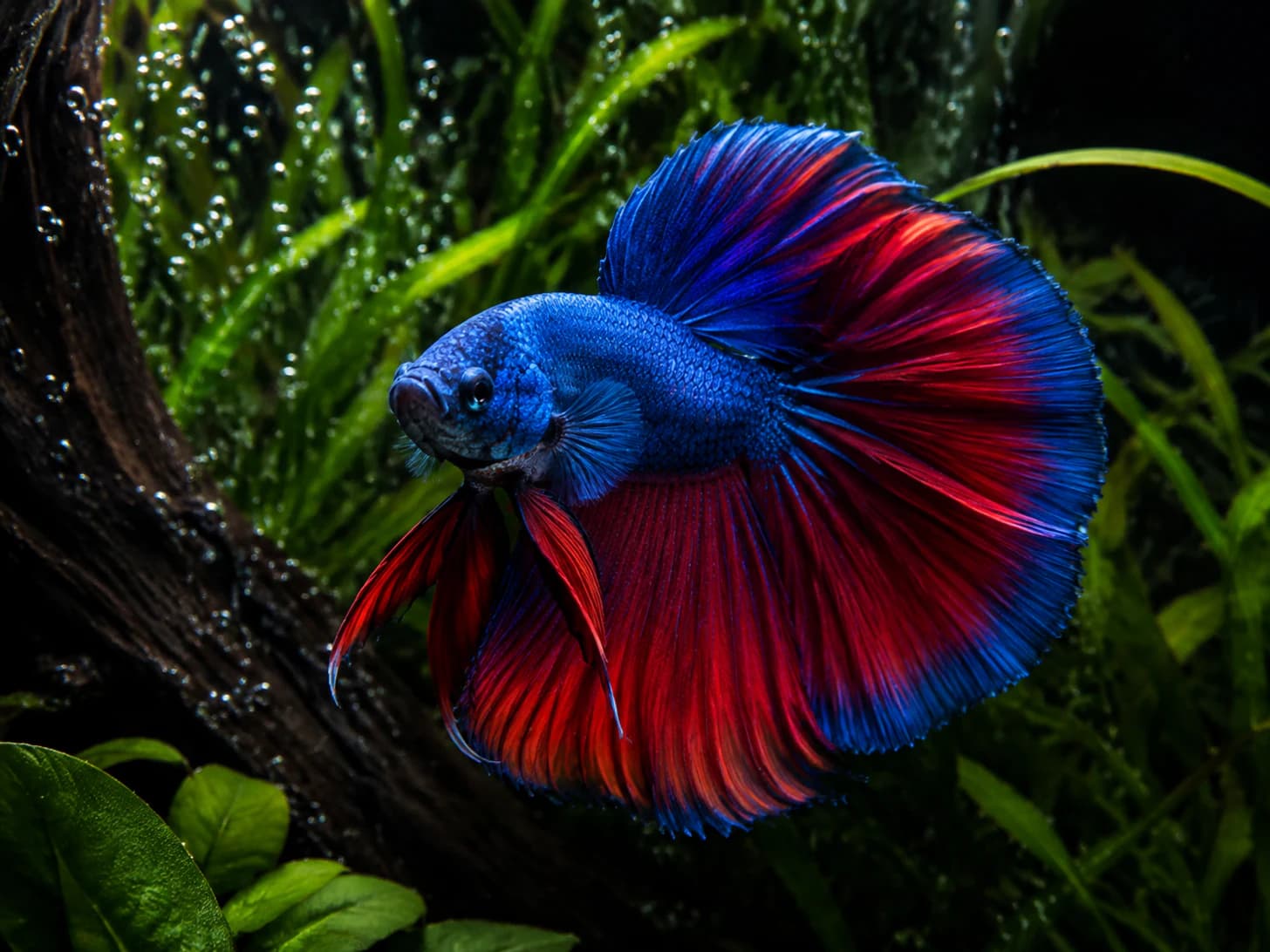
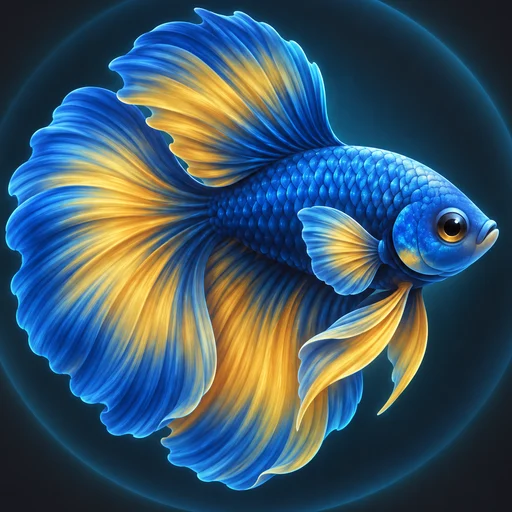
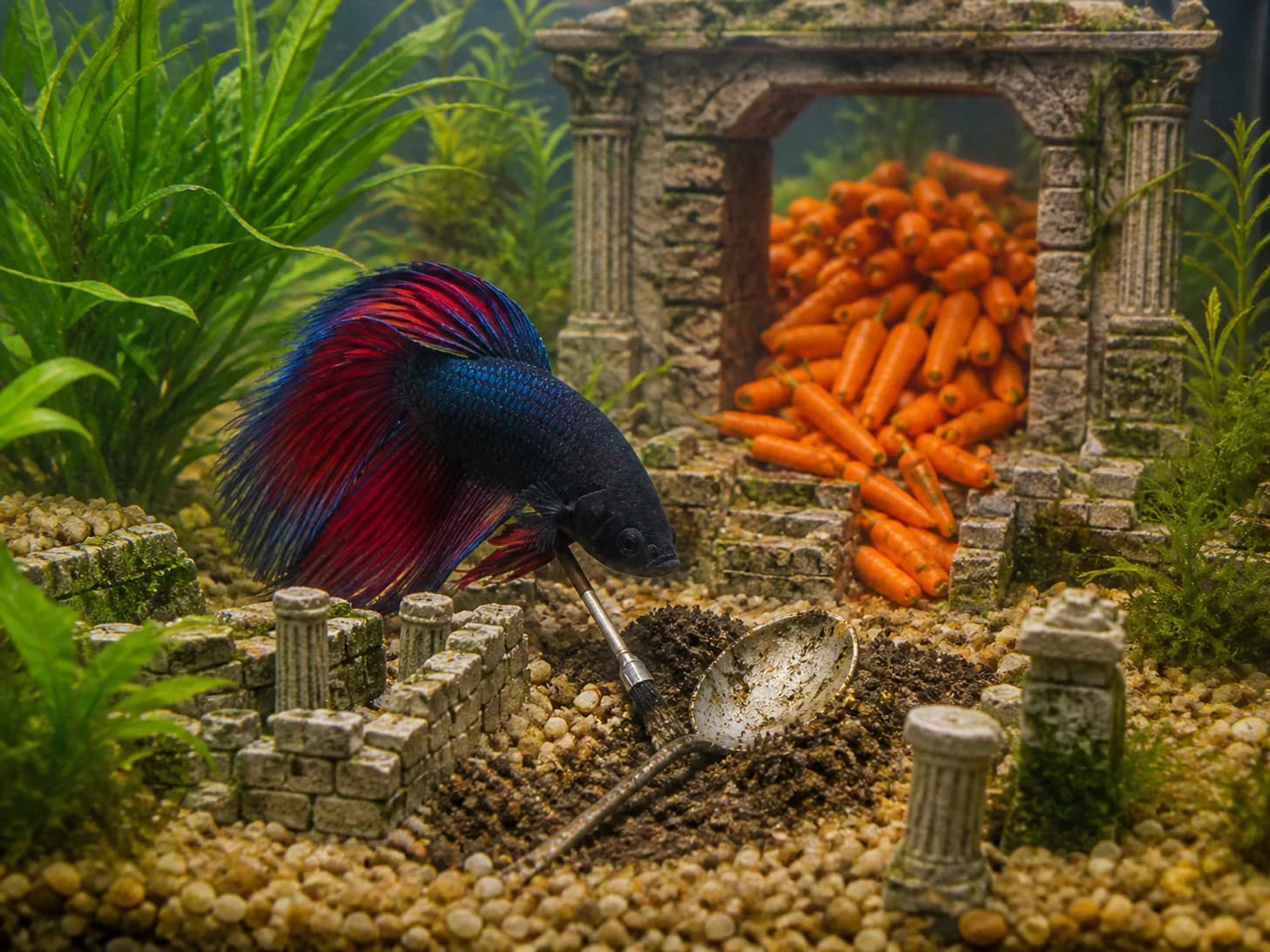
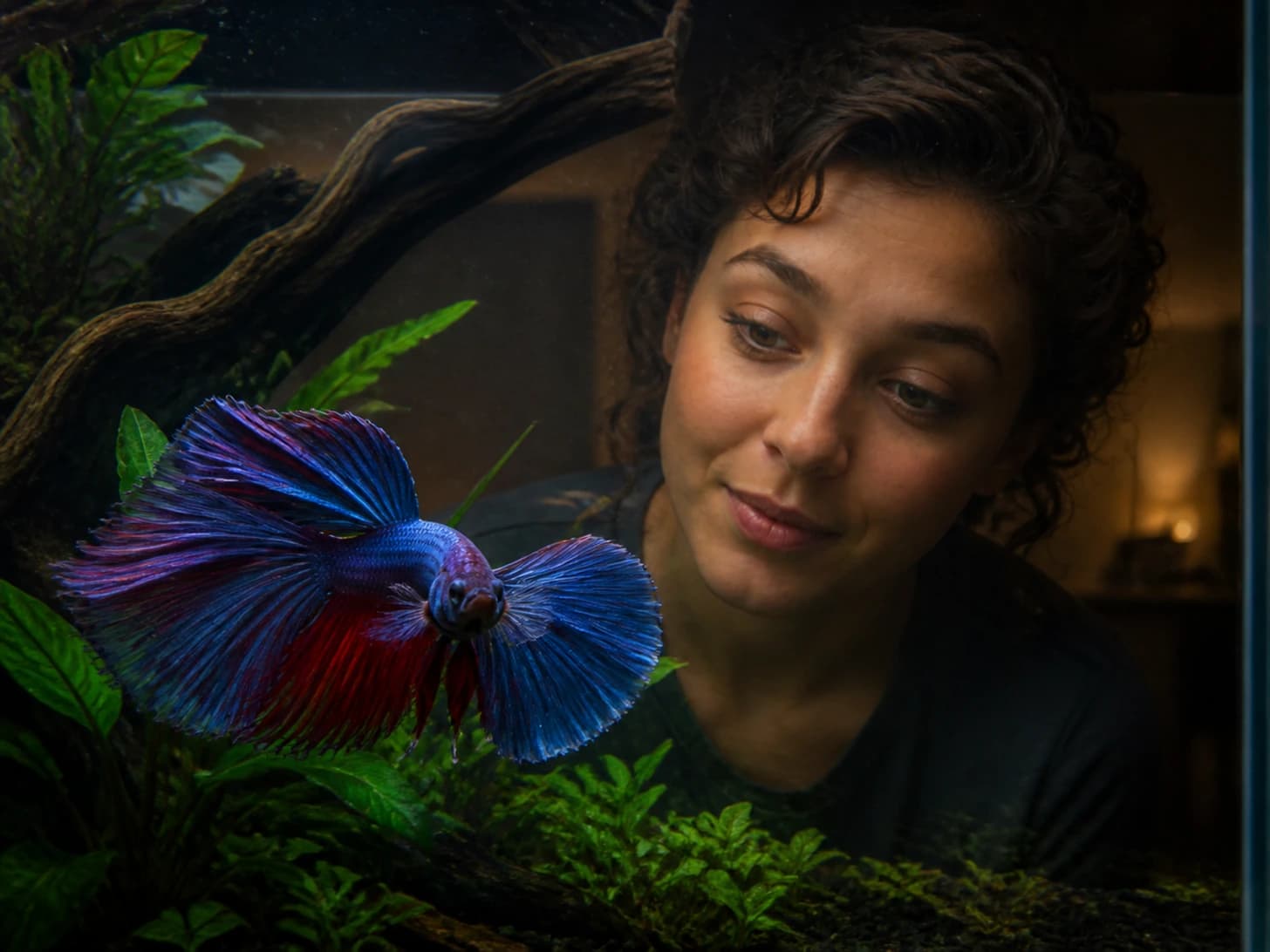
3 betta photos, newest first
Living with a betta
It needs a heater. This is the single most common failure: a betta kept at room temperature is a cold tropical fish with a suppressed immune system, and it will be lethargic, go off food and die early.
Nineteen litres is a sensible minimum, filtered and cycled. The labyrinth organ means it can breathe at the surface; it does not mean it can live in ammonia.
Never house two males together. They will fight until one is dead — that is what they were bred for. A male can sometimes live with peaceful non-nippy tankmates in a larger tank, but never with anything long-finned or brightly coloured.
Keep the flow gentle; heavy finnage makes swimming hard work.
They are intelligent and will learn to follow a finger. Floating logs and broad-leaved plants near the surface get used constantly.
General guidance, not veterinary advice. Individual fishs vary, and anything about a specific animal is a question for a vet who has seen it.
Worth reading alongside this
More fish by breed
Every fish breed somebody has posted a photo of.