Angelfish
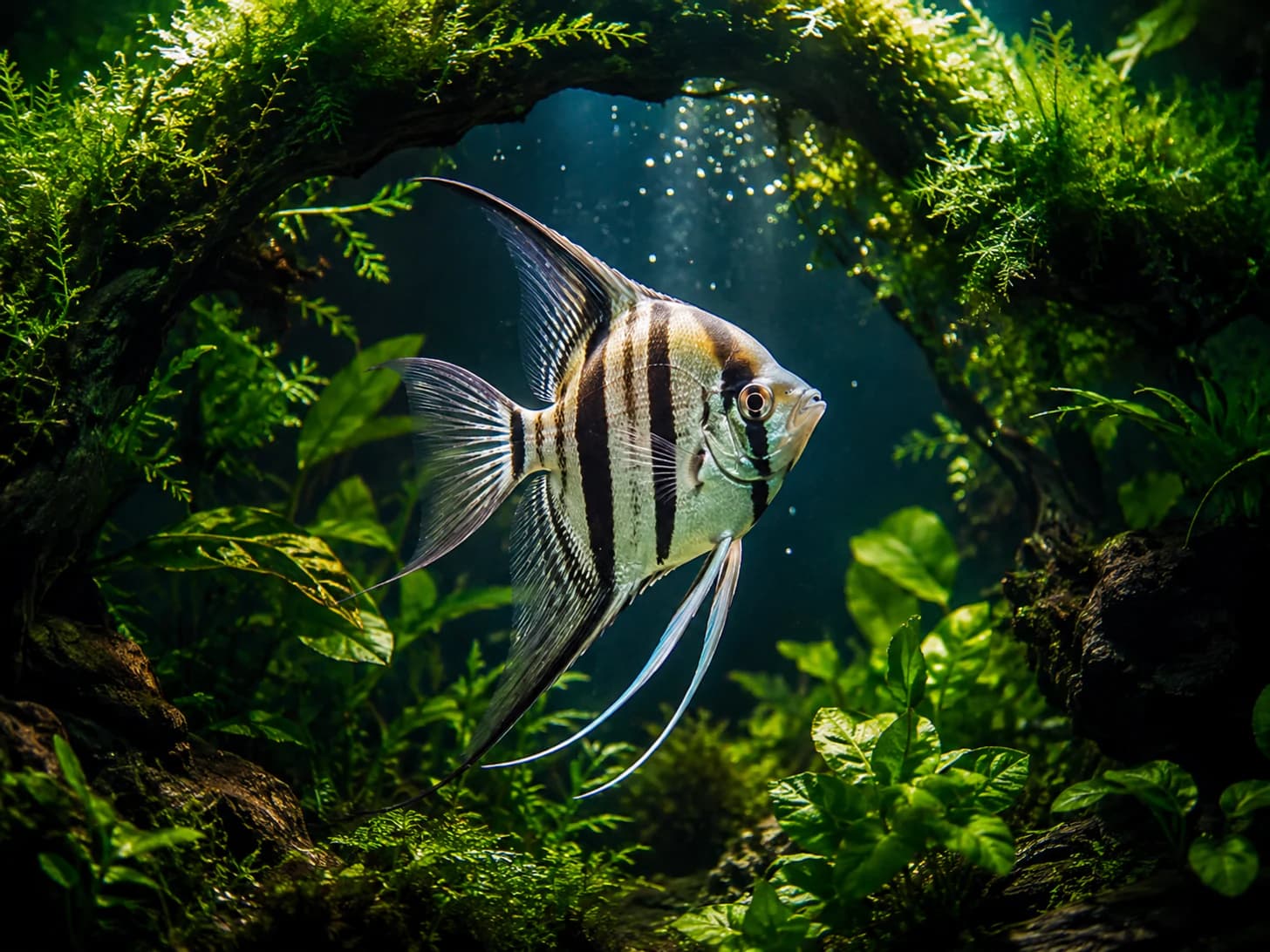
The freshwater angelfish, Pterophyllum scalare, comes from the Amazon basin, where it lives among submerged roots and vertical vegetation in slow water — the body shape is camouflage for exactly that habitat.
It reaches around 15 centimetres long and up to 20 or more from fin tip to fin tip, and lives about ten years. It is a cichlid, and that is the fact most often lost behind its reputation as a graceful community fish: angelfish pair off, become territorial as they mature, and a bonded pair in a community tank will drive everything else into a corner. They will also eat neon tetras, which are frequently sold alongside them.
- Origin
- Amazon basin, South America
- Adult size
- 15 cm long, over 20 cm tall
- Lifespan
- About 10 years
- Minimum tank
- 115 litres, and tall rather than long
- Temperature
- 24–28°C
- Temperament
- A cichlid — territorial when paired, eats small fish
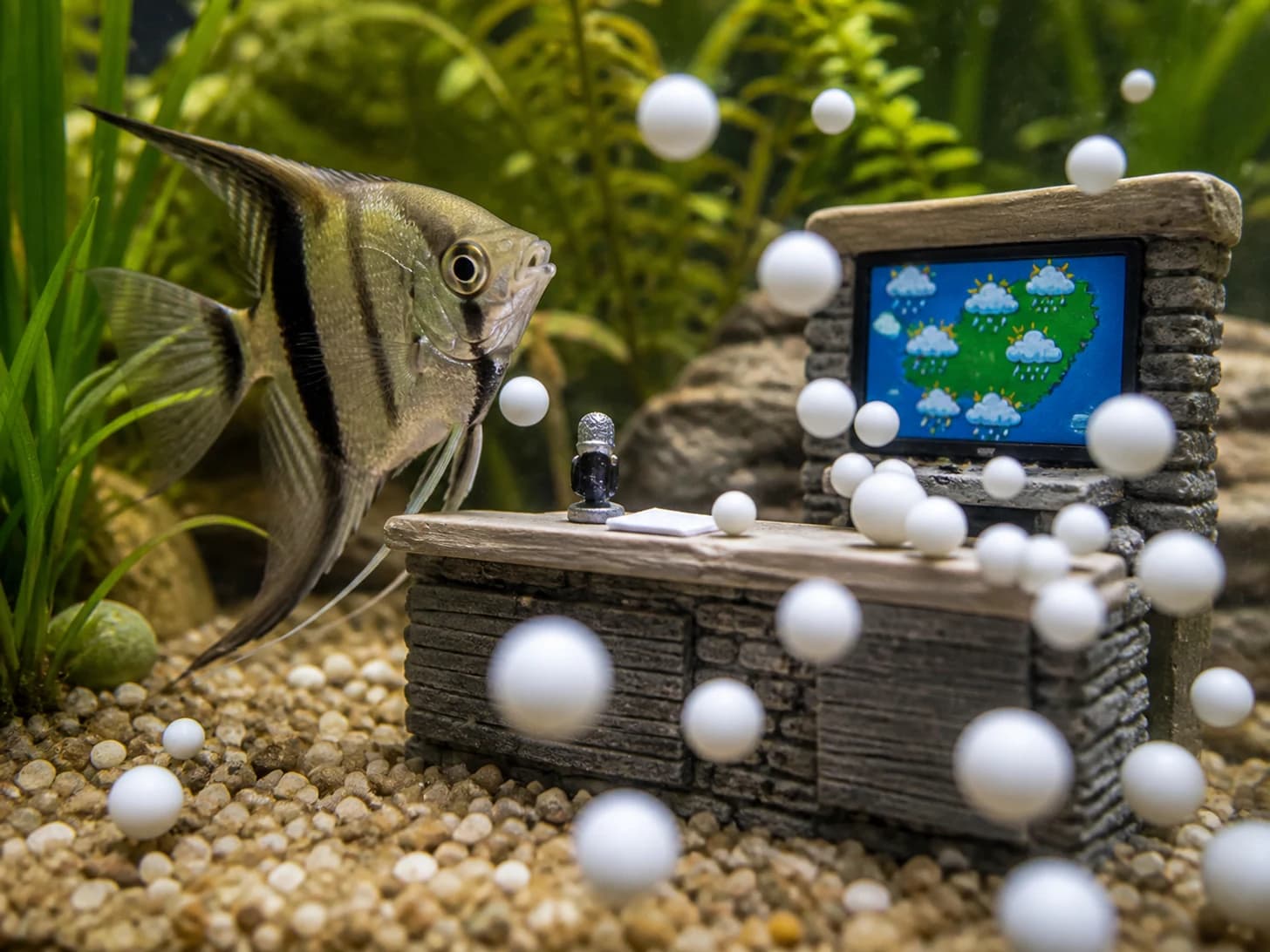
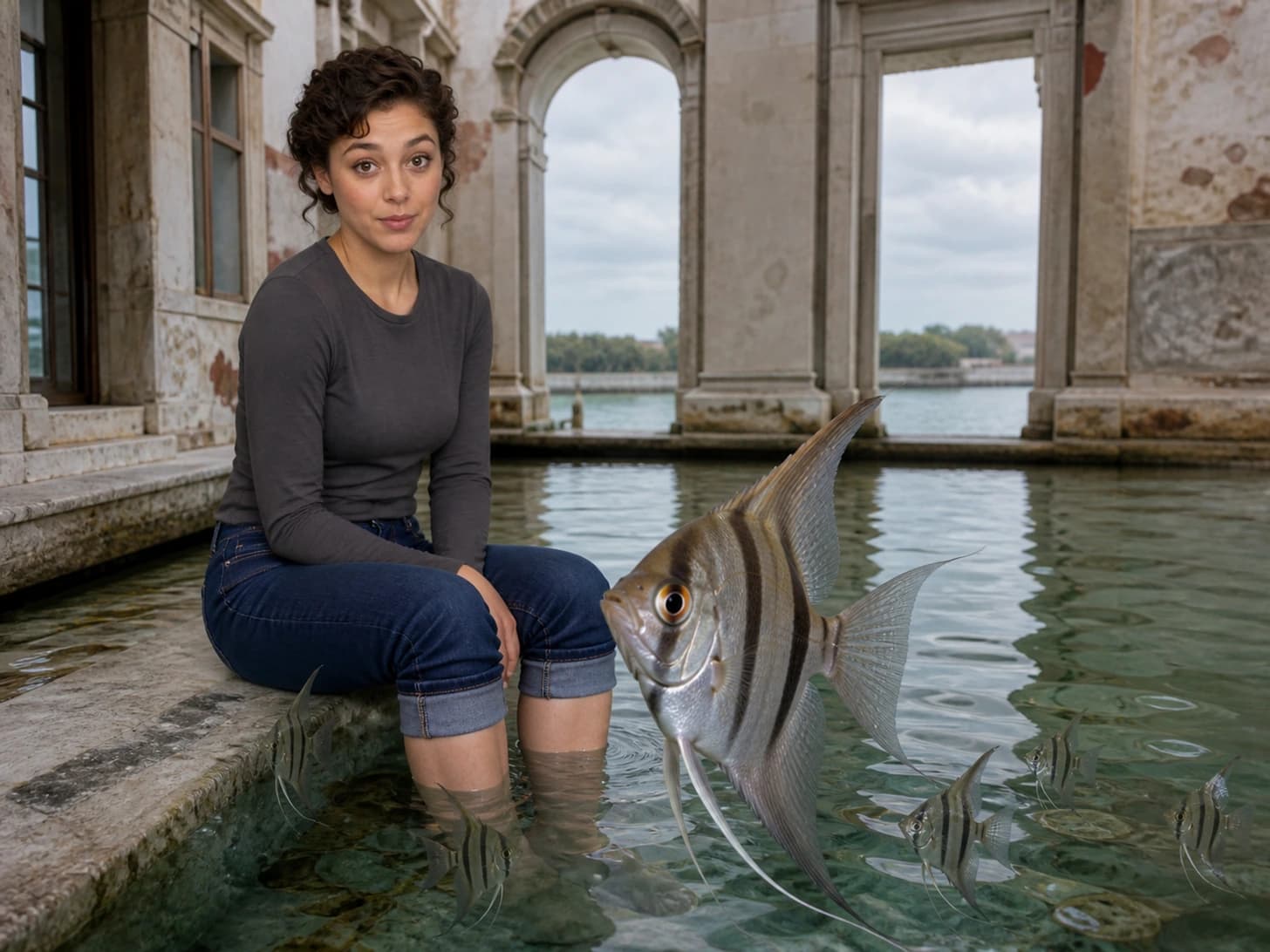
3 angelfish photos, newest first
Living with a angelfish
Height matters more than length. A tall-bodied fish in a shallow tank cannot hold itself properly, so choose the tank by its depth front to back and top to bottom rather than its footprint alone.
Buy a group of young fish and let them pair naturally, or buy an established pair. Two random adults forced together usually ends in one being killed.
Do not keep them with neon tetras, ember tetras or anything else that fits in an angelfish mouth, and avoid fin-nippers such as tiger barbs at the other extreme.
They like warm, soft, slightly acidic water and vertical structure — tall plants, driftwood, roots.
A pair that suddenly clears a patch of leaf or slate and turns aggressive is spawning, not sick. That behaviour is normal and temporary.
General guidance, not veterinary advice. Individual fishs vary, and anything about a specific animal is a question for a vet who has seen it.
Worth reading alongside this
More fish by breed
Every fish breed somebody has posted a photo of.