Goldfish
The goldfish, Carassius auratus, was domesticated in China more than a thousand years ago from a dull grey-brown carp, selectively bred at first for a colour mutation that appeared in ornamental ponds during the Jin dynasty.
It is probably the oldest domesticated fish in the world.
A single-tailed goldfish — the common, comet and shubunkin — reaches 20 to 35 centimetres and lives fifteen to thirty years, with verified individuals over forty. Fancy varieties stay smaller. The gap between those numbers and how goldfish are actually kept is the widest of any pet animal: a fish that grows to the length of a forearm and outlives a dog is still sold as a bowl ornament and a fairground prize.
- Origin
- China, domesticated over 1,000 years ago
- Adult size
- 20–35 cm for single-tailed types; fancies smaller
- Lifespan
- 15–30 years; over 40 recorded
- Minimum tank
- About 300 litres for two single-tails, or a pond
- Temperature
- 18–22°C — unheated, and they dislike tropical warmth
- Diet
- Omnivore; sinking pellets, vegetables, occasional live food
Related: Bubble eye goldfish
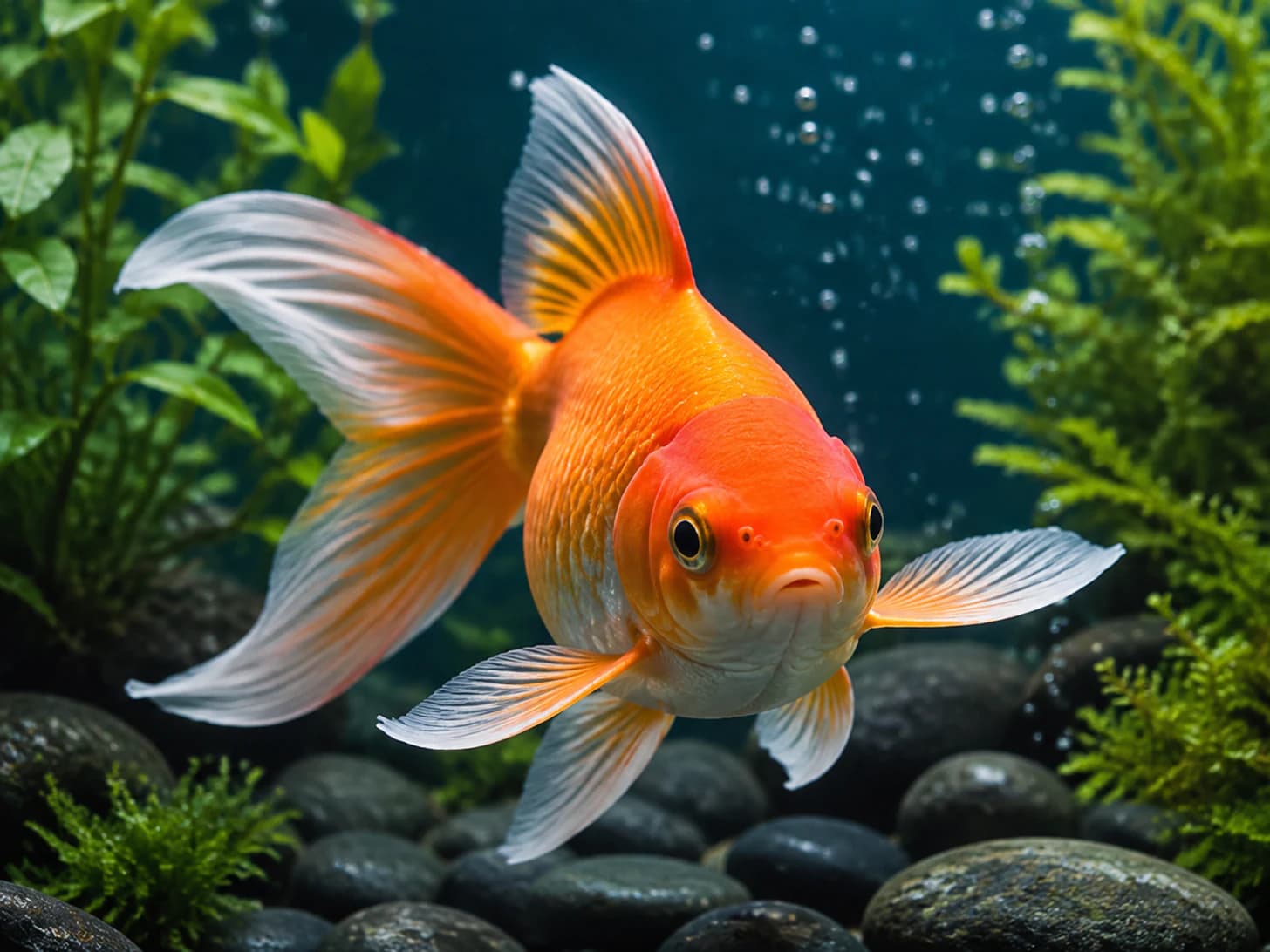
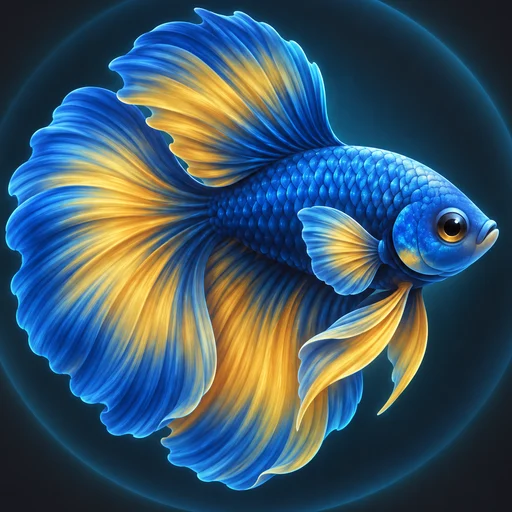
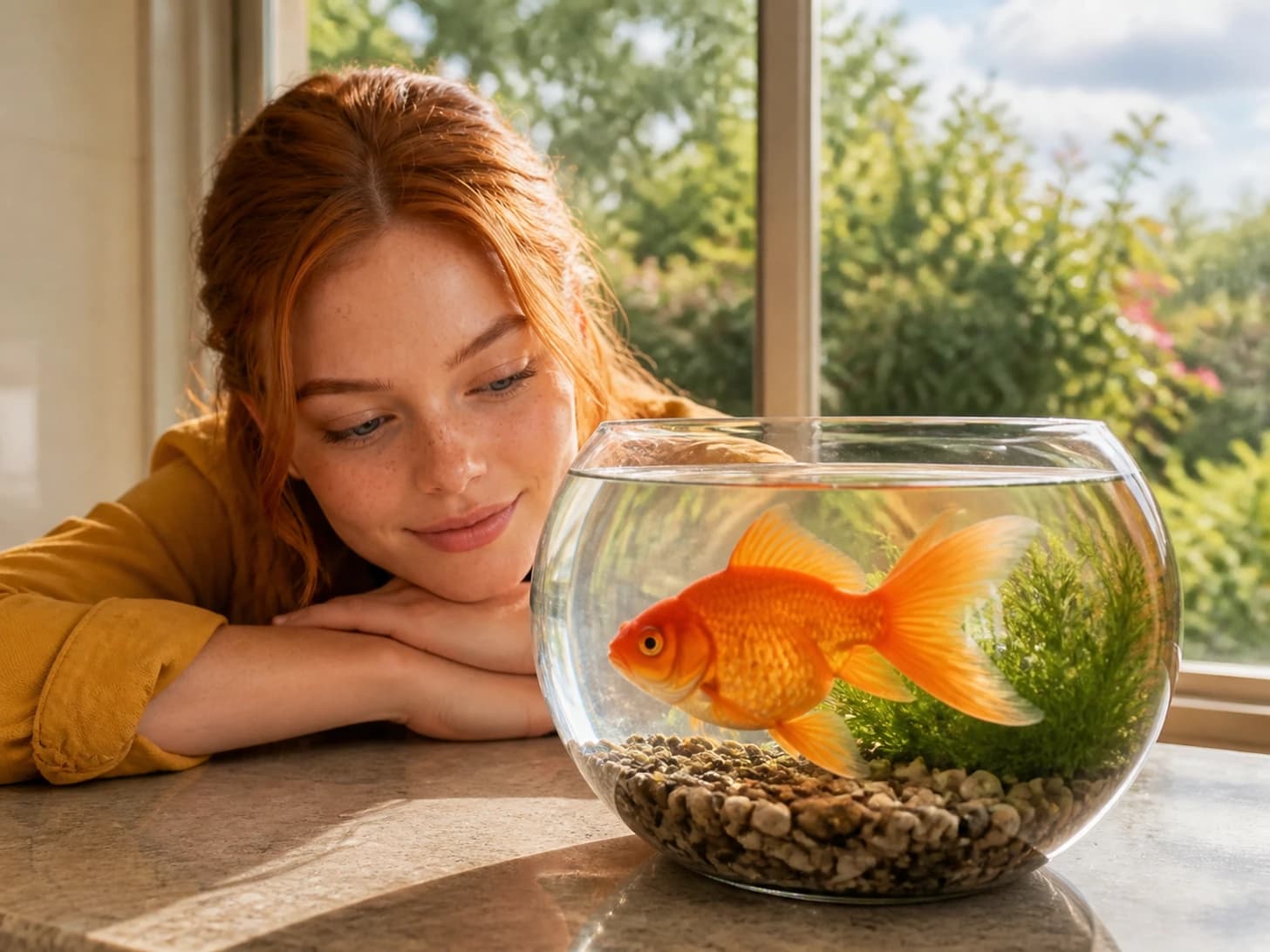
3 goldfish photos of 2 fish, newest first
Living with a goldfish
A bowl is not a home for a goldfish, and neither is a 40-litre starter tank. Single-tailed goldfish are active, grow large and produce a great deal of waste; two of them need something closer to 300 litres, and outdoors in a pond is genuinely better where the climate allows.
They are cold-water fish. A heater is not required and tropical temperatures shorten their lives. What they do need is heavy filtration and generous water changes, because the ammonia they produce is what actually kills them.
Never add a goldfish to a tank that has not been cycled. Most fairground goldfish die of ammonia poisoning in a new tank within a fortnight, and it is preventable.
Feed sparingly and include vegetable matter; the tissue-thin flakes sold with them are not enough on their own.
A goldfish that hangs at the surface or lies on the bottom after eating is a buoyancy problem, common in fancy varieties and usually diet-related.
General guidance, not veterinary advice. Individual fishs vary, and anything about a specific animal is a question for a vet who has seen it.
Worth reading alongside this
More fish by breed
Every fish breed somebody has posted a photo of.