What a bird breathes, and what kills it
4 min read · Updated
 Birds
Birds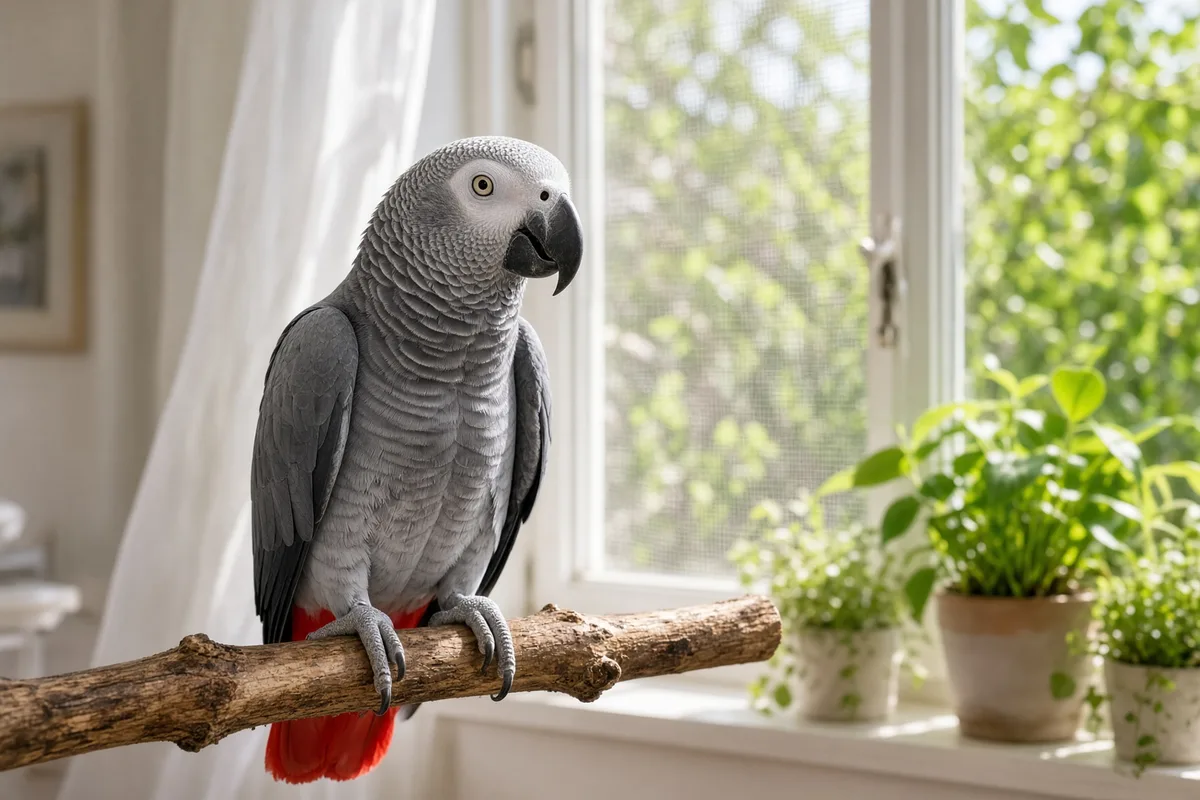
The canary in the coal mine was not a metaphor. A bird's respiratory system is more efficient than a mammal's by a wide margin, and the price of that efficiency is that anything in the air reaches the bloodstream faster and in greater quantity. A room that is merely stuffy to you can be lethal to a parrot on the windowsill.
Why birds are different
A mammal's lung is a dead end. Air goes in, exchanges gas, and comes back out the way it arrived, mixing fresh air with stale on every breath.
A bird's does not work that way. Air moves through the lung in one direction, pushed and pulled by a set of air sacs that act as bellows, and it takes two full breath cycles for a single lungful to pass all the way through. The exchange surface is arranged so that blood meets air flowing crosswise to it, which extracts far more oxygen than a mammal manages.
This is what allows a bar-headed goose to fly over the Himalayas. It also means a bird takes in more of whatever else is in the air, and takes it in faster.
The air sacs reach into the body cavity and into some of the bones, so there is no equivalent of a mammal's ability to cough something out and be done with it. And birds have no diaphragm: they need their chest to be able to move, which is why gripping a bird around the body can suffocate it.
The practical upshot is simple. Anything airborne that would give you a headache can kill a bird, and it can do it before you notice a smell.
The kitchen is the dangerous room
Overheated non-stick coatings are the classic killer. PTFE releases fumes when a pan is heated past roughly 260C, which an empty pan on a hot ring reaches in a couple of minutes, and those fumes cause fatal haemorrhaging in a bird's lungs. It is odourless, and birds in the next room have died from it.
The coating is not only on frying pans. It is in some air fryers, waffle irons, hair straighteners, heat lamps, self-cleaning oven cycles, ironing board covers and drip pans. If a bird lives in your house, check what things are coated with before you heat them.
Self-cleaning ovens run deliberately hot and are a well-documented cause of death. Do not run one with a bird in the house.
Smoke of any kind, including burnt food, and cooking oil taken to smoking point.
The fix is to keep birds out of the kitchen entirely and to ventilate hard while cooking. Not the adjoining room — a different room, with the door shut and a window open in the kitchen.
Everything else in the air
Aerosols, without exception: deodorant, hairspray, air freshener, dry shampoo, furniture polish, oven cleaner, insect spray.
Scented candles, incense, plug-in diffusers and wax melts. Essential oils are actively dangerous to birds, and diffusing them in a room with a parrot in it is not a wellness practice.
Cigarette and cannabis smoke, and vape aerosol. Second-hand smoke causes chronic respiratory and eye disease in birds and shortens their lives; nicotine residue on hands also causes contact dermatitis on their feet.
Fresh paint, varnish, new carpet, glue, and the solvents that come off flat-pack furniture for days. Move the bird out of the house for redecorating, not just out of the room.
Cleaning products, especially anything chlorine- or ammonia-based, and never the two together.
Carbon monoxide, which kills birds before it reaches the level that triggers most household alarms — one more reason to have an alarm and to service the boiler.
Dust, including the bird's own. Cockatoos, cockatiels and African greys produce a great deal of feather dust, which is hard on the birds themselves and on anyone in the house with asthma. An air purifier earns its keep.
Getting the air right
Ventilate without draughts. Birds need air changes and do not tolerate a cold draught blowing across them, so an open window on the far side of the room beats one behind the cage.
A HEPA air purifier near the cage, running continuously, for dust and for whatever drifts in.
Humidity matters more than most owners think. Many parrots come from humid climates and a centrally heated British house in January is desert-dry, which shows up as dry skin, poor feather condition and feather-plucking. A humidifier, a daily misting or regular showers with the bird help.
No smoking indoors, and wash your hands before handling a bird if you have smoked.
No aerosols or scented anything in the house. Not a lighter version of it — none.
Keep the cage out of the kitchen and out of direct sun, and give the bird somewhere in the room that is genuinely quiet.
And know the signs of a bird in respiratory trouble, because they are subtle until they are not: tail bobbing with each breath, open-mouthed breathing, a clicking or wheezing sound, a change in voice, discharge from the nostrils, sitting fluffed up on the cage floor. A bird showing any of those needs an avian vet today. Birds hide illness until they cannot, and by the time one looks unwell it has usually been unwell for a while.