Asian water monitor
The Asian water monitor, Varanus salvator, is the second-heaviest lizard on earth after the Komodo dragon, found across South and South-East Asia in mangrove, river and canal habitat, and entirely at home in cities.
Adults commonly reach 1.5 to 2 metres and large males exceed 2.5 metres and 50 kilograms. They are intelligent, powerful, equipped with claws and a whipping tail, and they need water they can submerge in. A hatchling is sold cheaply and grows into an animal that requires a heated, drained, purpose-built room. This is a species for experienced keepers with the space and budget to build for the adult, and for very few others.
- Origin
- South and South-East Asia
- Adult size
- 1.5–2.5 m; large males over 50 kg
- Lifespan
- 15–20 years
- Basking temperature
- 50–60°C surface, ambient 29–32°C
- Enclosure
- Room-sized, with a pool deep enough to submerge in
- Legal status
- Licensed or prohibited in many jurisdictions
Related: Ackie monitor
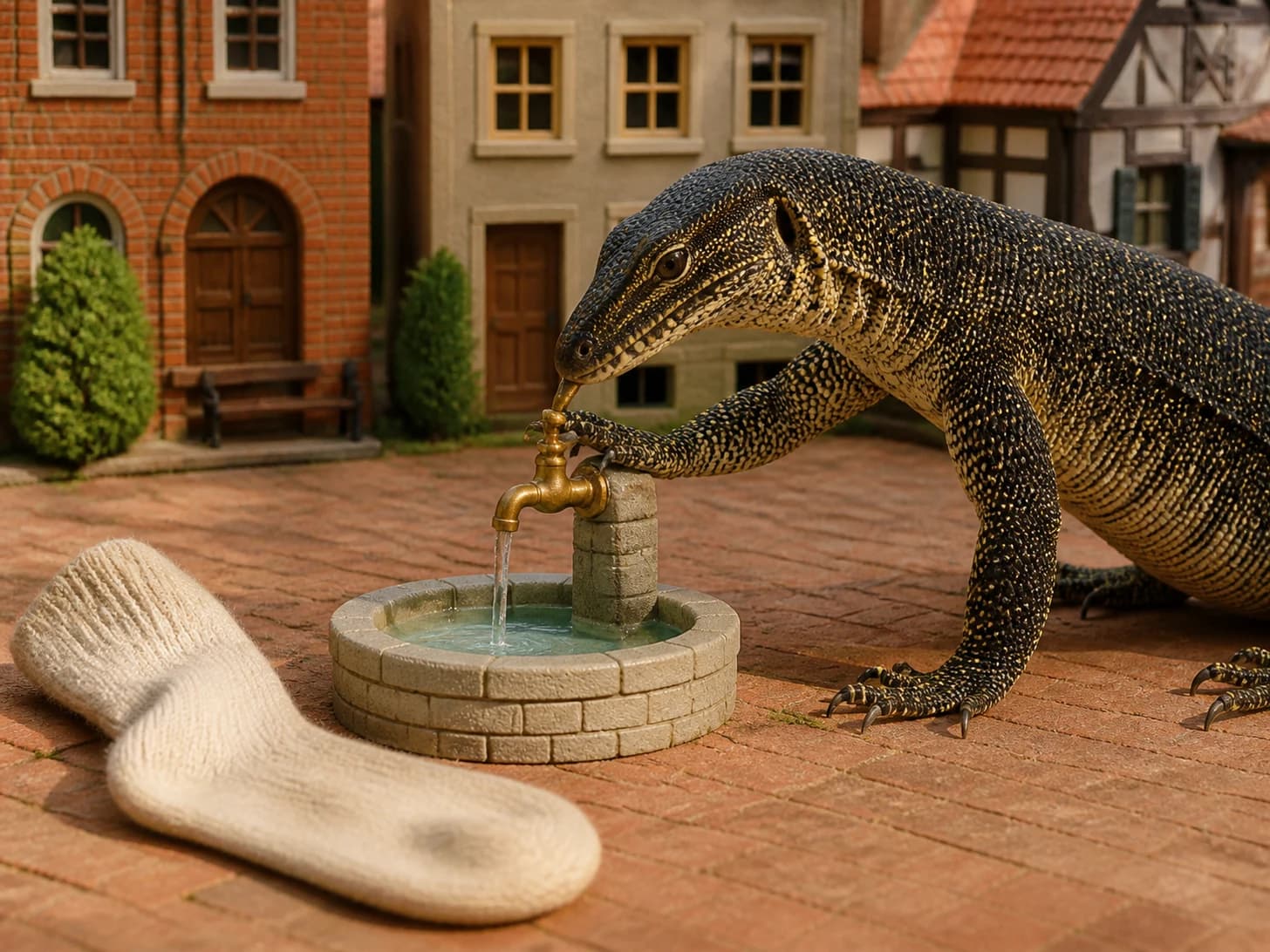
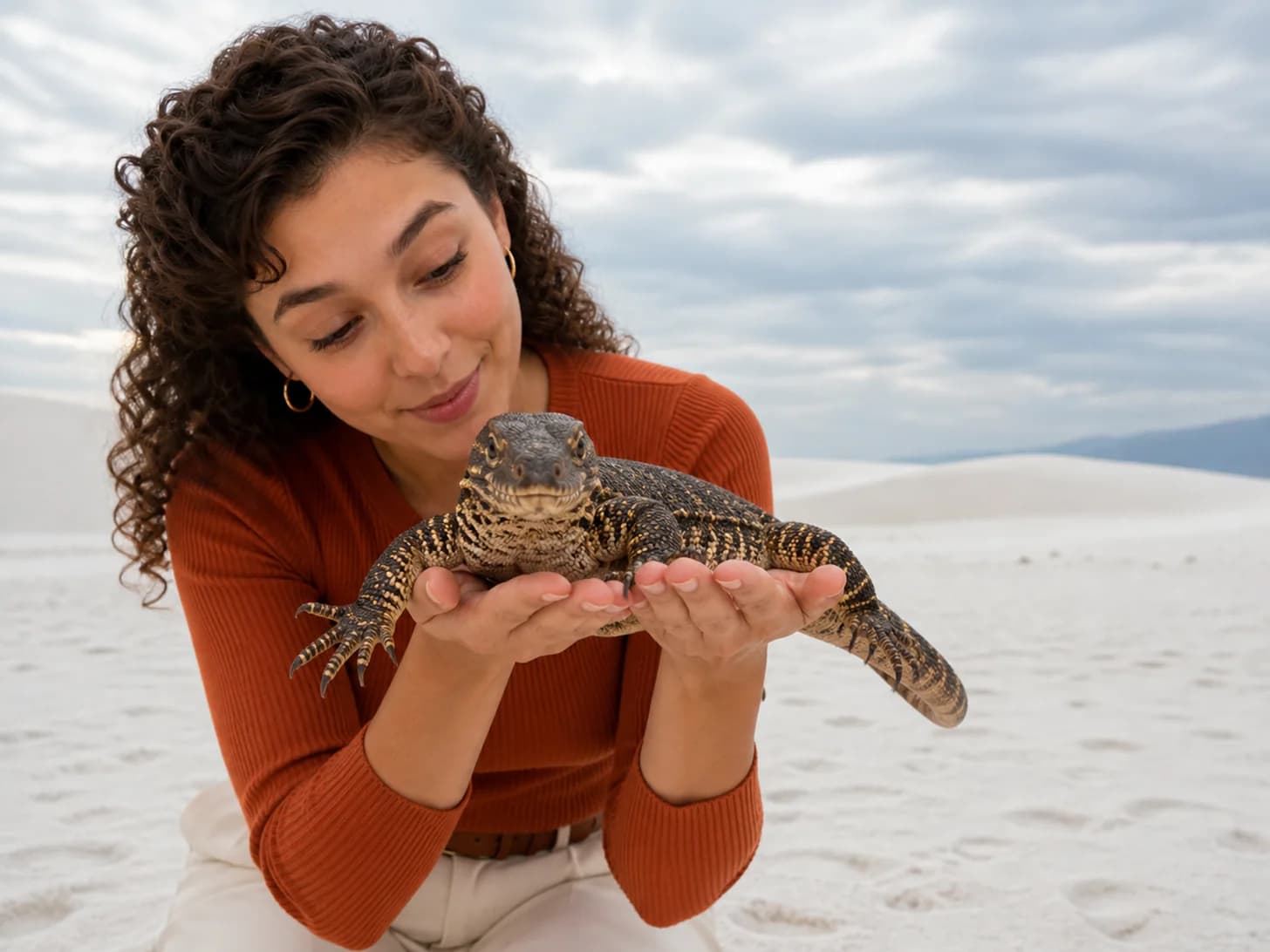
2 asian water monitor photos, newest first

Living with a asian water monitor
Be honest about the adult before acquiring a hatchling. A full-grown water monitor needs an enclosure measured in metres — 2.4 × 1.2 metres is a commonly cited minimum and is on the small side — with a heated pool it can fully submerge in and a drainage plan for the water it fouls.
A very hot basking surface of 50–60°C over an ambient near 30°C, with strong UVB, and high humidity throughout.
Daily handling from young is what produces a tractable adult; an unsocialised one is genuinely dangerous, with claws and a tail that draws blood.
Check licensing. Many places require a dangerous-animal licence or prohibit the species outright.
Rescues are full of these. Rehoming an adult is close to impossible.
General guidance, not veterinary advice. Individual reptiles vary, and anything about a specific animal is a question for a vet who has seen it.
Worth reading alongside this
More reptiles by breed
Every reptile breed somebody has posted a photo of.
- Blue-tongued skink5
- Ackie monitor3
- African fat-tailed gecko3
- Aldabra tortoise3
- Argentine black and white tegu3
- Ball python3
- Bearded dragon3
- Boa constrictor3
- Box turtle3
- Brazilian rainbow boa3
- California kingsnake3
- Leopard gecko3
- Amazon tree boa2
- Black rat snake2
- Blood python2
- Brown anole2
- Bull snake2
- Burmese python2