Longer pieces about the things that decide what living with an animal is actually like — the emergency that kills a healthy dog in an afternoon, the four weeks a fish tank needs before any fish go in, why a rabbit that stops eating cannot wait until morning, and what to ask a breeder before any money changes hands.
Pick an animal below to see only the posts that apply to it. Many of these cut across several — what a flat face costs is a question for cats as much as dogs — so a post can sit under more than one, and the animals it covers are on the corner of its picture and at the top of the post itself.
Search goes straight to the post. It looks at the headline and at the words the breed pages use to link these, so “GDV” finds the bloat piece and “teflon” finds the one about what a bird breathes.
Subscribe and new posts come to you. The feed below is this blog. Every species and every breed page has one of its own as well, so you can follow just the animal you keep and hear about it whenever somebody adds a photo.
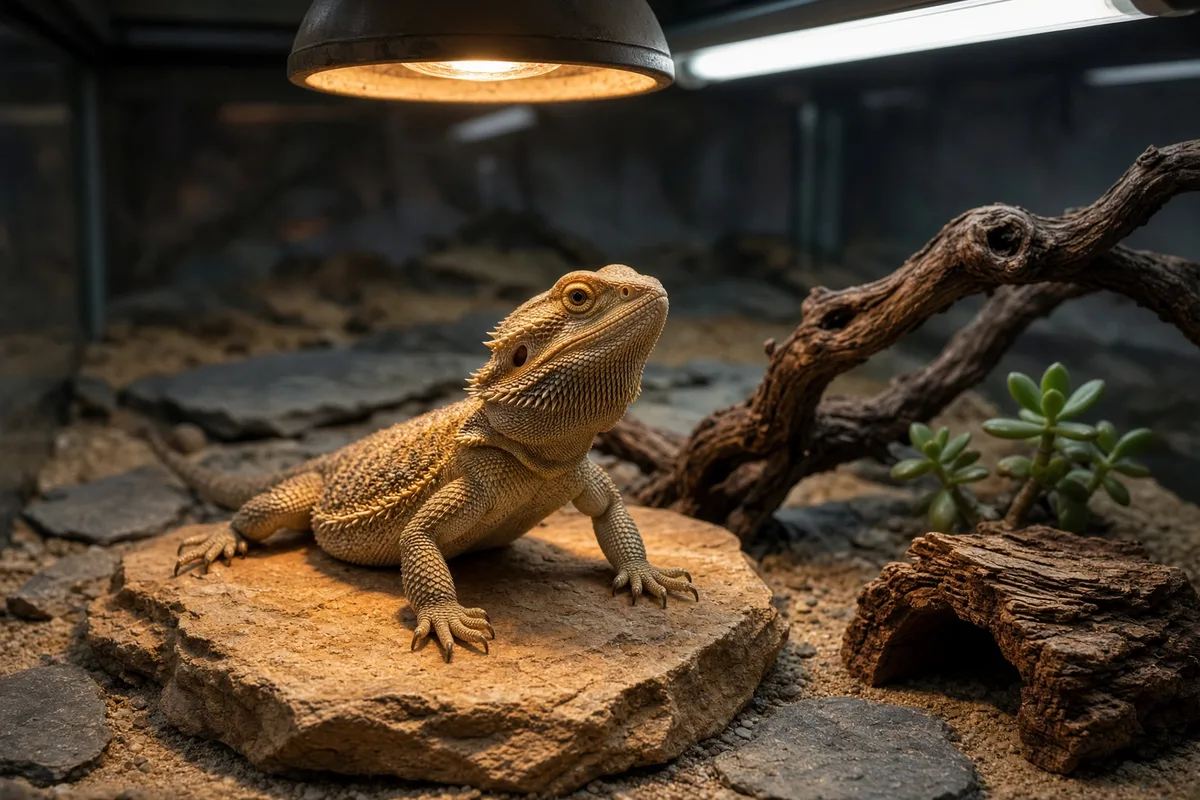
Almost every chronic illness in captive reptiles traces back to the enclosure rather than the animal: a basking spot a few degrees too cool, a UVB tube that has been on for two years, a heat source with nothing controlling it. Get the environment right and most of the rest looks after itself.
Every photograph on this site was taken by somebody with an animal that would not sit still. Most of what makes a good pet photograph is not equipment: it is where the light comes from, how low you get, what you focus on, and whether you were willing to wait.
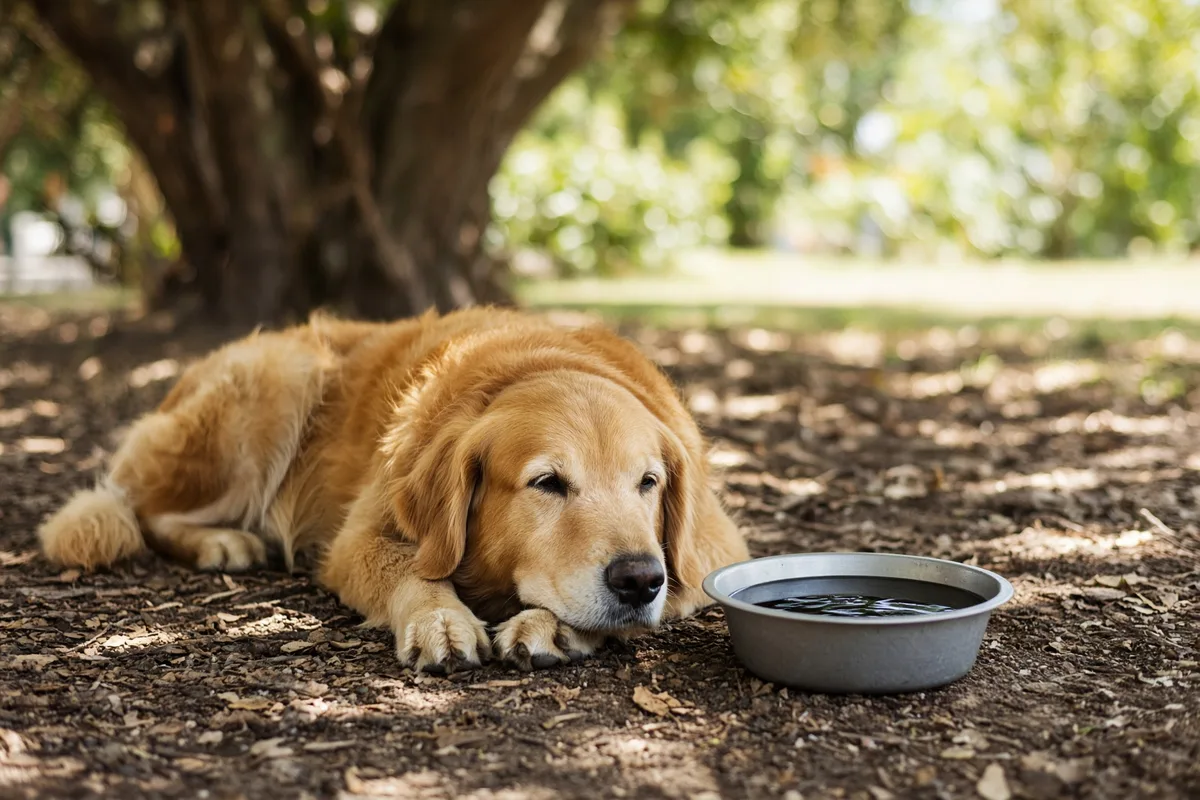
Scores of the breed profiles here warn about heat, and they are the flat-faced breeds, the thick-coated Arctic ones and the animals that cannot sweat at all. Heatstroke is one of the few emergencies where what an owner does in the first few minutes changes the outcome more than anything a vet does afterwards.
Rescues are full of the animals whose breed profiles on this site carry a warning — the high-drive working dogs, the giant guardians, the adult constrictors, the parrots that outlived their owner's patience. Adopting one is the single most useful thing an individual can do about any of it, and it goes better when nobody expects the animal to be finished on arrival.
· 3 min read
General guidance, not veterinary advice. Anything about a specific animal — a symptom, a diet, a decision — is a question for a vet who has examined it.