Amazon tree boa
The Amazon tree boa, Corallus hortulanus, is a slender arboreal boa from northern South America, found in an unusually wide range of colours from grey and brown through to bright orange and red, with siblings from a single litter often differing completely.
Adults reach 1.2 to 1.8 metres. They spend their lives coiled over branches and strike readily and accurately from that position. This is not a snake to handle: even long-established captives are typically defensive, and the species is kept as an animal to look at rather than one to interact with. Anyone told otherwise at the point of sale is being misled.
- Origin
- Northern South America
- Adult size
- 1.2–1.8 m, slender and arboreal
- Lifespan
- 15–20 years
- Ambient temperature
- 26–29°C, hot spot around 30°C
- Humidity
- 70–80%
- Temperament
- Defensive; a display species, not a handling one
Related: Boa constrictor · Brazilian rainbow boa
2 amazon tree boa photos, newest first
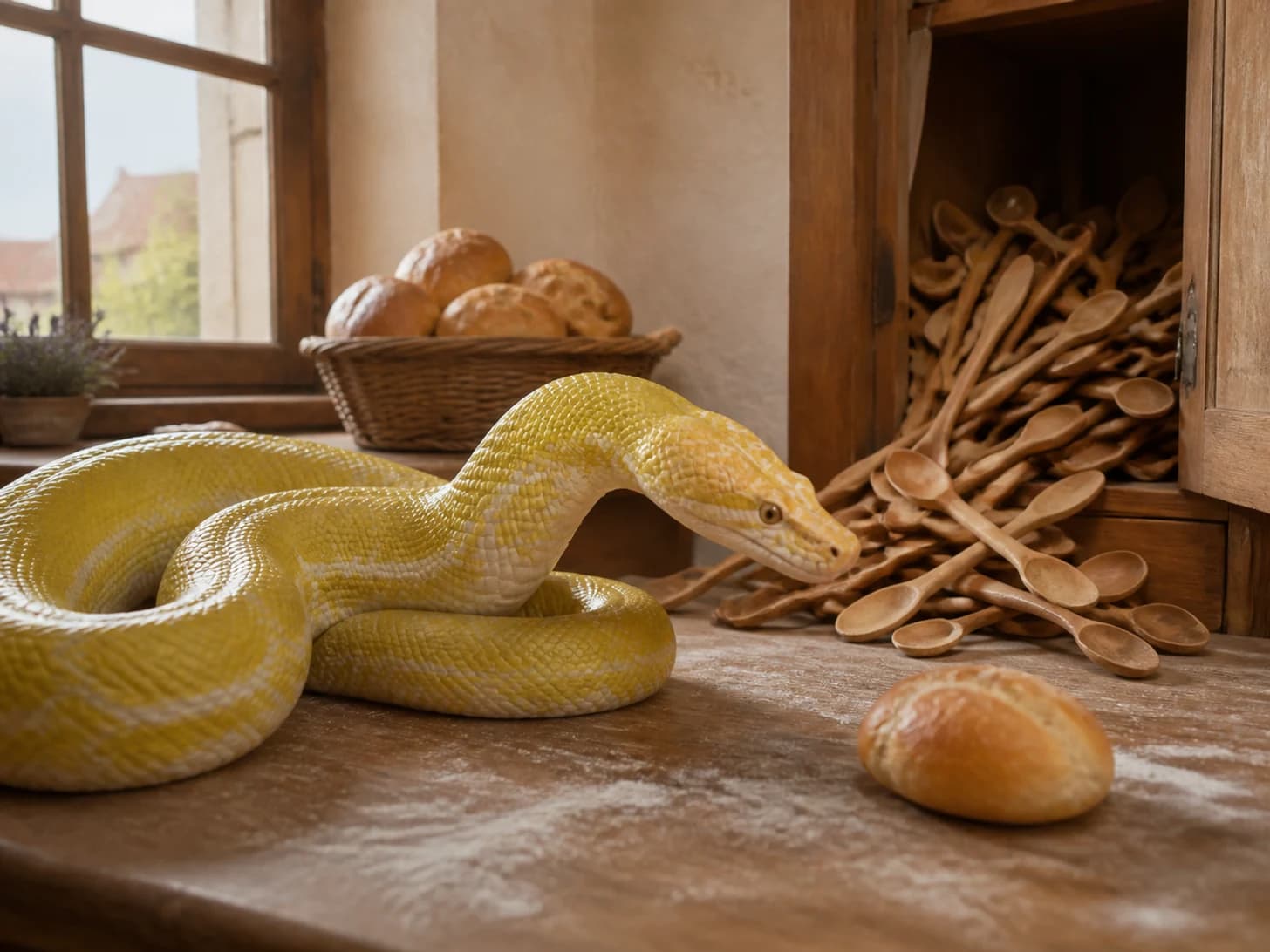


Living with a amazon tree boa
Accept what the animal is. Amazon tree boas strike from a coiled position with speed and reach, and while the bite is not dangerous it is sharp and repeated. Use a hook to move one, keep handling to what husbandry actually requires, and enjoy it as a display animal.
The enclosure must be tall with a lot of horizontal branch at varying heights and thicknesses — a tree boa placed in a floor-oriented vivarium has nowhere to be.
Humidity of 70–80% with good ventilation, and an ambient of 26–29°C with a modest warm spot.
They feed well and are prone to being overfed; a slender build is the correct build for this species.
Wild-caught imports are common and often carry heavy parasite loads. Buy captive-bred.
General guidance, not veterinary advice. Individual reptiles vary, and anything about a specific animal is a question for a vet who has seen it.
Worth reading alongside this
More reptiles by breed
Every reptile breed somebody has posted a photo of.
- Blue-tongued skink5
- Ackie monitor3
- African fat-tailed gecko3
- Aldabra tortoise3
- Argentine black and white tegu3
- Ball python3
- Bearded dragon3
- Boa constrictor3
- Box turtle3
- Brazilian rainbow boa3
- California kingsnake3
- Leopard gecko3
- Asian water monitor2
- Black rat snake2
- Blood python2
- Brown anole2
- Bull snake2
- Burmese python2