Blue-tongued skink
Blue-tongued skinks are the Tiliqua lizards of Australia, New Guinea and Indonesia, named for the broad cobalt tongue they display, gaping, when threatened — a bluff against birds and predators.
Several species are kept, the northern from Australia being the most common.
They are long-bodied and short-legged, reaching 45 to 60 centimetres, and live fifteen to twenty years or more. They are omnivorous, ground-dwelling, slow-moving and, among lizards, exceptionally tolerant of handling — a well-socialised blue-tongue will sit contentedly on a lap, which is why they are recommended so widely to people who want a lizard they can interact with.
- Origin
- Australia, New Guinea and Indonesia
- Adult size
- 45–60 cm
- Lifespan
- 15–20+ years
- Basking temperature
- 35–38°C surface, 24–26°C cool end
- UVB
- Required — a linear tube over the basking area
- Diet
- Omnivore — roughly half greens and vegetables, half protein
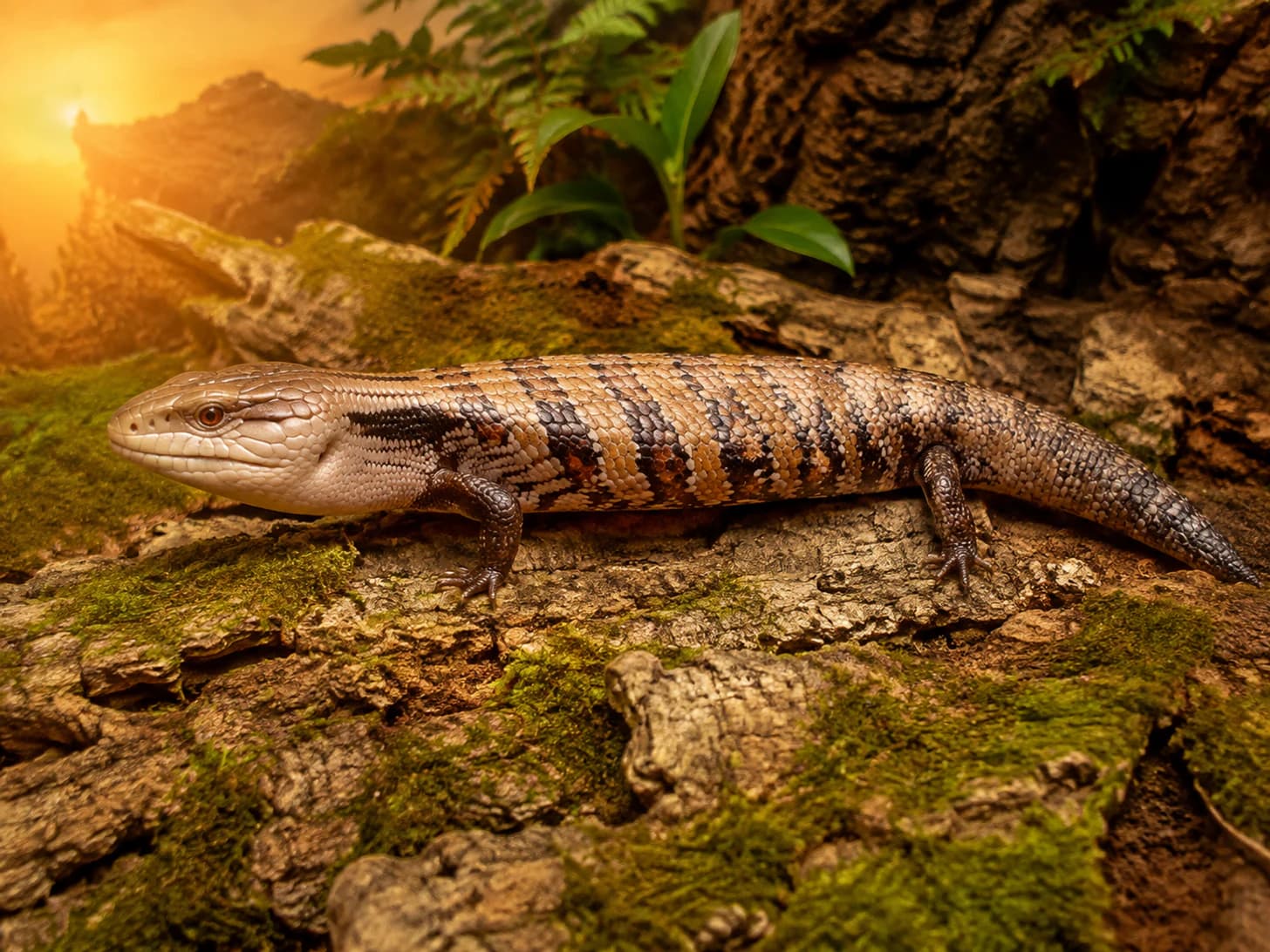
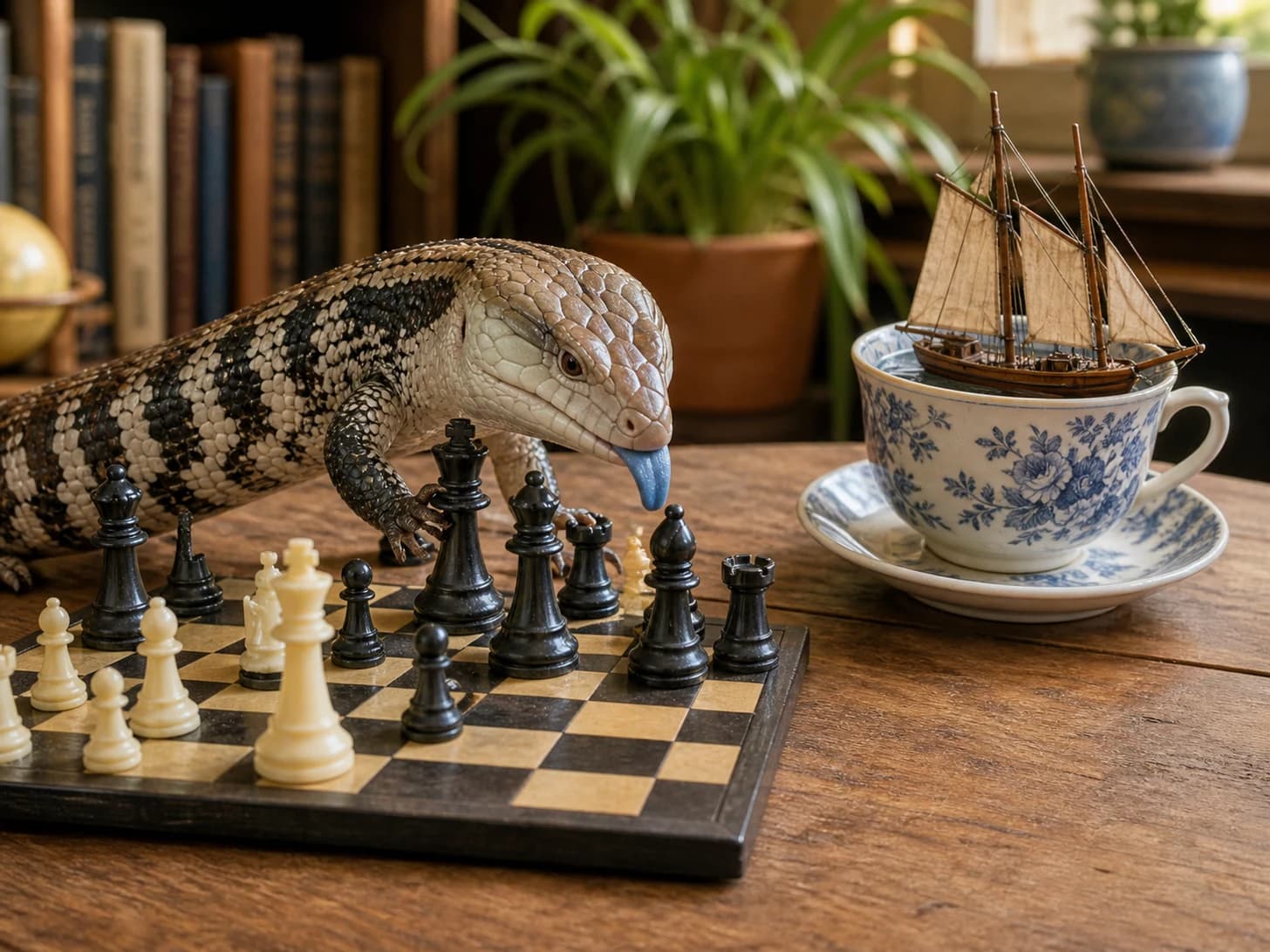
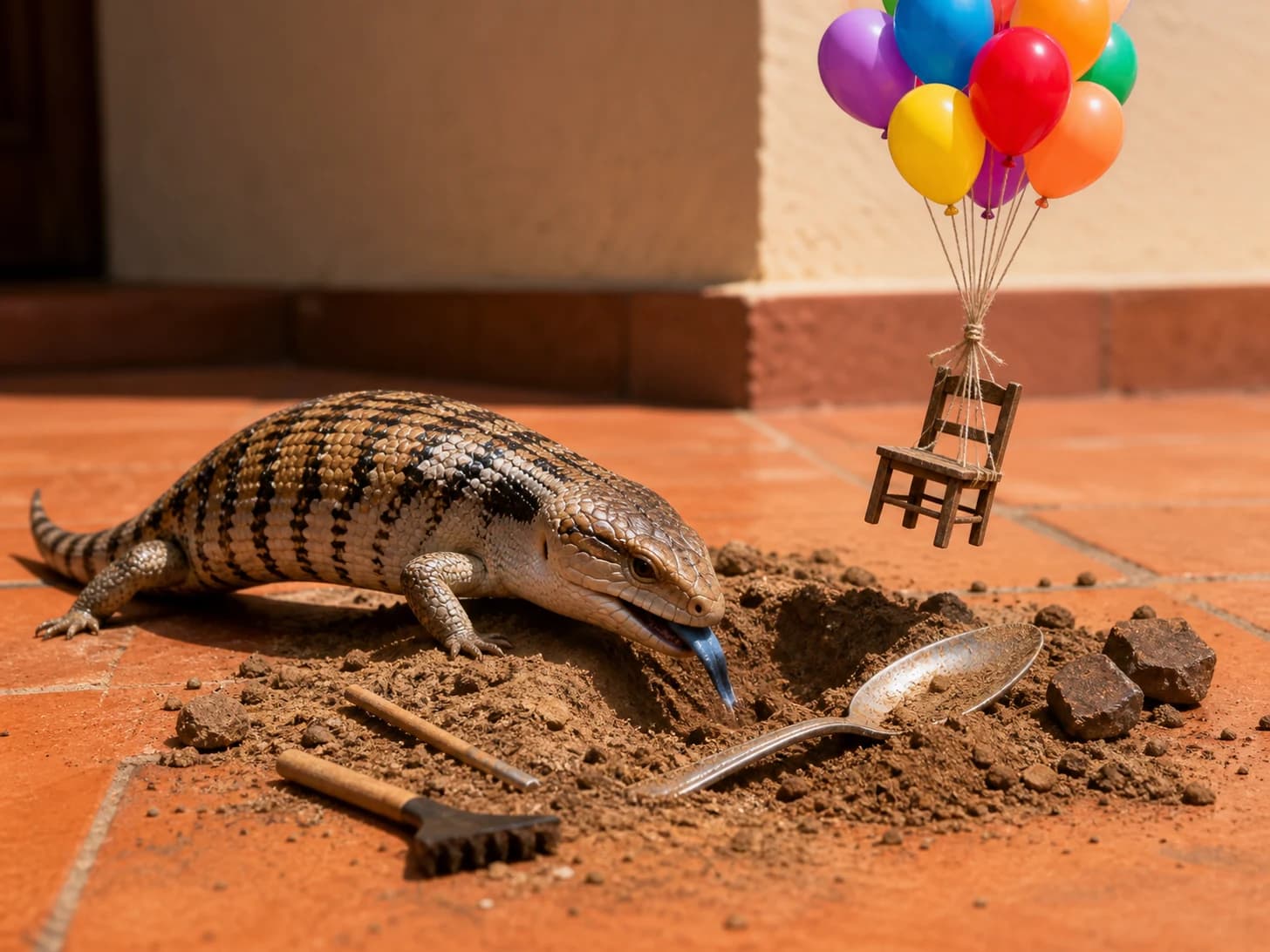
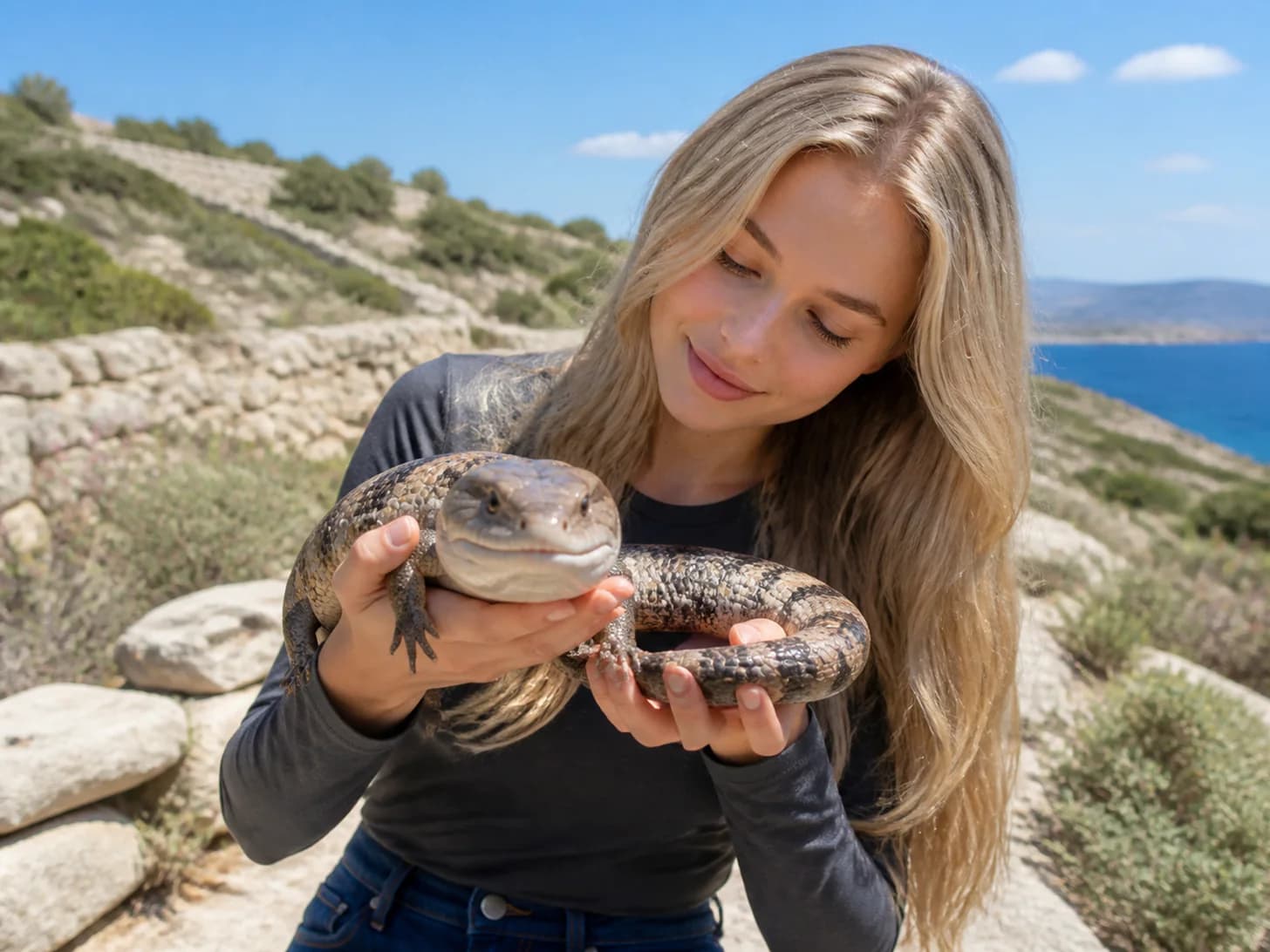
5 blue-tongued skink photos, newest first

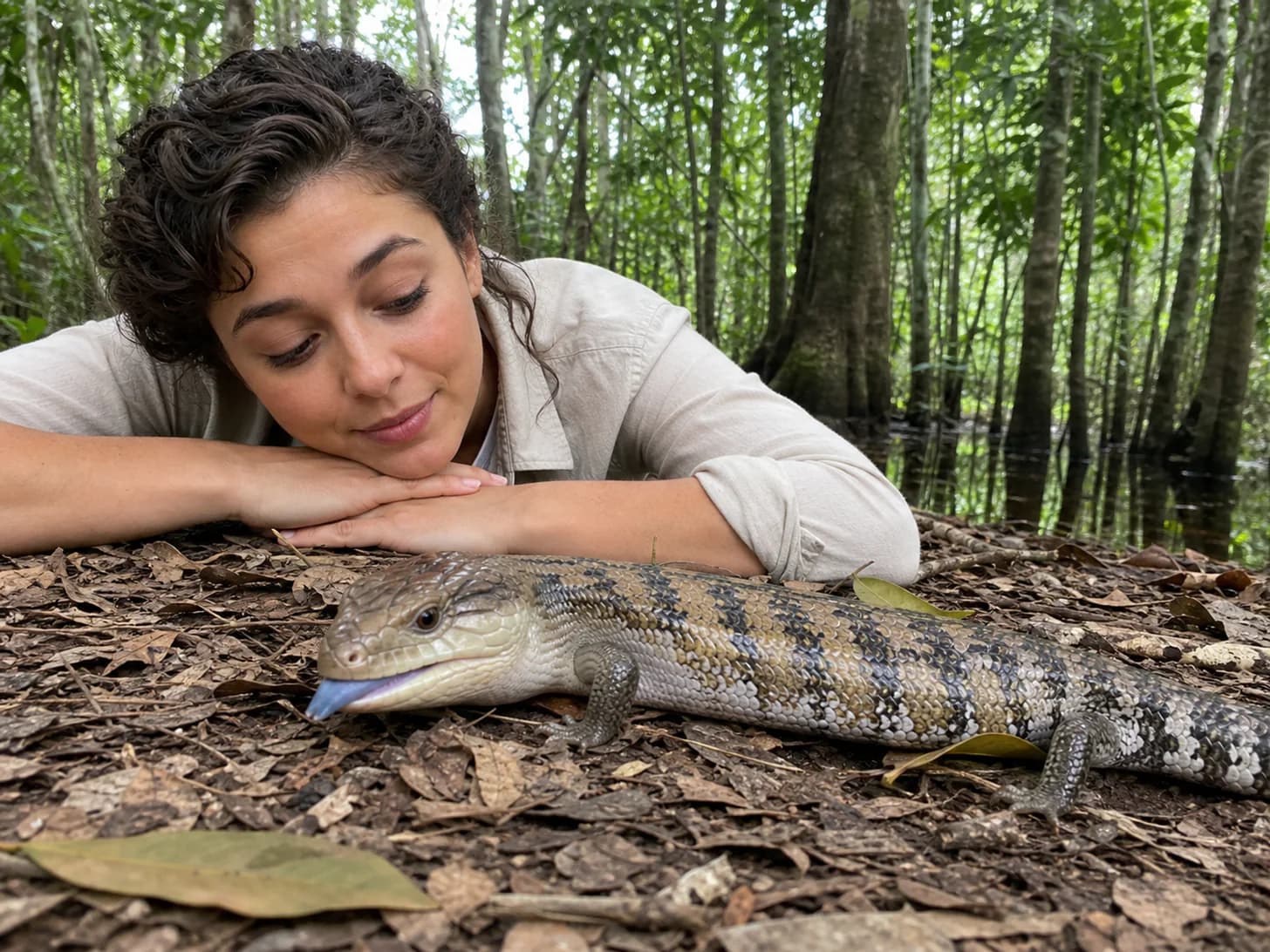
Living with a blue-tongued skink
Floor space, not height. An adult needs at least 1.2 × 0.6 metres, and these are heavy-bodied ground animals that do not climb; a tall vivarium wastes the volume they cannot use.
UVB is required. Like bearded dragons they develop metabolic bone disease without it, and the tube needs replacing every six to twelve months regardless of whether it still lights.
The diet is the part most often got wrong. They are omnivores, not insectivores: roughly half greens and vegetables, half protein from insects, and a small amount of fruit. Obesity from too much protein is common.
House alone — they are solitary and adults fight.
Provide deep substrate for burrowing, and a hide at each end of the gradient.
General guidance, not veterinary advice. Individual reptiles vary, and anything about a specific animal is a question for a vet who has seen it.
Worth reading alongside this
More reptiles by breed
Every reptile breed somebody has posted a photo of.
- Ackie monitor3
- African fat-tailed gecko3
- Aldabra tortoise3
- Argentine black and white tegu3
- Ball python3
- Bearded dragon3
- Boa constrictor3
- Box turtle3
- Brazilian rainbow boa3
- California kingsnake3
- Leopard gecko3
- Amazon tree boa2
- Asian water monitor2
- Black rat snake2
- Blood python2
- Brown anole2
- Bull snake2
- Burmese python2