Heatstroke, and the first ten minutes
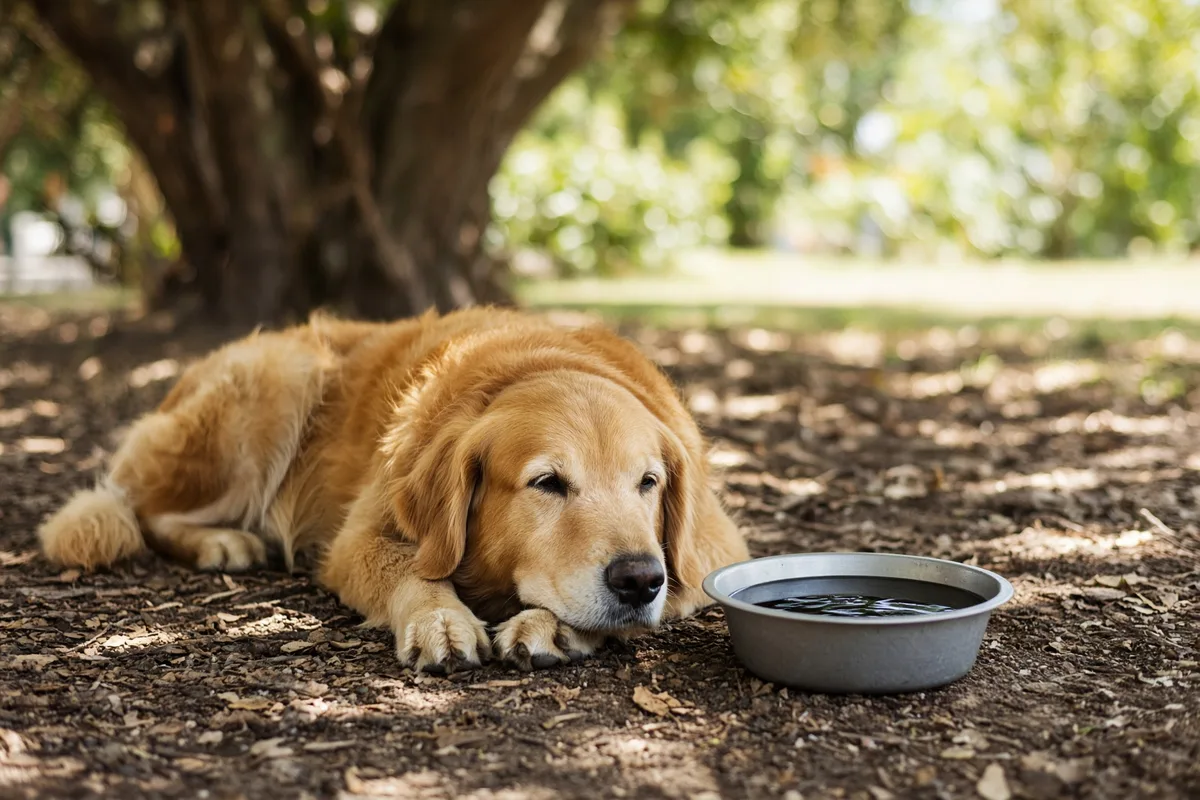
Heatstroke kills quickly and is entirely preventable. Which animals are at risk, the signs, and the cooling that current evidence actually supports.
54 photos across 12 breeds
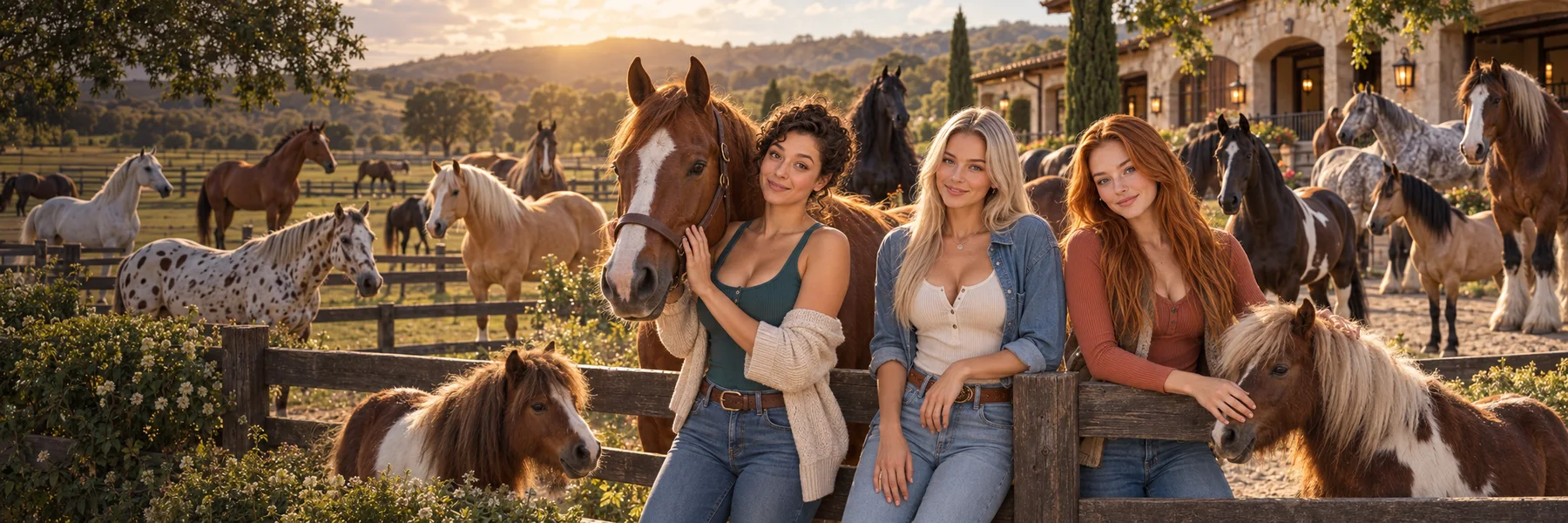
🐴 Horses are the largest animal most people will ever be responsible for, and the only one on this site that generally lives somewhere other than your home. That single fact — livery, grazing, transport, a farrier, a vet who travels — shapes the commitment more than breed or discipline does.
Breed matters for aptitude and temperament: a quarter horse for speed over short distances, an Anglo-Arabian for galloping, a cob for steadiness, a warmblood for jumping or dressage. But soundness, schooling and temperament in the individual animal matter far more than the label.
🕕 The commitment people underestimate is not the money, it is the twice a day. Something has to happen at both ends of every day — feeding, checking, mucking out, rugs on and rugs off, water that is not frozen — in the dark, in the rain, on Christmas morning and while you have flu. Either you do it, or you pay a yard to do it and lose the choice of when. This is why almost everyone sensible loans or shares a horse before buying one.
🌱 Grass is a feed, not scenery, and misunderstanding that is behind a great deal of equine illness. A hardy native or a draft type will get fat on grazing that would barely keep an Arabian going, and fat is the direct route to laminitis — so the good doers need their grazing restricted rather than supplemented. Spring grass is the dangerous kind.
🧲 Two more things worth knowing before looking at adverts. Horses are herd animals and genuinely deteriorate kept alone, so companionship is a requirement rather than a preference. And the feet need attention every four to eight weeks for life whether the horse is shod or barefoot, whether it is working or retired, and nothing about that schedule is flexible.
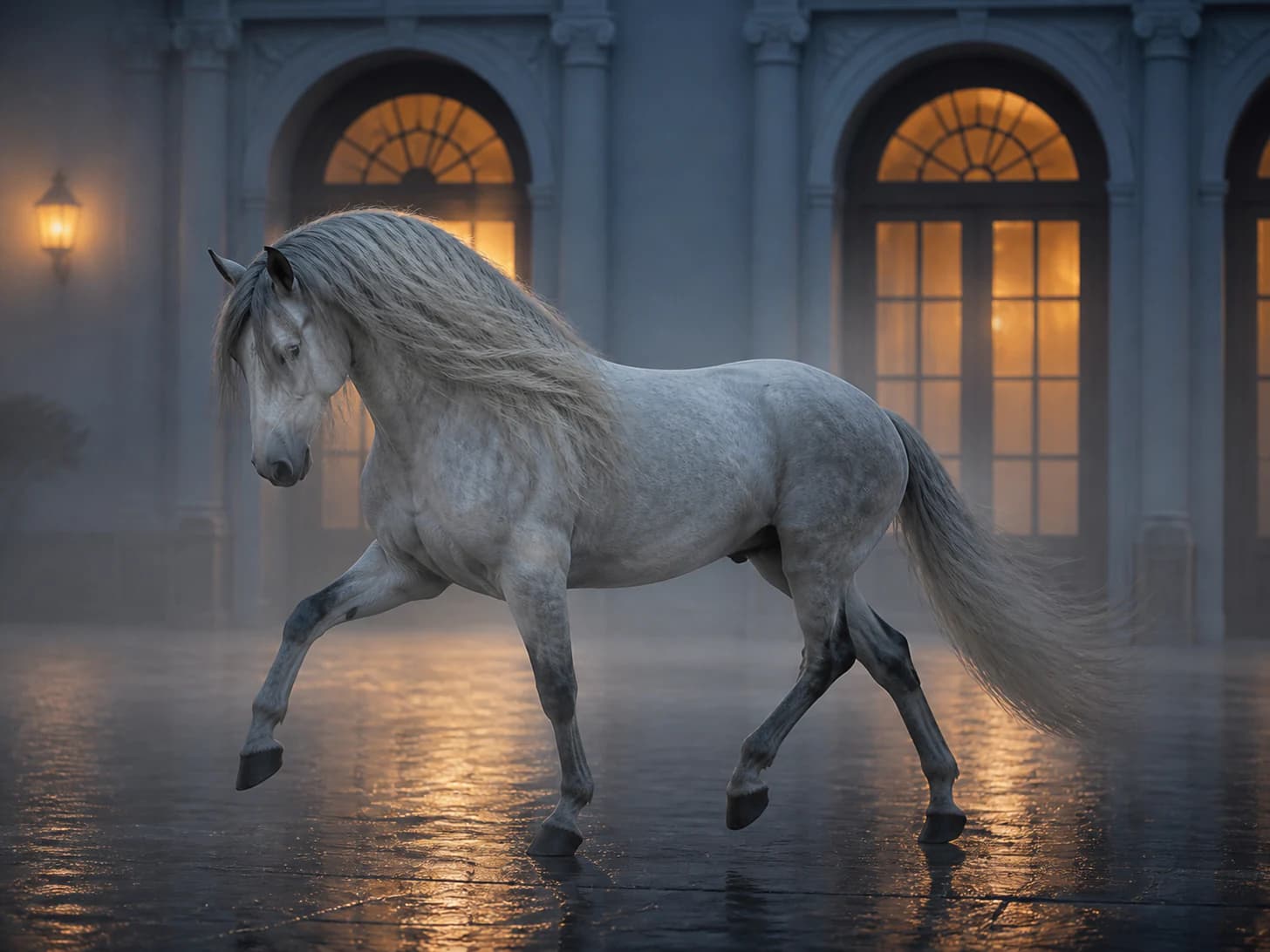

Duquesa waits for the yard to go quiet and the stones to go shiny, and only then shows off.
FrostyOtter · 6 days ago
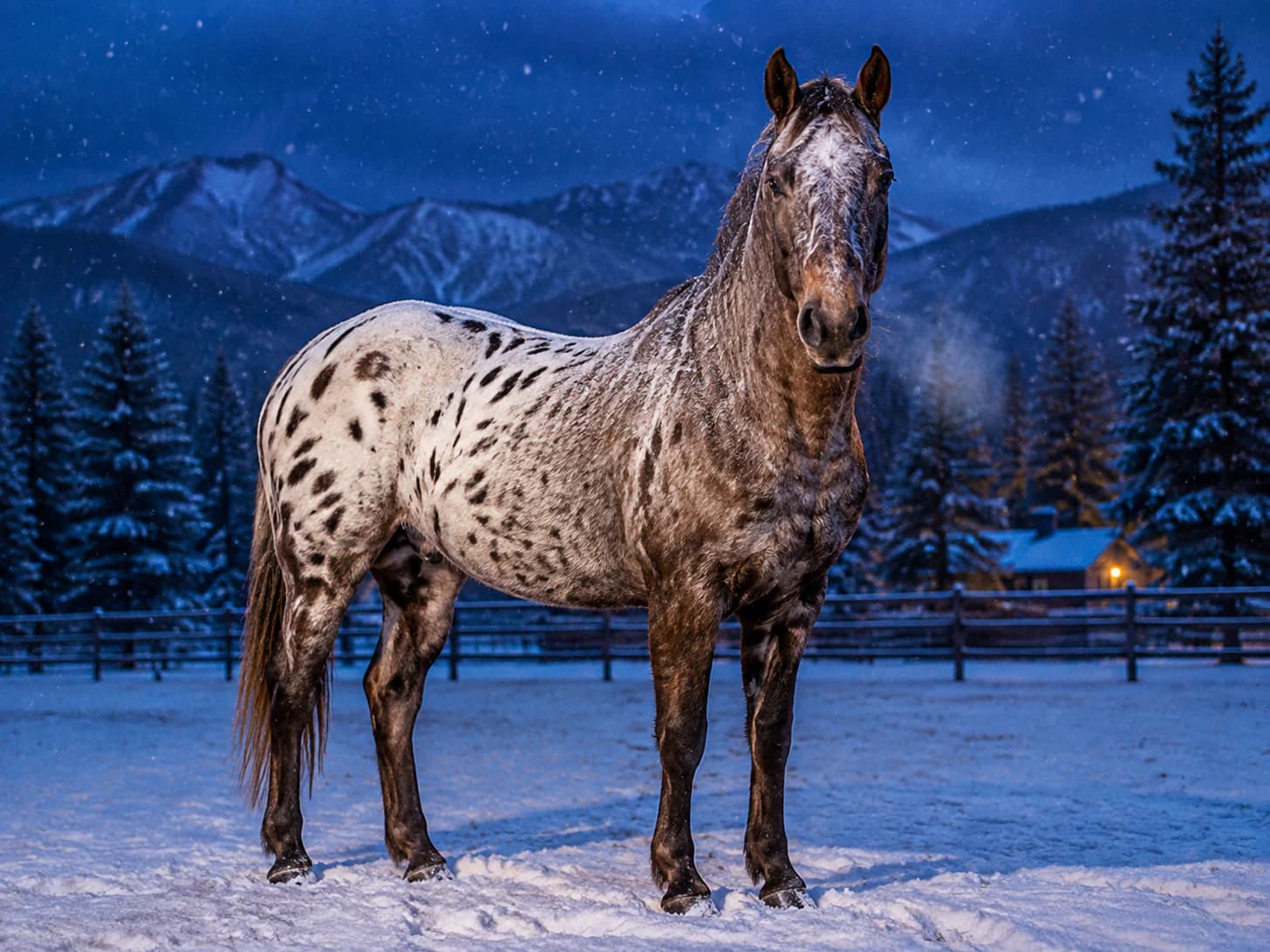
Frost stands out in it perfectly happily while the rest of us watch from the kitchen window.
FrostyOtter · 6 days ago
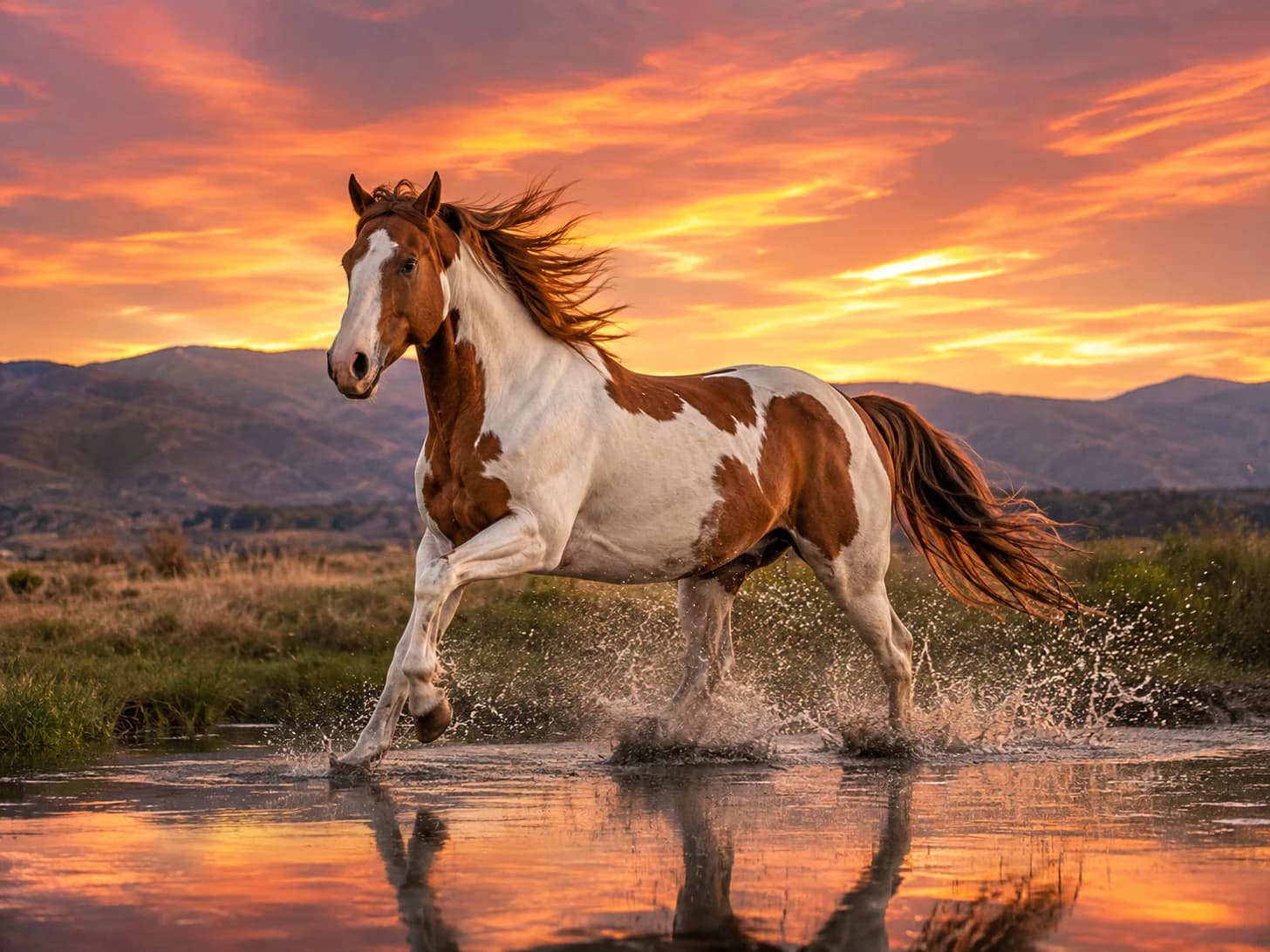
Willow crosses the shallow end at a trot every evening, mostly for the splash.
FrostyOtter · 6 days ago
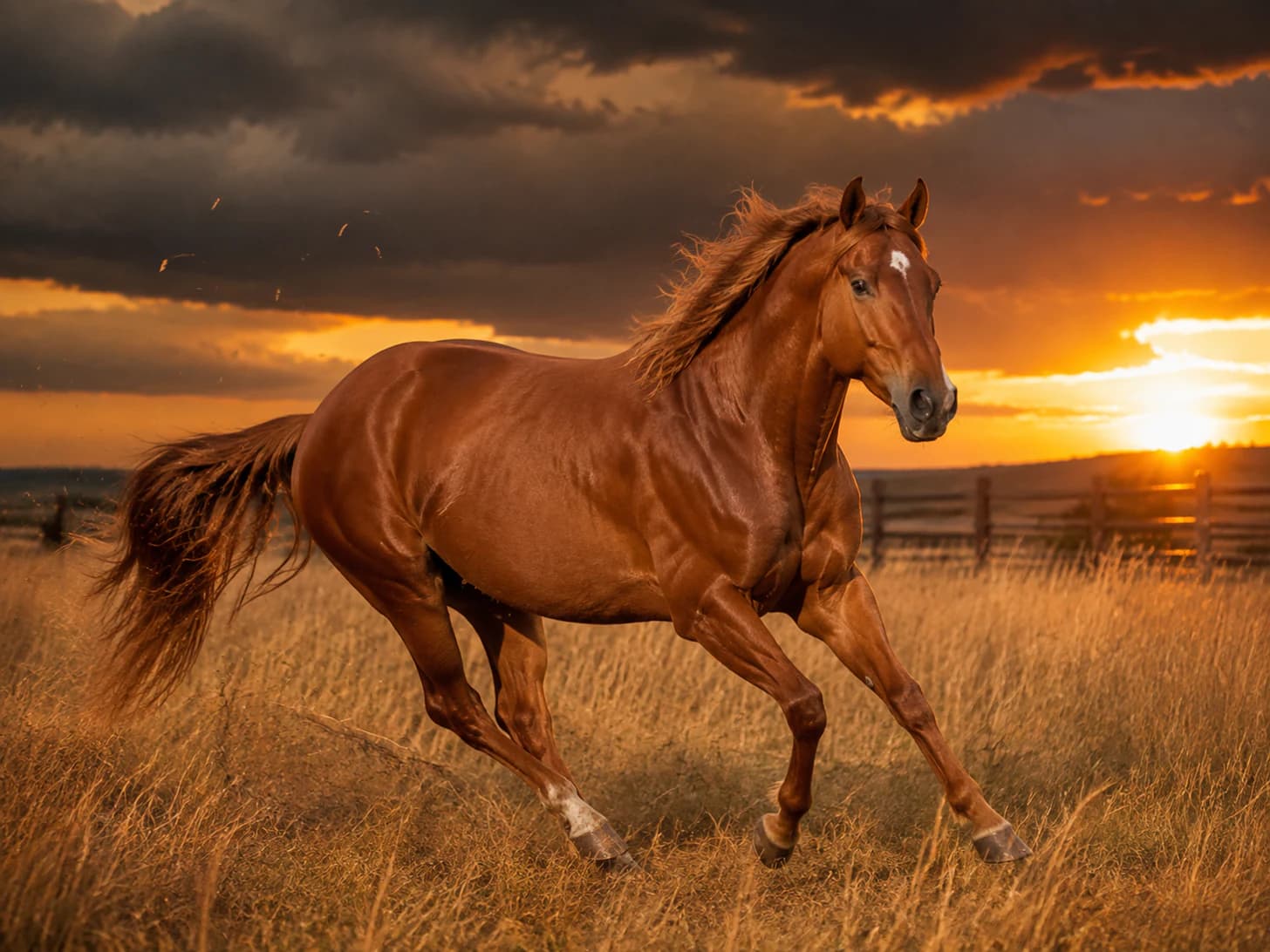
Chief runs the whole field when the sky goes like that, and comes back extremely pleased with himself.
FrostyOtter · 6 days ago
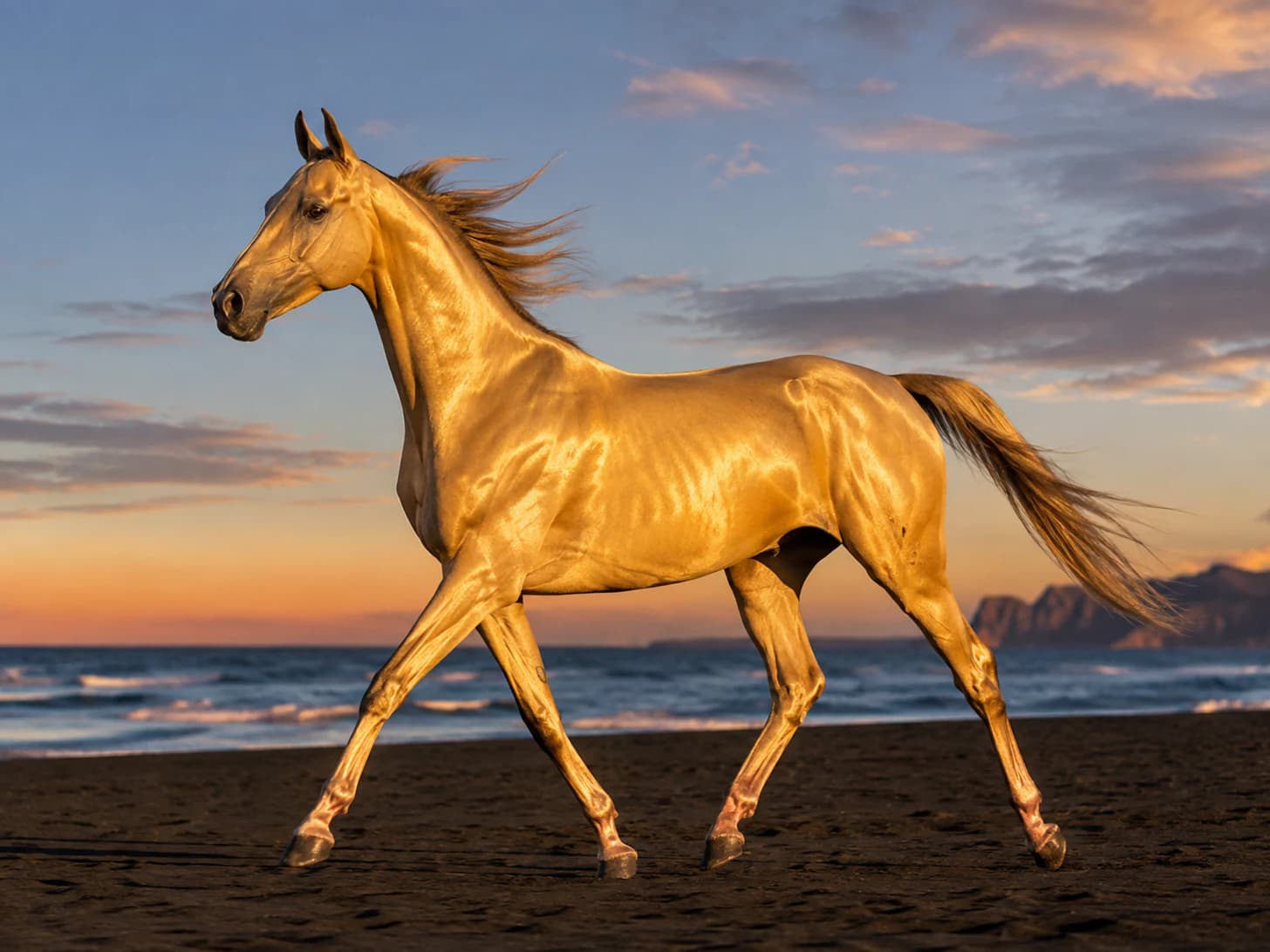
Zephyr on the sand at last light. The coat really does that on its own.
FrostyOtter · 6 days ago
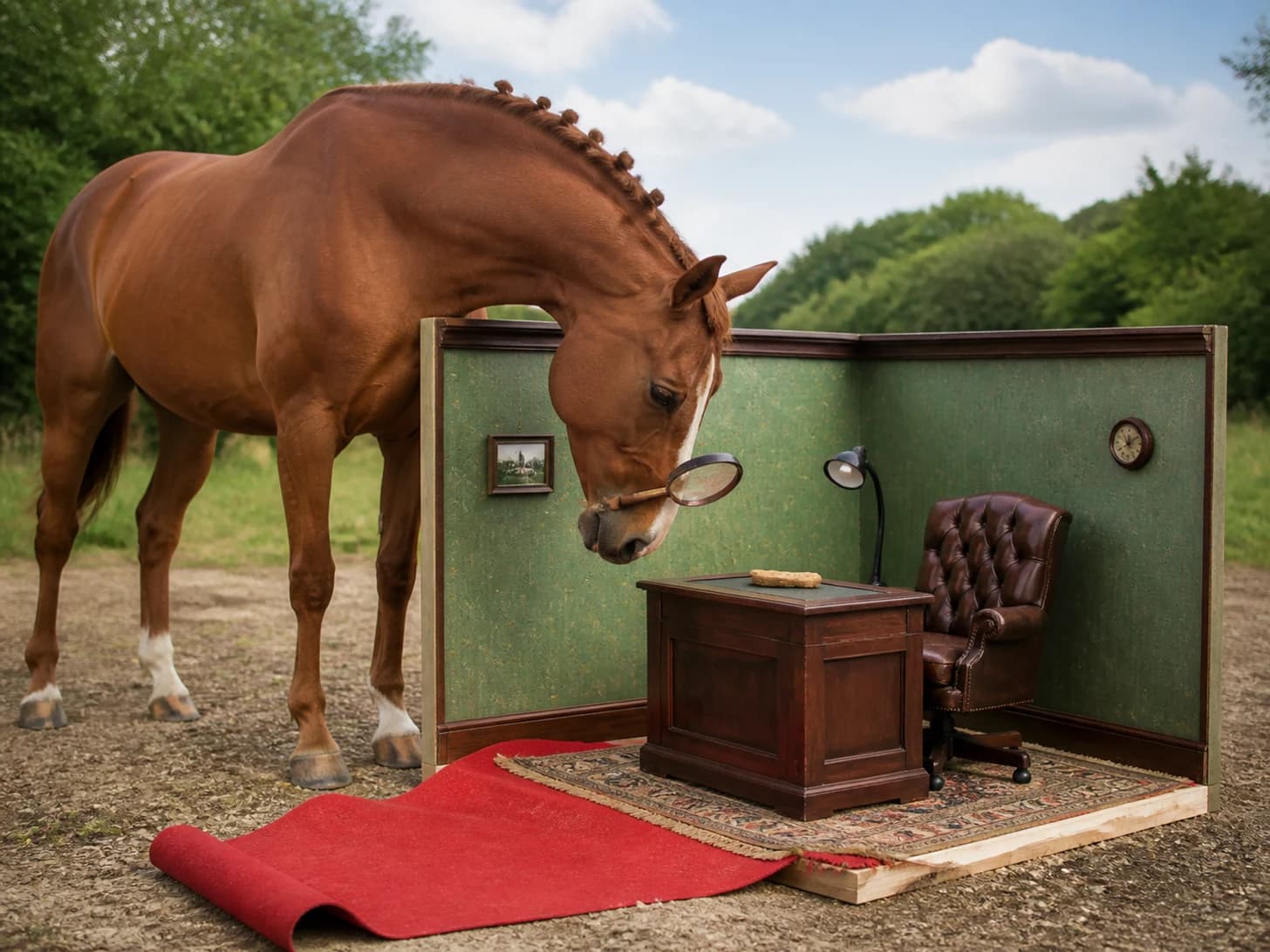
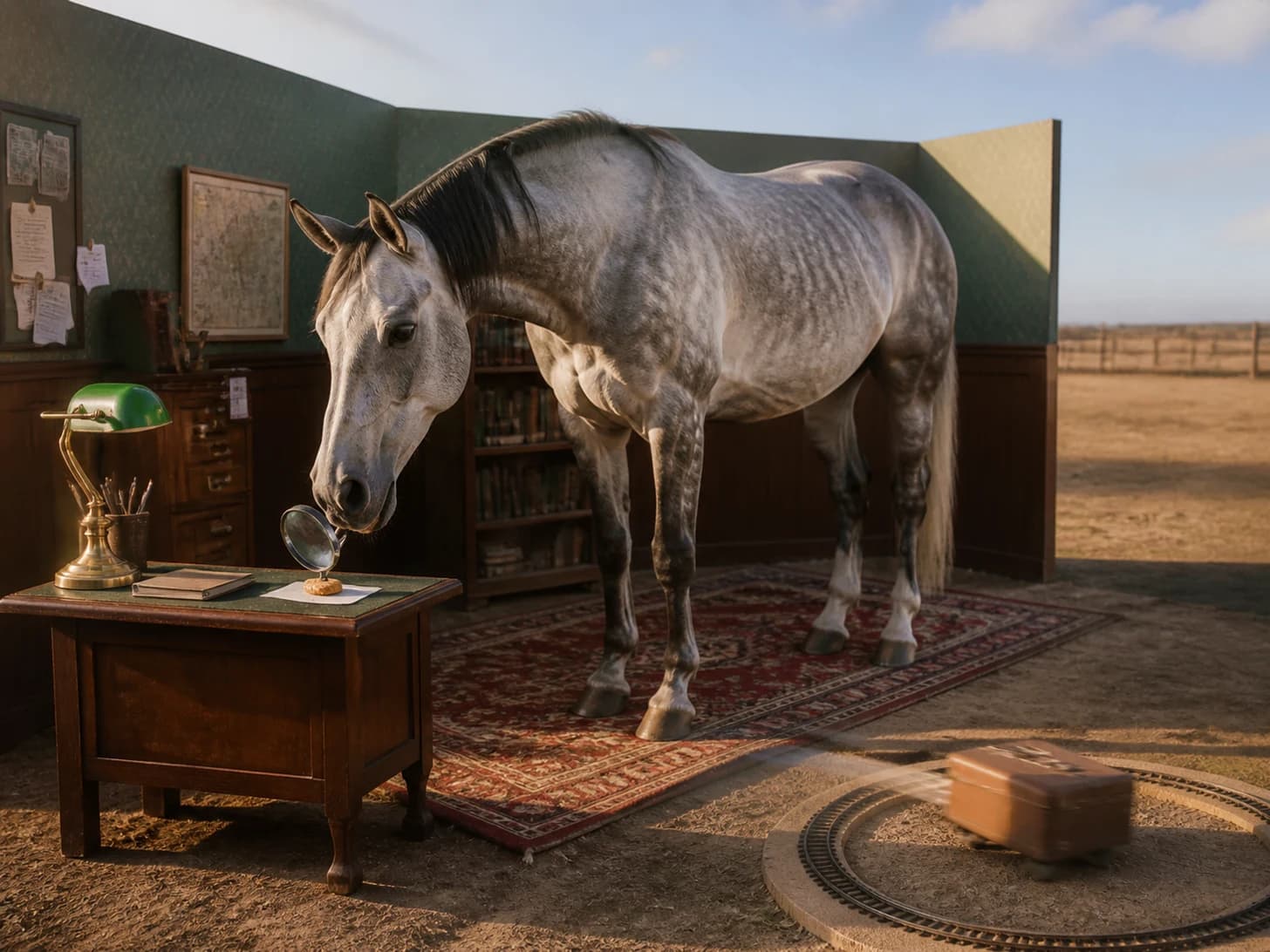
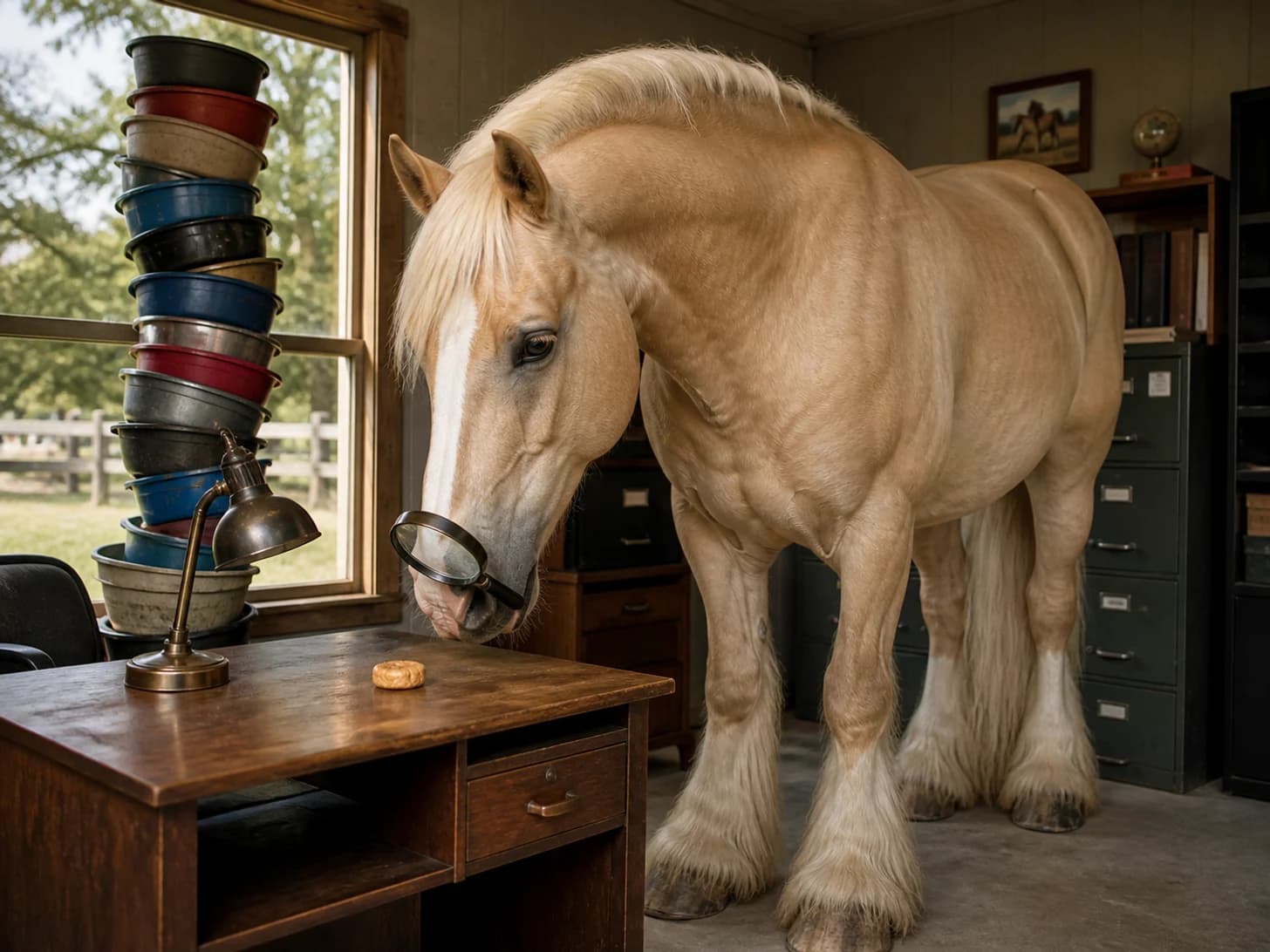
Sorrel has the glass on the biscuit, and the office she is doing it in has no walls to speak of.
FrostyOtter · 1 week ago
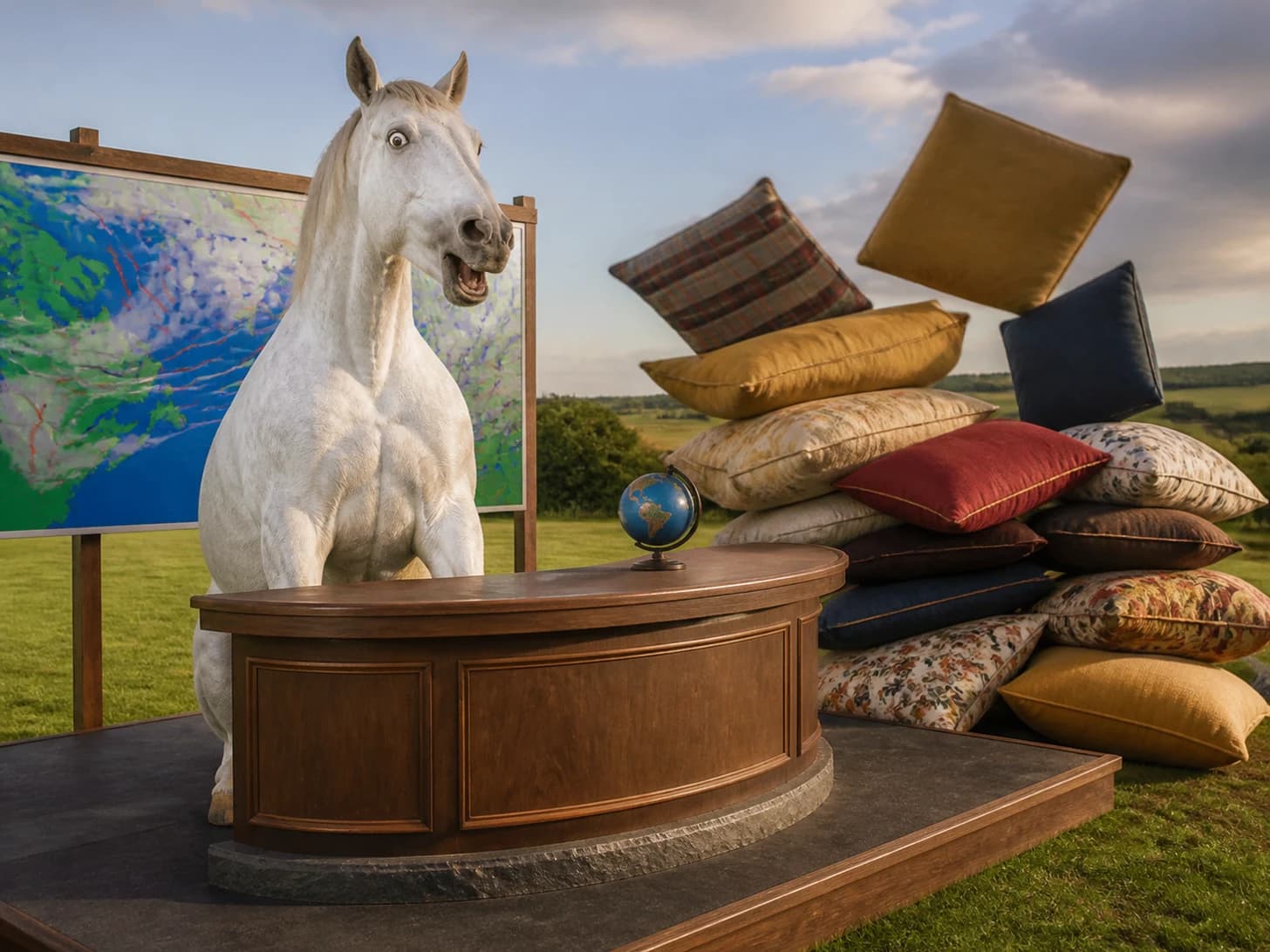
Umber gives the forecast and has clearly just read it herself. The cushion wall is coming down on the left.
FrostyOtter · 1 week ago
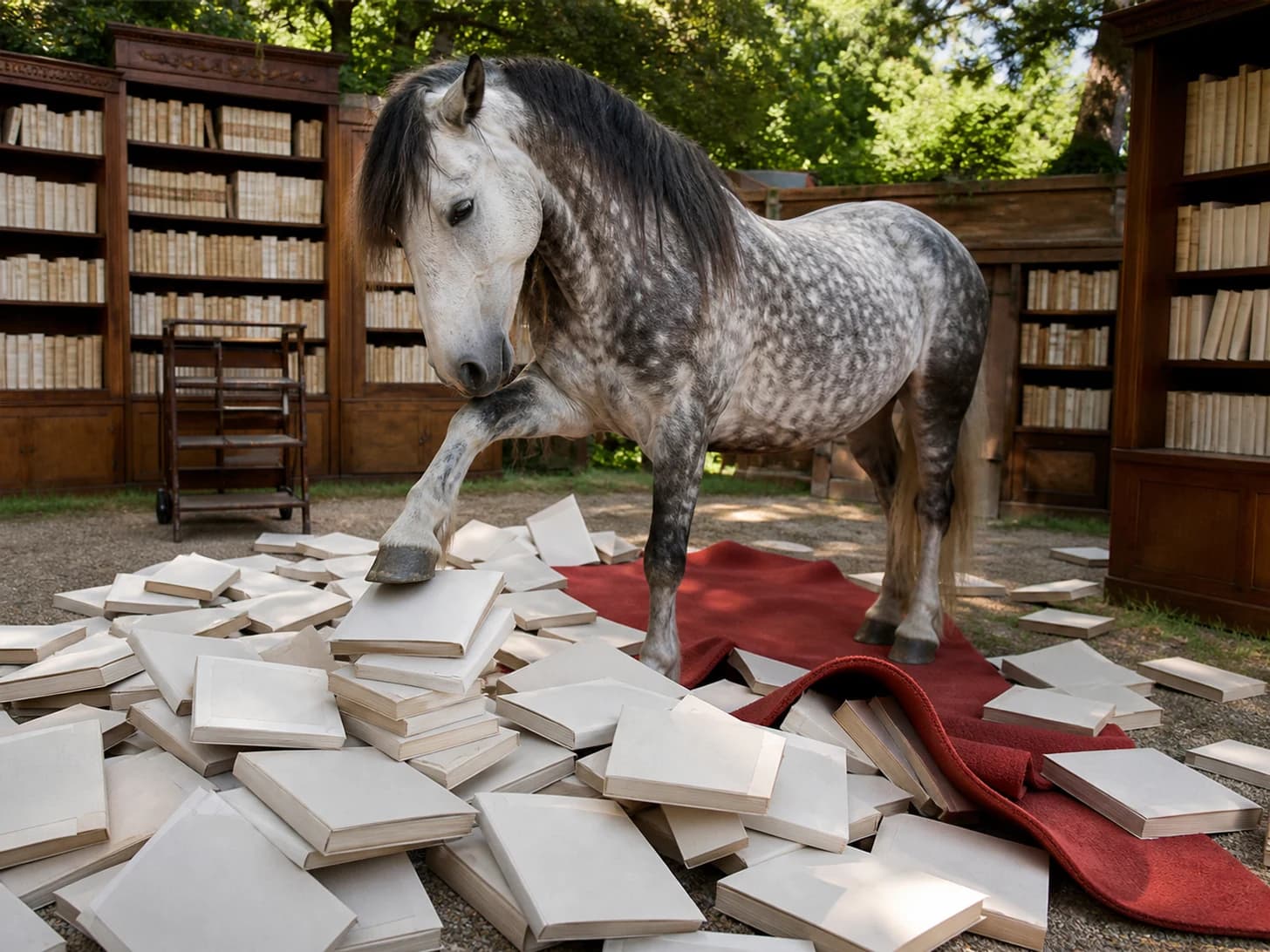
Noodle has one hoof on the top book and the rest of the library on the floor. She is not apologising for it.
FrostyOtter · 1 week ago
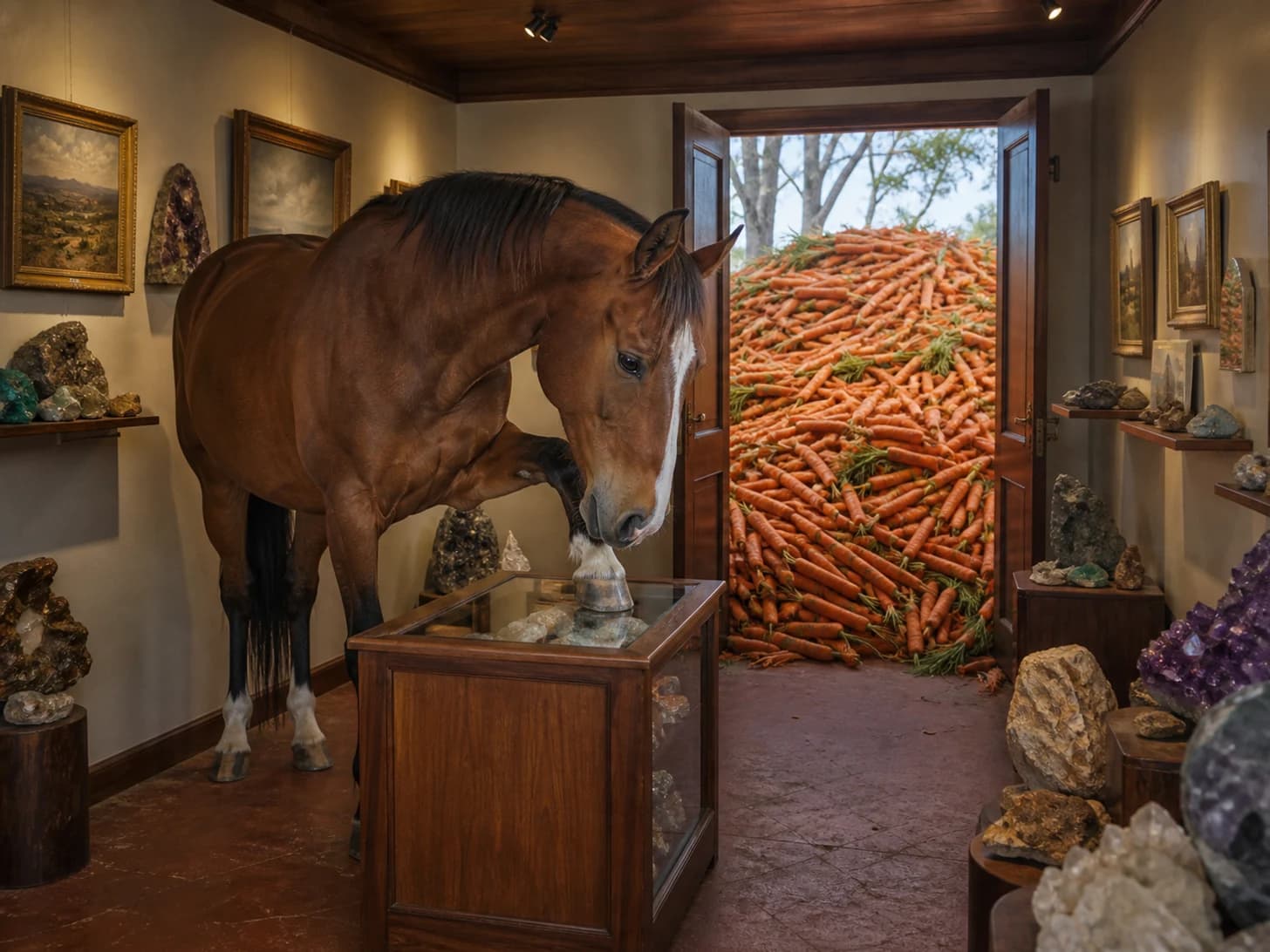
Zinnia curates the mineral collection and the case under glass is hers. Somebody has blocked the door with carrots.
FrostyOtter · 1 week ago
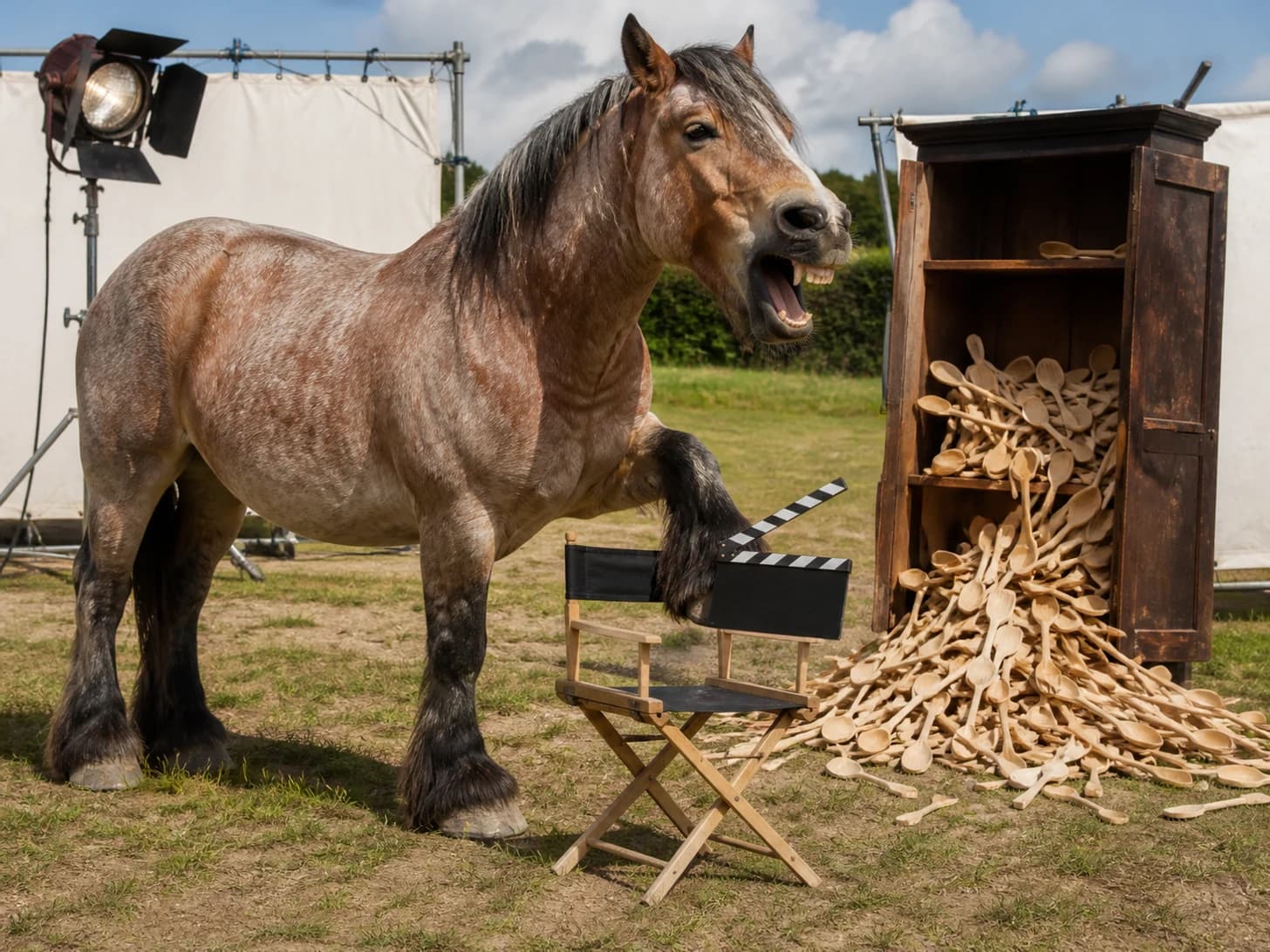
Barley is calling for quiet on set, and the entire spoon cupboard has come down behind her.
FrostyOtter · 1 week ago
General guidance, not veterinary advice. Anything about a specific animal is a question for a vet who has seen it.
A place to start rather than the whole list. Every name is a page.
The most numerous breed in the world, named for the quarter-mile it outruns anything over. Calm, versatile and strongly built, with a well-known set of testable muscle and skin genetic conditions.
Among the oldest recognisable breeds, and the stamina animal — endurance racing is effectively theirs. Small by modern sport-horse standards, long-lived, and intelligent enough to need a thinking rider.
The Iberian baroque horse: compact, powerful, famously trainable and the classical dressage type. Generally sensible temperament with a great deal of presence.
Spotted, and the spots come with genetics worth knowing: the leopard complex gene is linked to night blindness and to recurrent uveitis, which is the commonest cause of blindness in the breed.
One of the heaviest horses there is, and a reminder that draft breeds live shorter lives than lighter ones — eighteen to twenty-five years. Enormous feed bills and feathered legs that need watching for mud fever.
A stock horse registered on both bloodline and coat pattern, so it is a breed rather than merely a colour. Shares the quarter horse's temperament and its testable genetic conditions.
The subjects that come up on breed page after breed page, written out properly.
Heatstroke kills quickly and is entirely preventable. Which animals are at risk, the signs, and the cooling that current evidence actually supports.
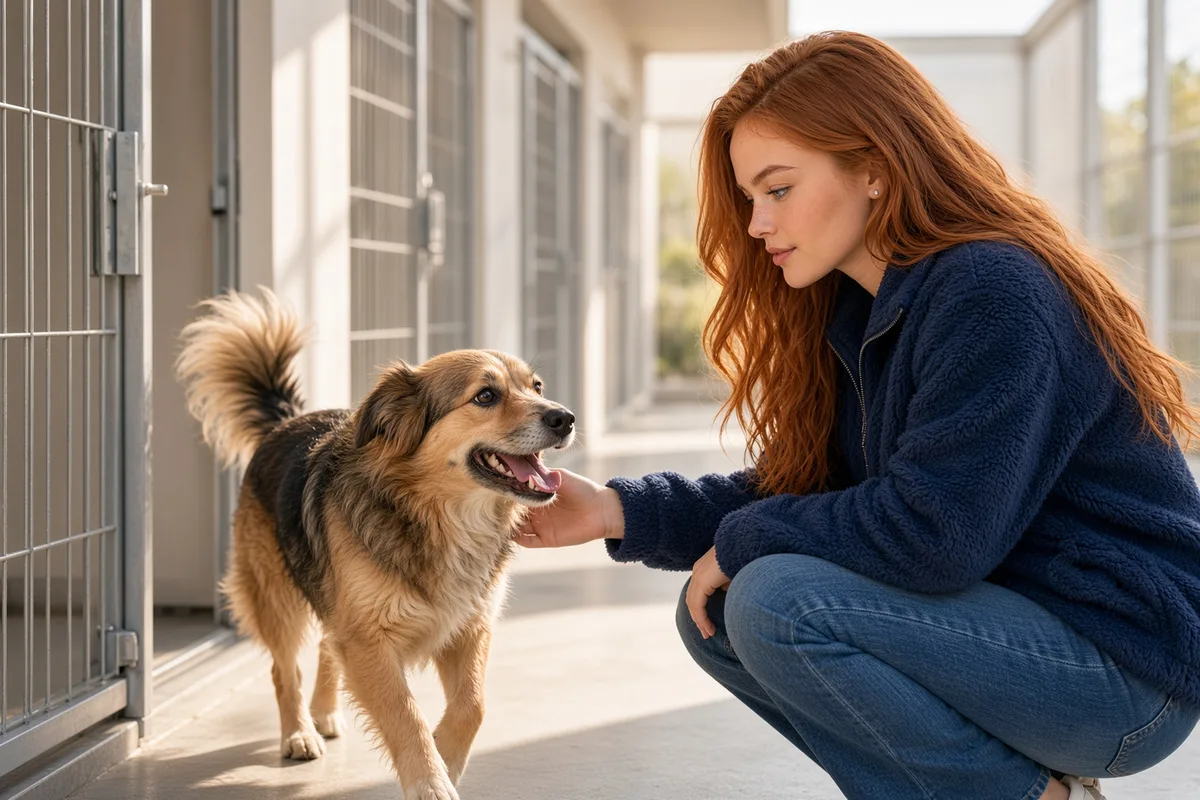
Rescue animals arrive without a history and settle on their own timetable. What decompression means, what the first three months look like, and what helps.
Every breed somebody has posted, A to Z.