Arabian
The Arabian is among the oldest recognisable horse breeds, developed by Bedouin tribes across the Arabian peninsula, where mares were prized war horses kept close to the family.
Nearly every modern light breed carries Arabian blood somewhere.
It stands 14.1 to 15.1 hands — small by modern sport-horse standards — with a dished face, large eyes set low, a short back and a high-set tail carried in motion. Many, though not all, have one fewer lumbar vertebra and one fewer pair of ribs than other horses. Arabians dominate endurance racing to the point that the sport is effectively theirs, and they are known for stamina, intelligence and a strong bond with people.
- Origin
- Arabian peninsula; one of the oldest breeds
- Height
- 14.1–15.1 hands
- Lifespan
- 25–30 years, often longer
- Build
- Dished face, short back, high tail carriage
- Best known for
- Endurance riding — the breed dominates the sport
- Health
- SCID, cerebellar abiotrophy and lavender foal syndrome — all testable
Related: Anglo-Arabian
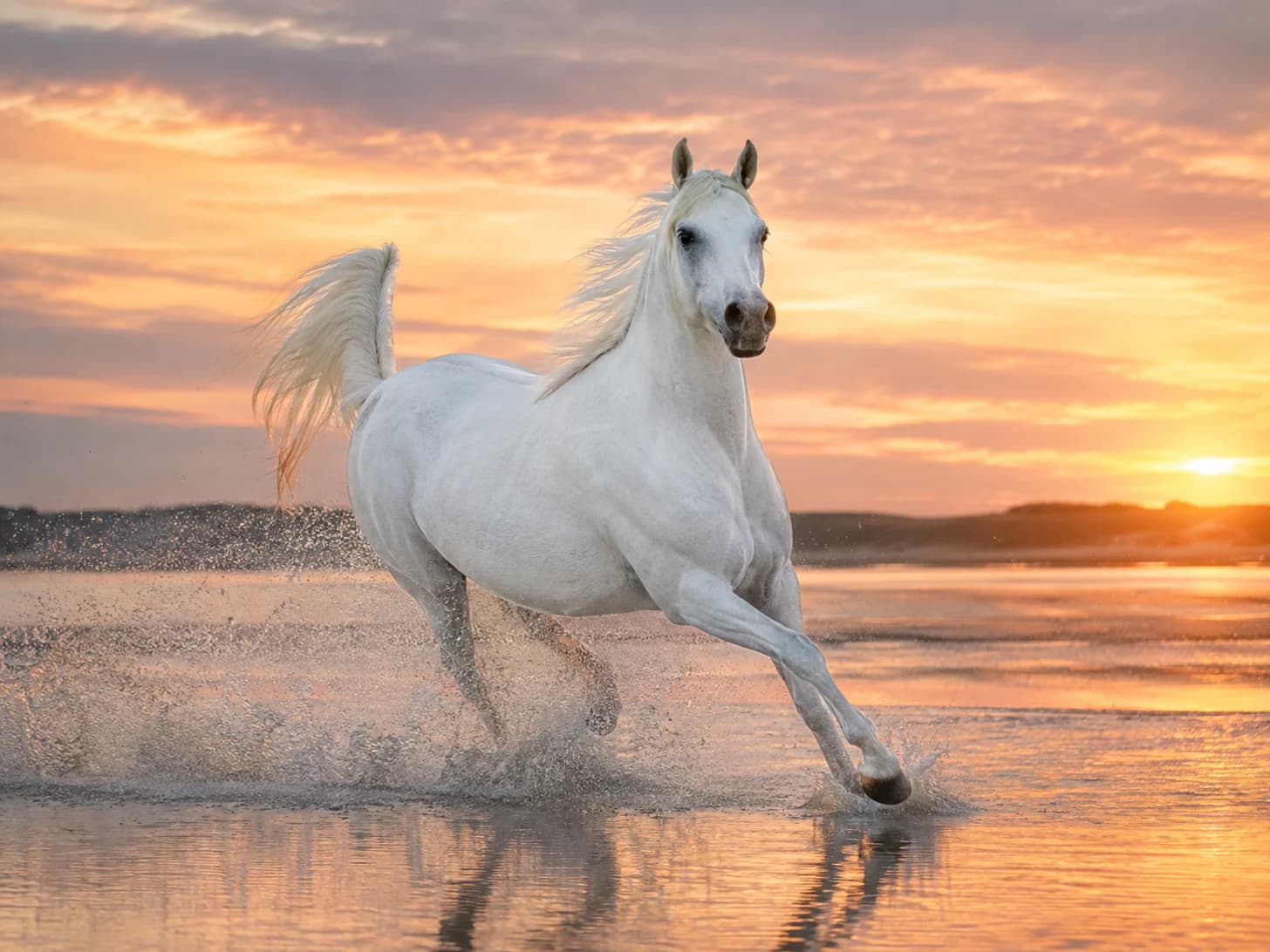
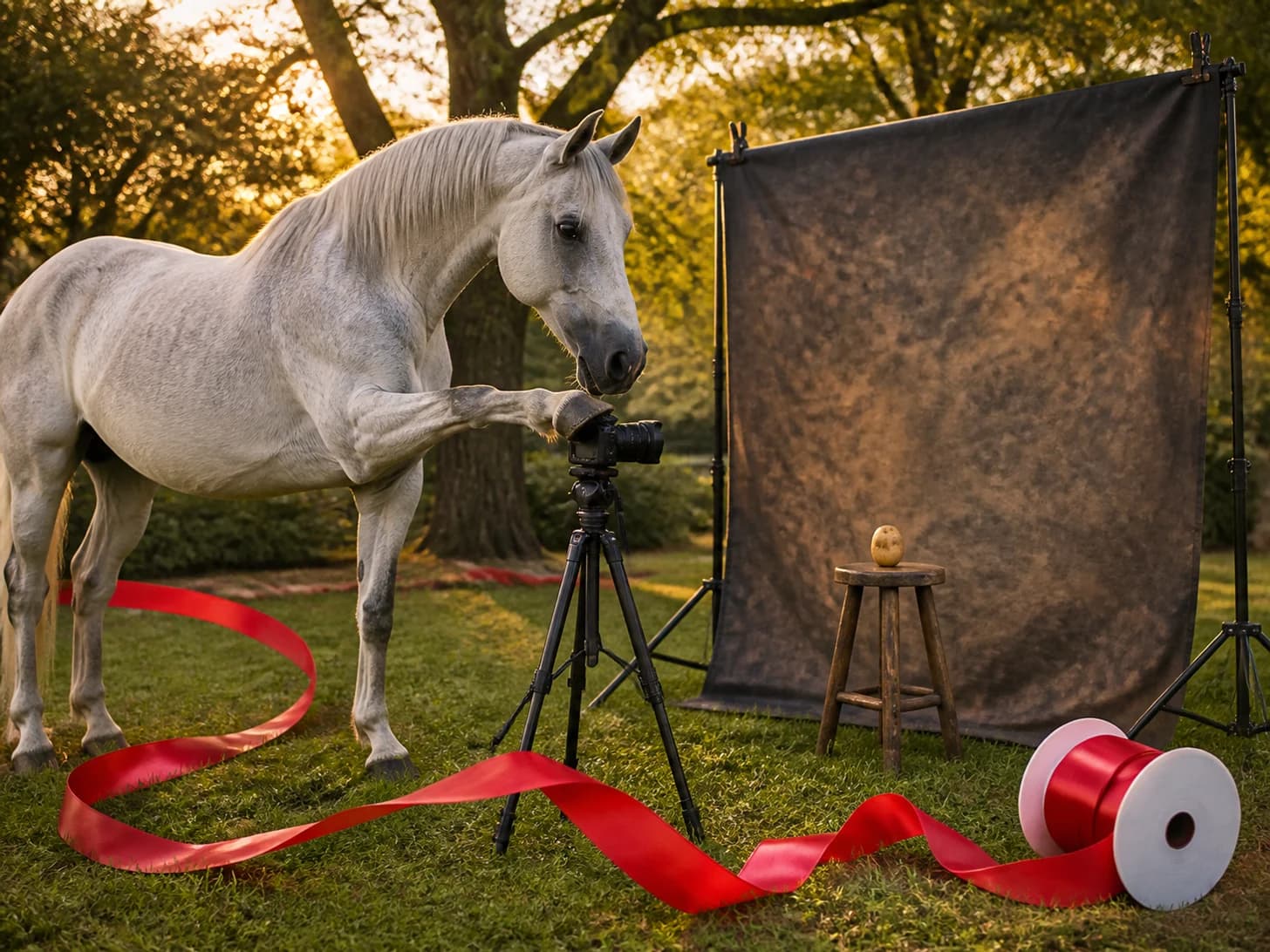
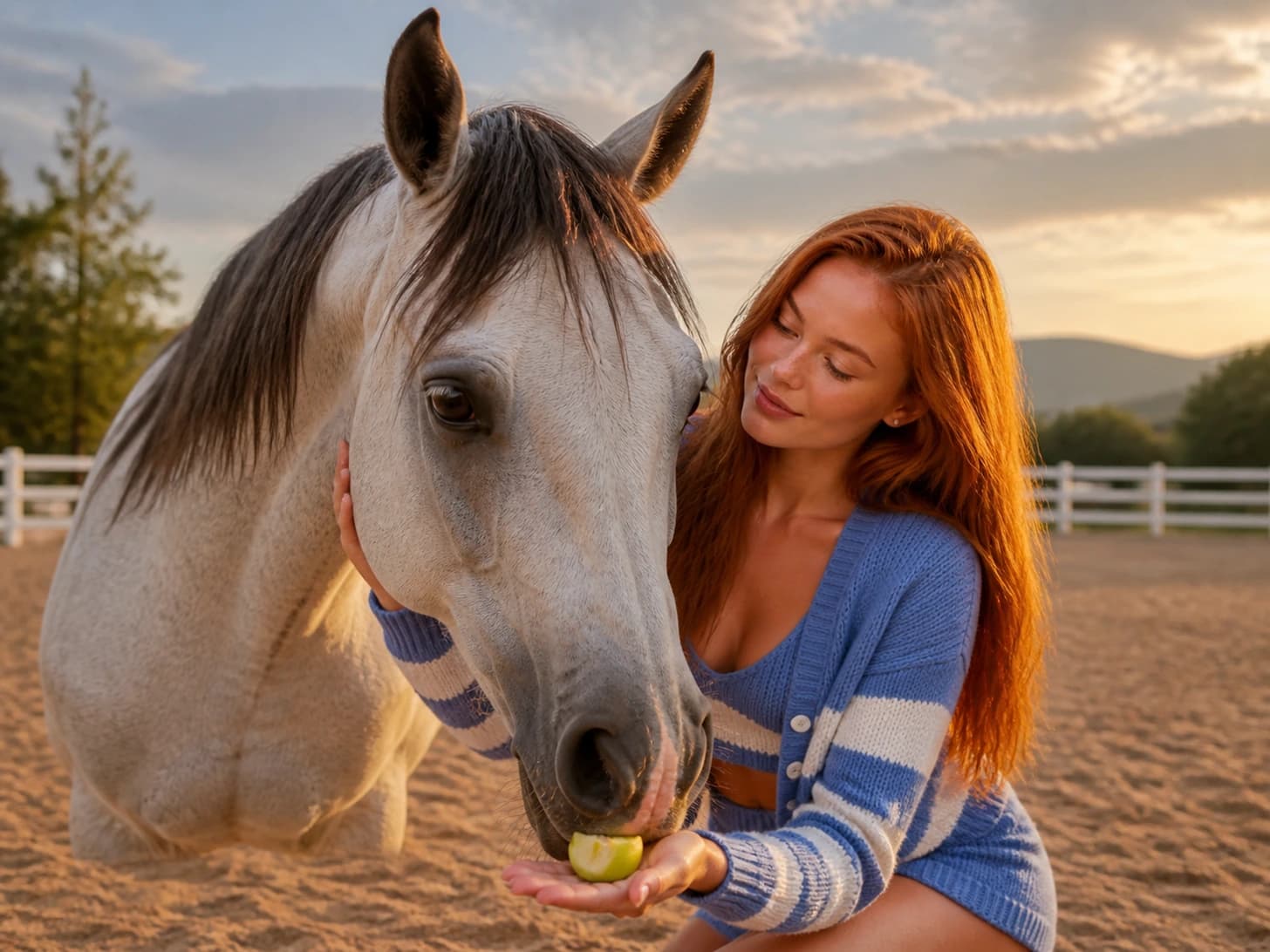
3 arabian photos, newest first

Living with a arabian
Three heritable conditions matter and all three have DNA tests. Severe combined immunodeficiency kills foals within months; cerebellar abiotrophy causes progressive incoordination from a few weeks old; lavender foal syndrome is fatal at birth. All are recessive, so a carrier is healthy — which is exactly why testing before breeding is the whole point.
Arabians are efficient feeders bred for desert scarcity, and they gain weight easily on good pasture. Grazing usually needs restricting.
They are sensitive and quick to learn, which cuts both ways: consistent, patient handling produces an exceptional horse, and rough handling produces a reactive one faster than in a colder-blooded breed.
The stamina is real but has to be built. Endurance conditioning takes years, not months.
Routine care is unremarkable — feet every six to eight weeks, dental checks, vaccination and worming to a plan.
General guidance, not veterinary advice. Individual horses vary, and anything about a specific animal is a question for a vet who has seen it.
Worth reading alongside this
More horses by breed
Every horse breed somebody has posted a photo of.