American warmblood
The American Warmblood is a sport horse registry rather than a closed breed.
It accepts horses of warmblood or warmblood-cross breeding — European warmbloods, Thoroughbreds, Arabians and their crosses — that pass an inspection judged on conformation, movement and jumping ability rather than on pedigree alone.
Horses stand 15 to 17 hands and are built for dressage, showjumping and eventing: uphill, athletic, with good bone and a rideable temperament. Because it is a performance registry, the type varies considerably more than in a closed studbook, and two American Warmbloods may have very little in common on paper.
- Origin
- United States; a performance registry, not a closed breed
- Height
- 15–17 hands
- Lifespan
- 25–30 years
- Build
- Sport horse type — uphill, athletic, good bone
- Best known for
- Dressage, showjumping and eventing
- Registration
- By inspection on conformation and movement
Related: American cream draft · American paint horse · American quarter horse · American saddlebred
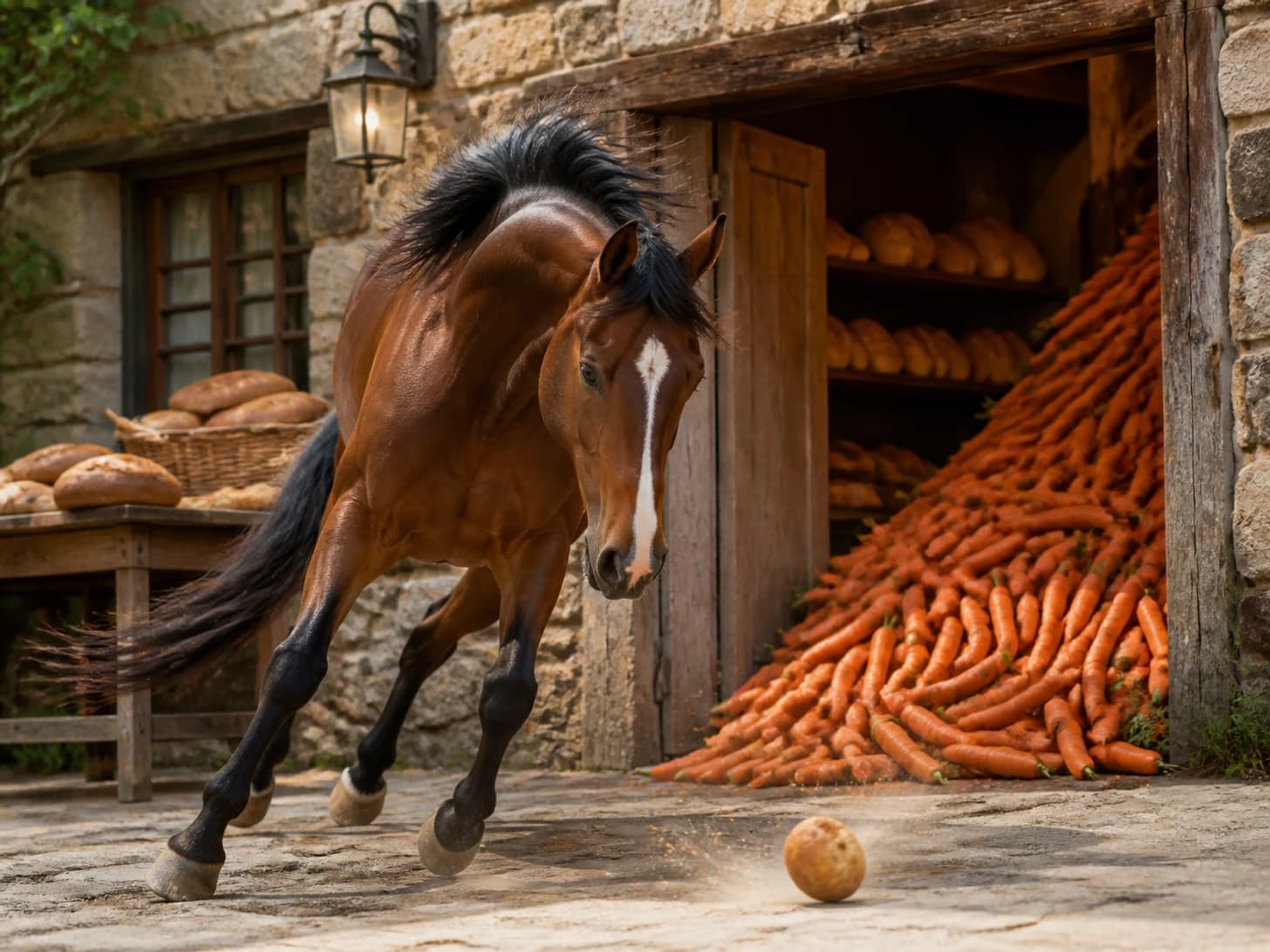
2 american warmblood photos, newest first


Living with a american warmblood
Judge the individual, not the registry. Because admission is by inspection rather than pedigree, the label tells you a horse passed a standard, not what it is bred from. Ask for the actual breeding and the inspection score.
These are competition horses and most of their health issues are workload issues: tendon and suspensory injuries, hock and stifle arthritis, back soreness. Good footing, sensible conditioning and a saddle that genuinely fits prevent more than any supplement.
Warmbloods are often big and slow to mature. Pushing a three-year-old at work meant for a six-year-old is the commonest way they break down.
Many are moderate keepers rather than easy ones and need real feed to hold condition in work.
Gastric ulcers are common in competition horses. A horse that is girthy, picky or grumpy in work is worth scoping.
General guidance, not veterinary advice. Individual horses vary, and anything about a specific animal is a question for a vet who has seen it.
More horses by breed
Every horse breed somebody has posted a photo of.