Anglo-Arabian
The Anglo-Arabian is a cross of Thoroughbred and Arabian, bred deliberately for the combination: the Thoroughbred's size, scope and galloping speed with the Arabian's soundness and stamina.
France has bred them systematically since the nineteenth century and remains the centre of the type.
It stands 15.2 to 16.3 hands, taller than an Arabian and more substantial than most. Registries require a minimum proportion of Arabian blood — commonly 12.5 per cent — and permit Anglo-Arab to Anglo-Arab breeding, so the type breeds fairly true. It is a serious eventing and showjumping horse, and it inherits the intelligence of both parent breeds.
- Origin
- France, from Thoroughbred and Arabian crossing
- Height
- 15.2–16.3 hands
- Lifespan
- 25–30 years
- Build
- Athletic and rangy, straighter profile than an Arabian
- Best known for
- Eventing, showjumping and dressage
- Health
- May carry Arabian genetic conditions — test before breeding
Related: Arabian
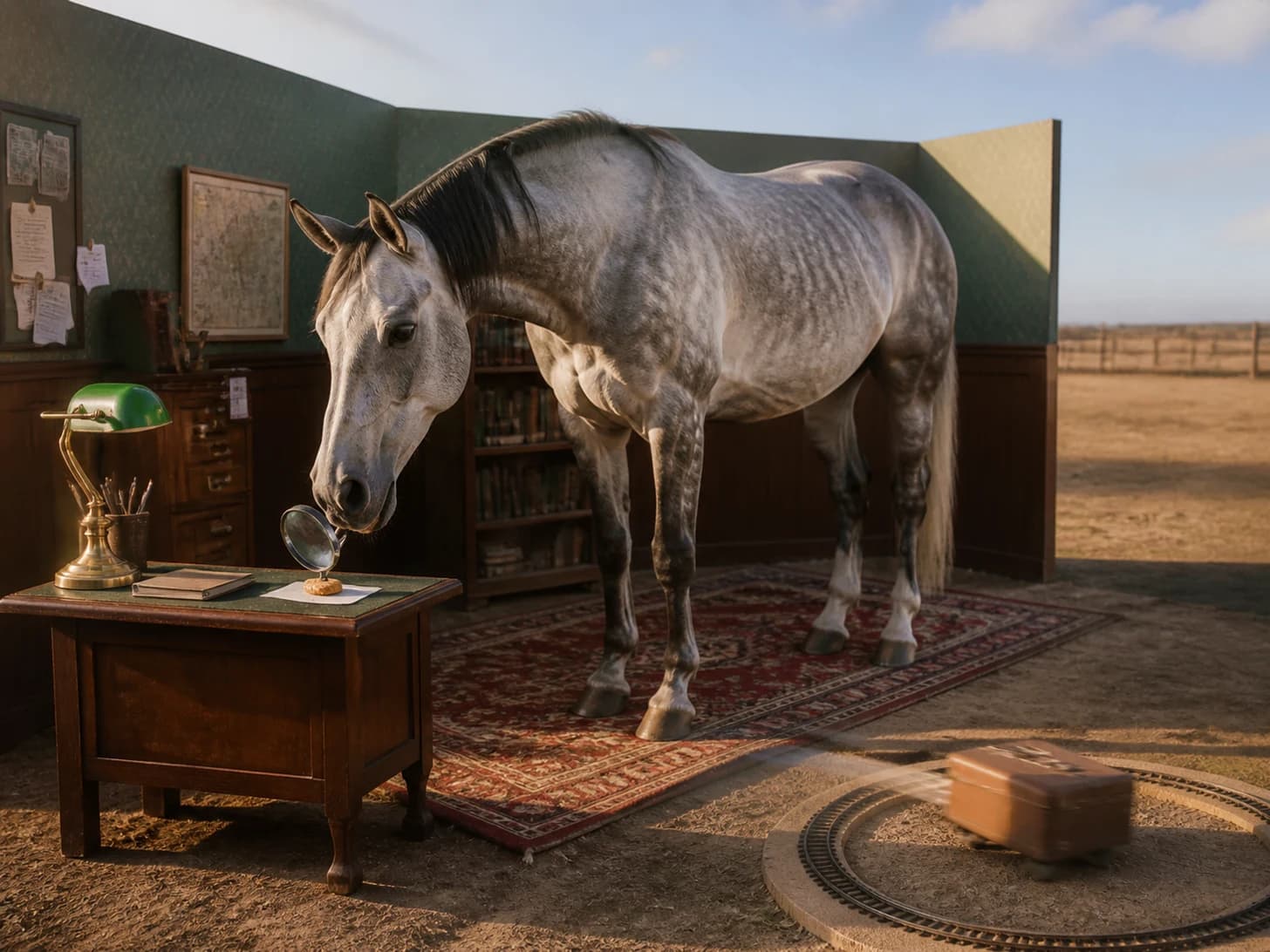
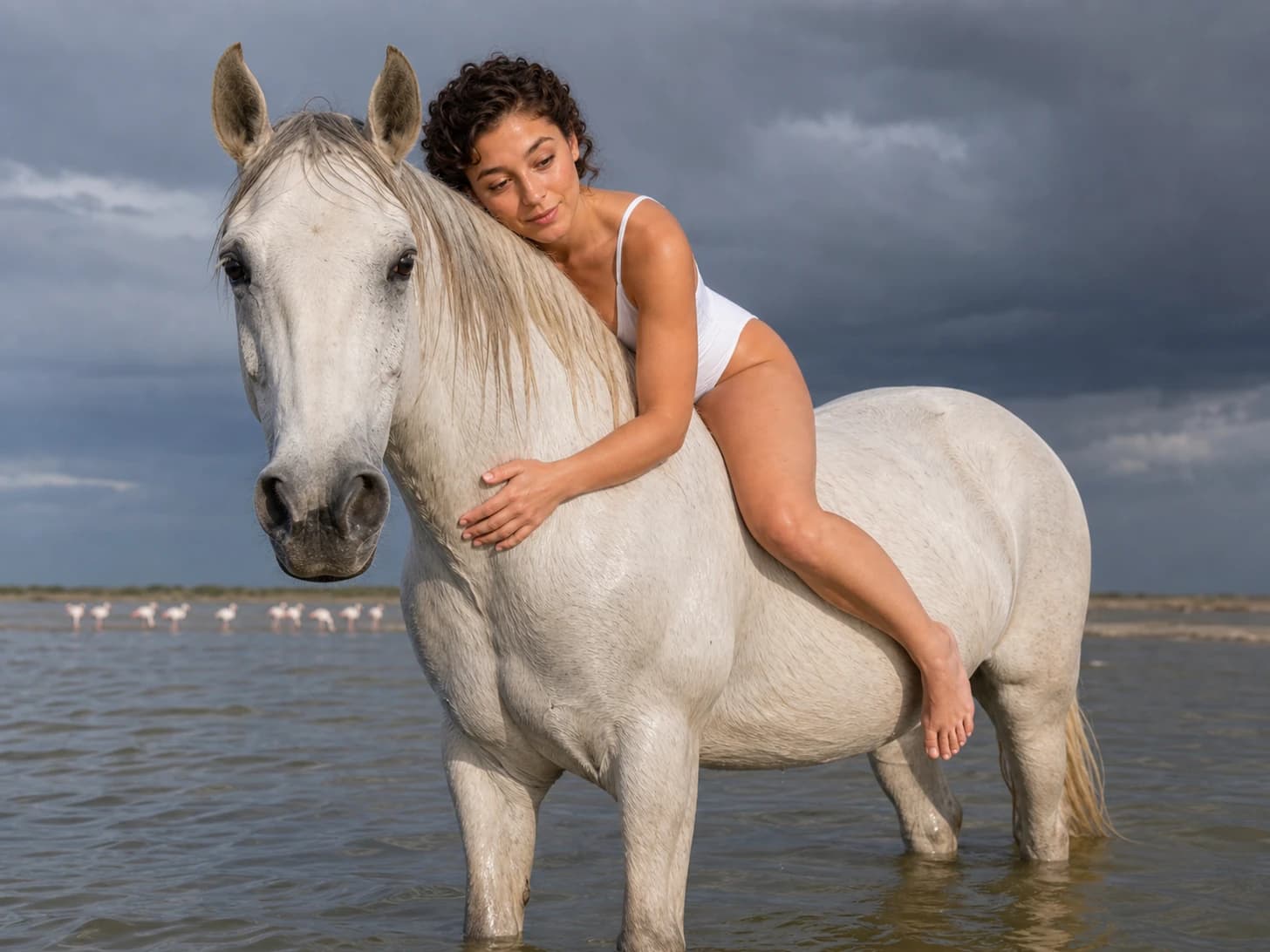
2 anglo-arabian photos, newest first

Living with a anglo-arabian
Ask about the Arabian-side genetic tests. An Anglo-Arabian can carry SCID, cerebellar abiotrophy or lavender foal syndrome from its Arabian ancestry, and reputable breeders test.
These are athletic horses with real energy and they need a job. An Anglo-Arabian in a field with nothing to do becomes a difficult horse, and the intelligence that makes them quick to train makes them quick to invent problems.
Feeding sits between the parent breeds: more forgiving than a Thoroughbred, less thrifty than an Arabian. Condition-score regularly rather than feeding to a rule.
They have good bone and are generally sound, but eventing at height is hard on tendons and joints — conditioning and good footing do more for longevity than anything else.
Standard routine care: farrier every six to eight weeks, annual dentistry, vaccination.
General guidance, not veterinary advice. Individual horses vary, and anything about a specific animal is a question for a vet who has seen it.
Worth reading alongside this
More horses by breed
Every horse breed somebody has posted a photo of.