Belgian draft
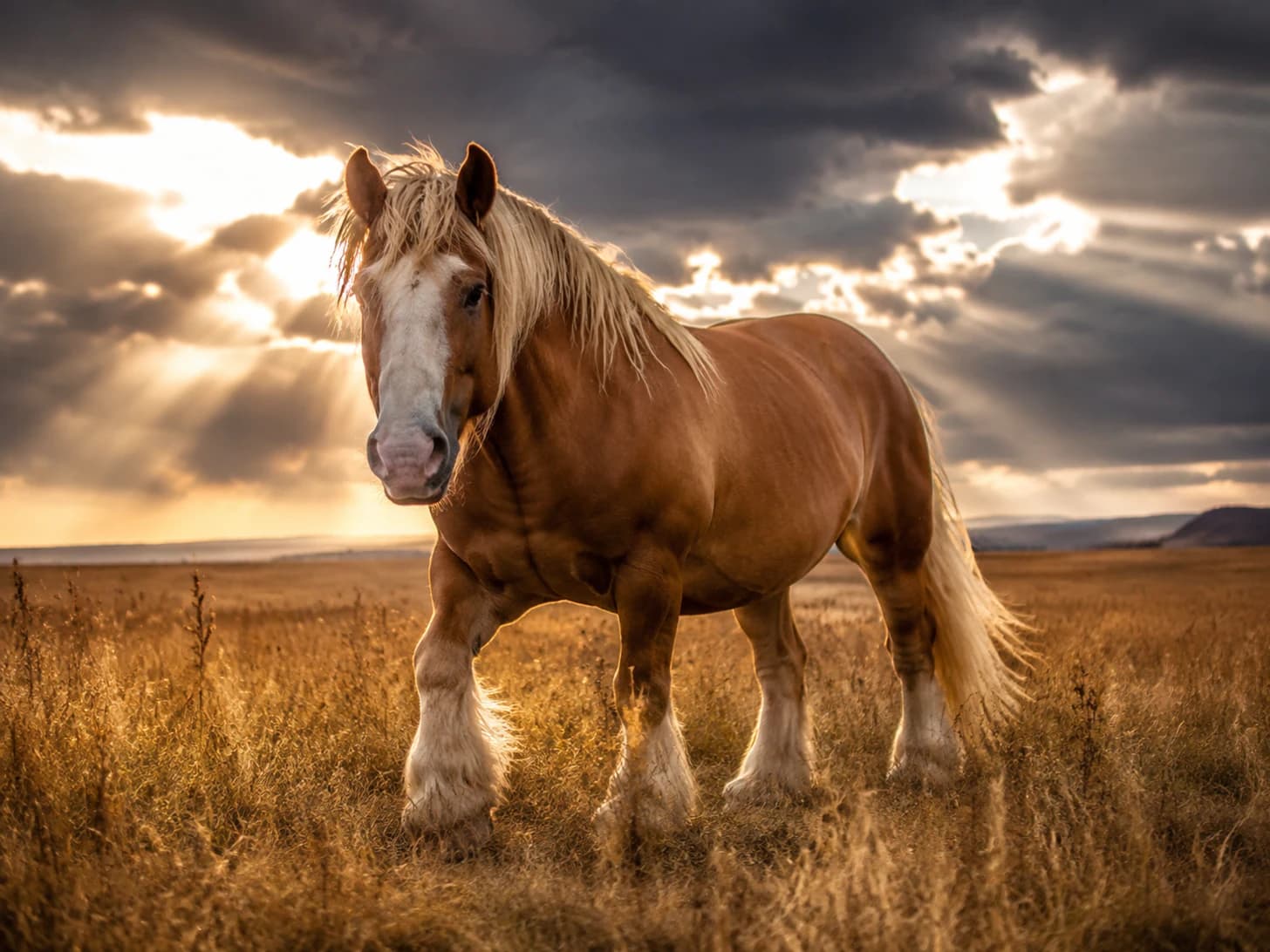
The Belgian is one of the great heavy draft breeds, developed from the Brabant of Belgium and refined in the United States into a taller, lighter-bodied, usually chestnut-and-flaxen horse.
It is now the most numerous draft breed in North America.
It stands 16 to 18 hands and commonly weighs 900 kilograms or more. Belgians hold most of the records for size: Big Jake, a Belgian gelding, stood 20.2¾ hands. They are enormously strong — draft pulling competitions are dominated by them — and they are famous for a gentle, phlegmatic temperament that makes an animal of that mass safe to be around.
- Origin
- Belgium, refined in the United States
- Height
- 16–18 hands
- Lifespan
- 18–25 years — shorter than lighter breeds
- Weight
- 900 kg and up
- Best known for
- Draft power and pulling; the largest horses on record
- Health
- JEB1, PSSM1 and chronic progressive lymphedema — JEB1 is testable
Related: Brabant · American cream draft
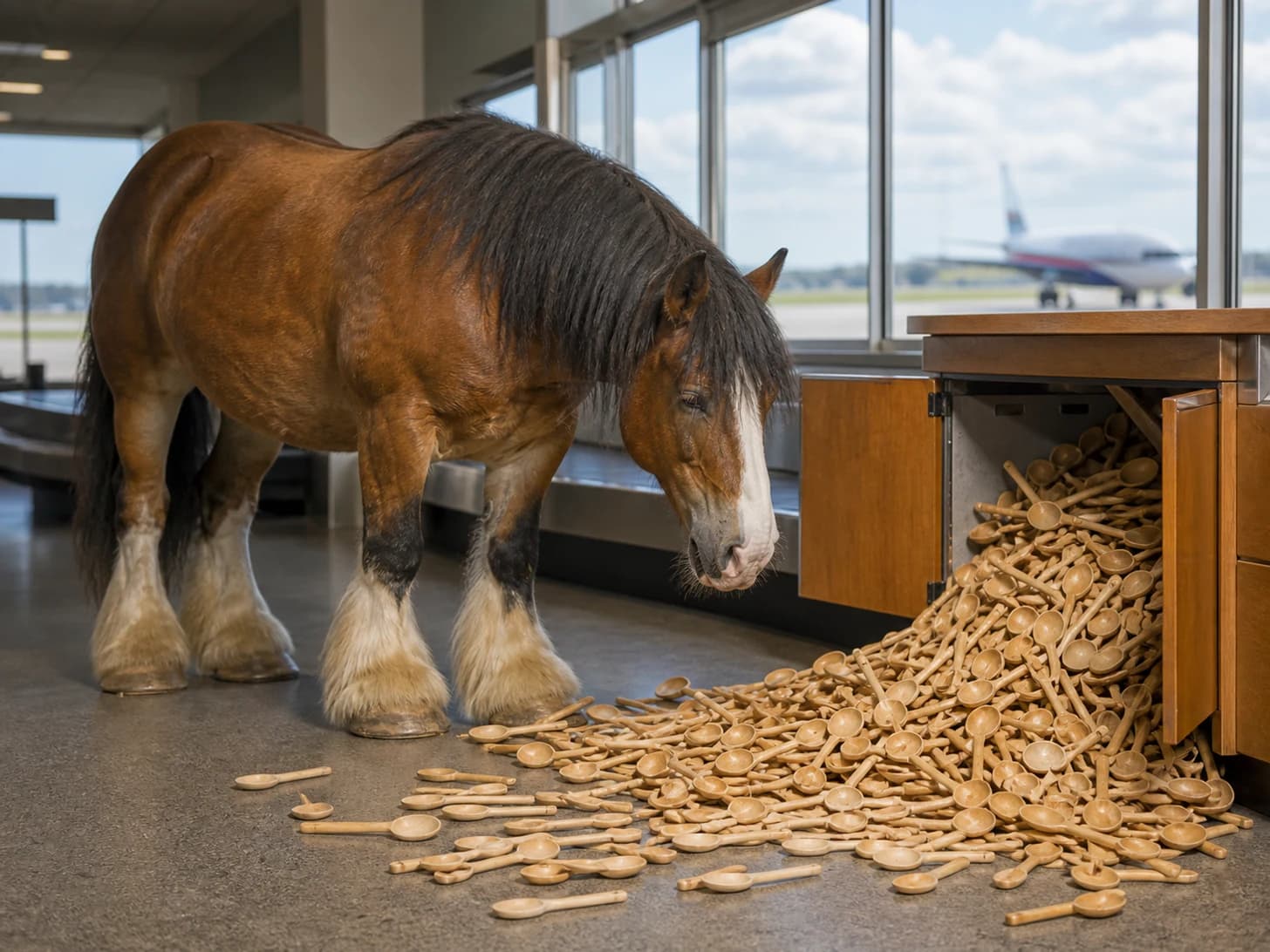
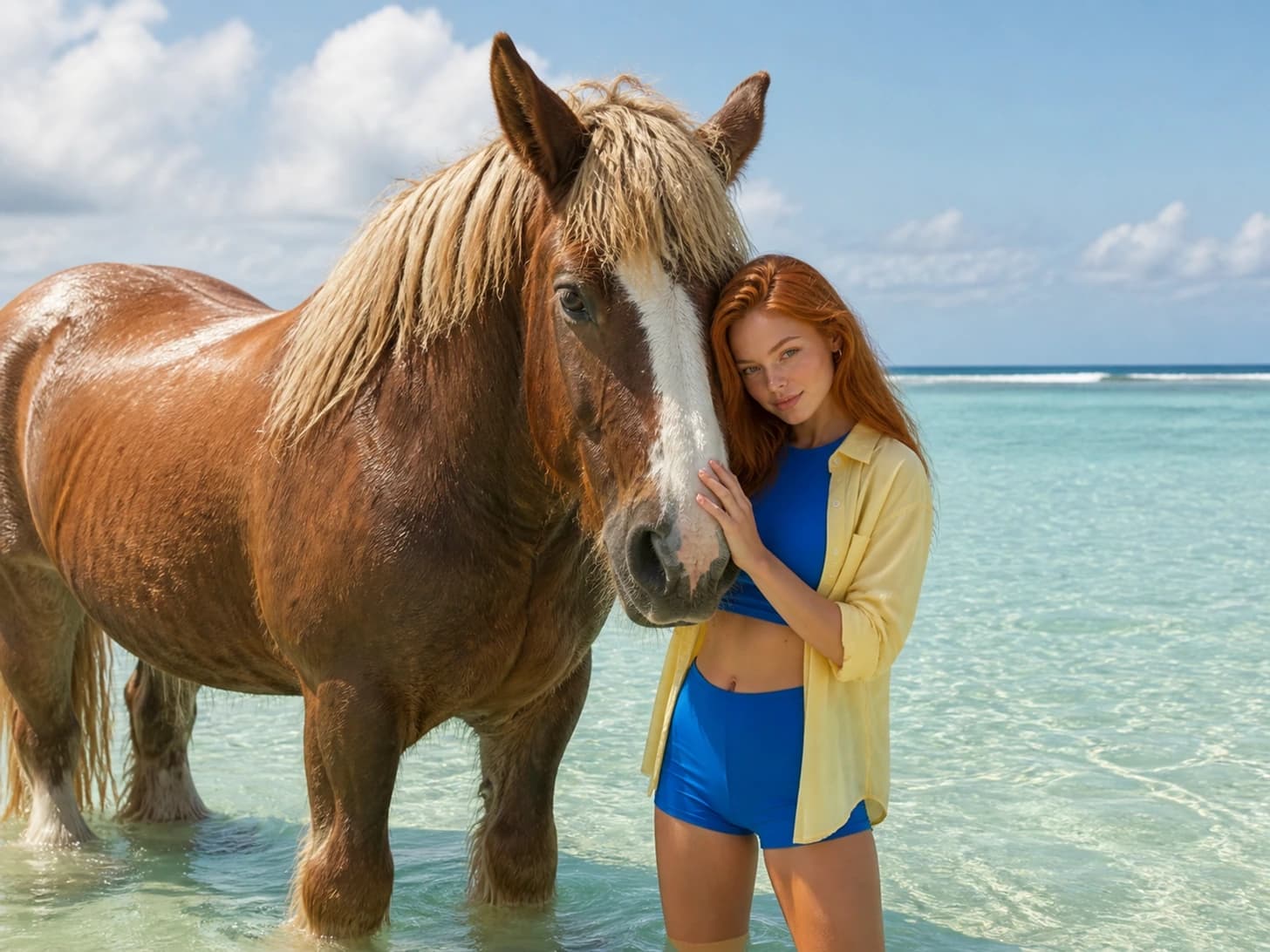
3 belgian draft photos, newest first

Living with a belgian draft
Test for junctional epidermolysis bullosa before breeding. Foals with two copies are born with skin that sloughs away from pressure points and hooves that detach; the condition is invariably fatal and the foal is put down. A DNA test identifies carriers, which are entirely healthy.
Chronic progressive lymphedema affects the lower legs of heavy feathered drafts — swelling, thickened skin, folds and secondary infection. It cannot be cured, but clipping the feathers, keeping legs clean and dry, and daily management slow it considerably. Start looking early, because it is easier to manage than to reverse.
PSSM1 is common in drafts and responds to a low-starch, high-fat diet with consistent daily turnout and exercise.
Drafts are easy keepers and prone to obesity and laminitis on rich pasture despite their size.
Farriery is specialist work and expensive; budget for it, every six to eight weeks.
General guidance, not veterinary advice. Individual horses vary, and anything about a specific animal is a question for a vet who has seen it.
Worth reading alongside this
More horses by breed
Every horse breed somebody has posted a photo of.