Appaloosa
The Appaloosa is a spotted American breed developed by the Nez Perce people of the Palouse region in what is now Idaho, Oregon and Washington — one of the few Native American peoples to breed horses selectively.
The herds were largely destroyed after the Nez Perce War of 1877 and the breed was rebuilt from what remained from 1938.
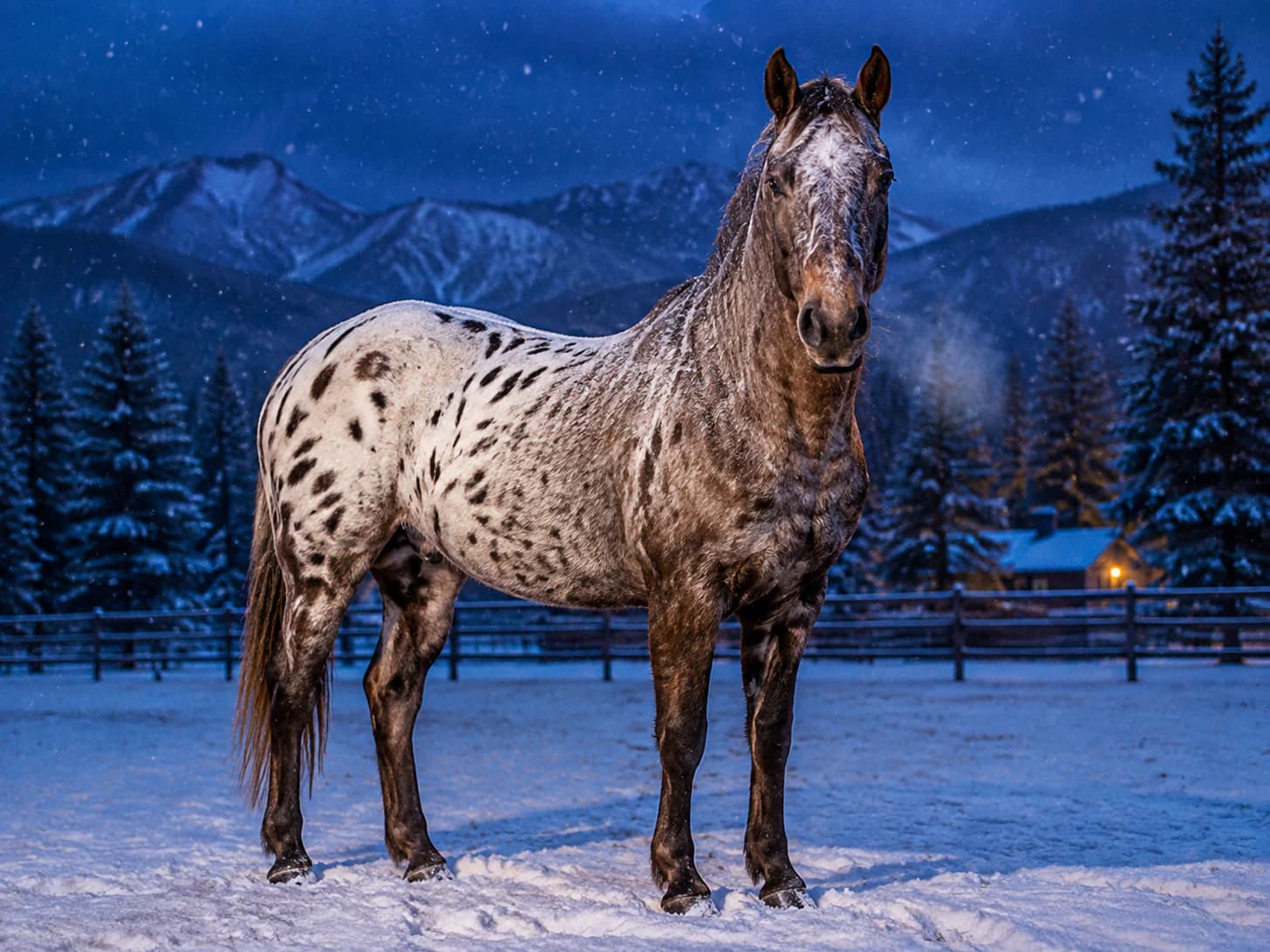
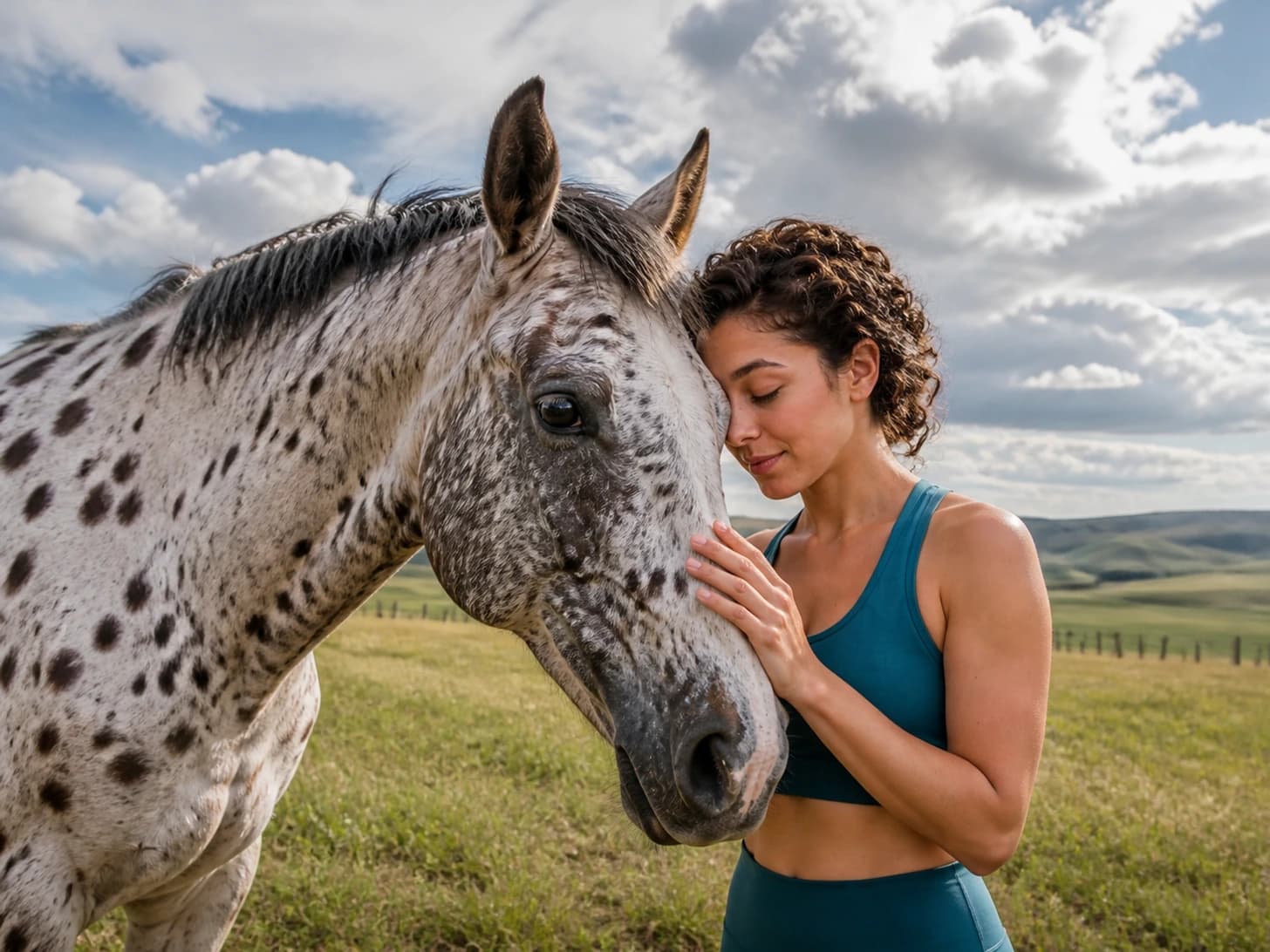
It stands 14.2 to 16 hands, with a stock-horse build, mottled skin around the muzzle and genitals, striped hooves, a white sclera visible around the eye, and coat patterns from the leopard complex — blanket, leopard, snowflake and roan. The same gene that produces those patterns has two important consequences for health.
- Origin
- Nez Perce people, Palouse region, north-west United States
- Height
- 14.2–16 hands
- Lifespan
- 25–30 years
- Coat
- Leopard complex patterns, mottled skin, striped hooves, white sclera
- Best known for
- Western disciplines, trail and endurance
- Health
- Night blindness in homozygotes; high equine recurrent uveitis risk
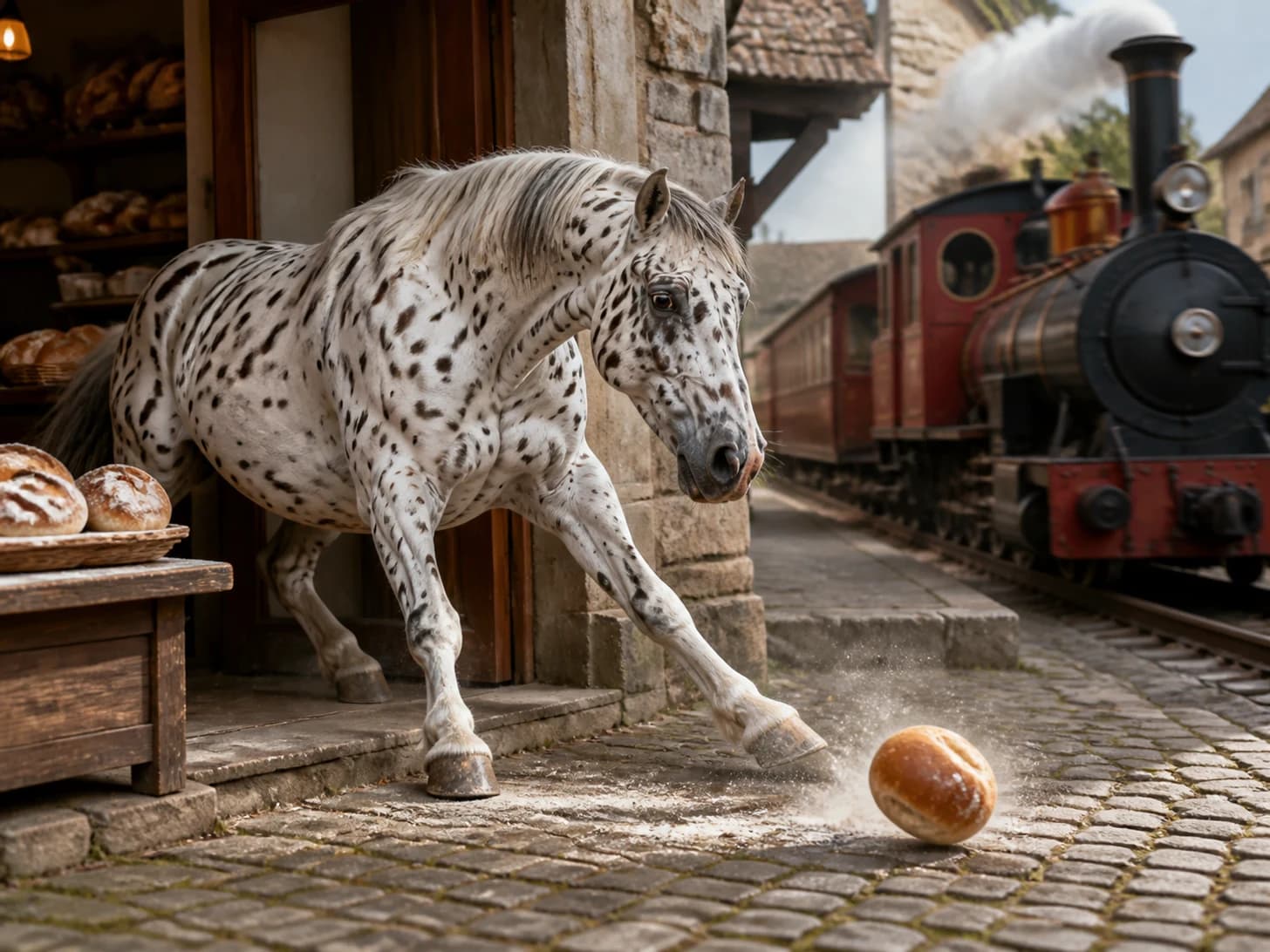
3 appaloosa photos, newest first
Living with a appaloosa
A horse with two copies of the leopard complex gene is night-blind from birth. Congenital stationary night blindness is not progressive and the horse is entirely normal in daylight, but it cannot see in low light — so it needs a lit yard, careful handling at dusk and no surprises in the dark. A DNA test identifies homozygotes, and the pattern usually gives it away: few-spot and snowcap horses are typically homozygous.
Equine recurrent uveitis is far more common in Appaloosas than in other breeds, and it is a leading cause of blindness. Any cloudiness, squinting, tearing or reluctance in bright light is an emergency, not a wait-and-see — prompt treatment saves sight.
The pink mottled skin around the muzzle and eyes sunburns; use a fly mask with a nose and UV protection.
Sparse manes and tails are normal in the breed, not a deficiency.
Otherwise a hardy, sound, versatile horse.
General guidance, not veterinary advice. Individual horses vary, and anything about a specific animal is a question for a vet who has seen it.
Worth reading alongside this
More horses by breed
Every horse breed somebody has posted a photo of.