American quarter horse
The American Quarter Horse is the most numerous horse breed in the world, with over six million registered.
It takes its name from the quarter-mile sprint races run down colonial American main streets, a distance at which it is still the fastest horse alive — around 55 miles per hour, faster than a Thoroughbred over that ground.
It stands 14 to 16 hands, heavily muscled through the hindquarters and chest, with a short broad head. It is the horse of the American West and of virtually every western discipline: reining, cutting, barrel racing, ranch work. It is also famous for a calm, willing temperament, which is why it is so often a first horse.
- Origin
- United States, colonial era
- Height
- 14–16 hands
- Lifespan
- 25–30 years
- Build
- Powerfully muscled hindquarters; low centre of gravity
- Best known for
- The fastest horse over a quarter mile, and western disciplines
- Health
- HYPP, PSSM1, GBED, HERDA and MH — a five-panel test exists
Related: American cream draft · American paint horse · American saddlebred · American warmblood
3 american quarter horse photos, newest first
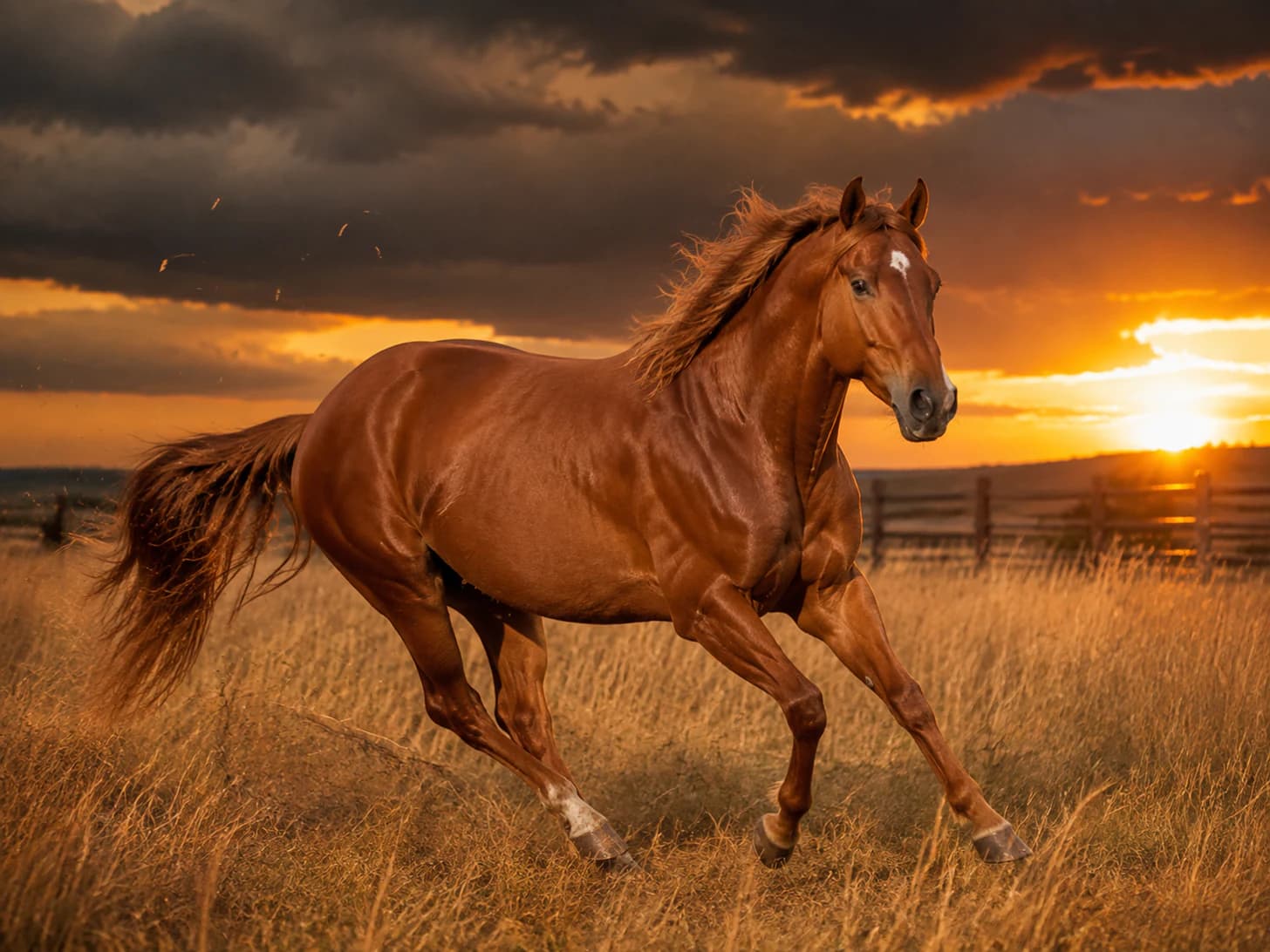

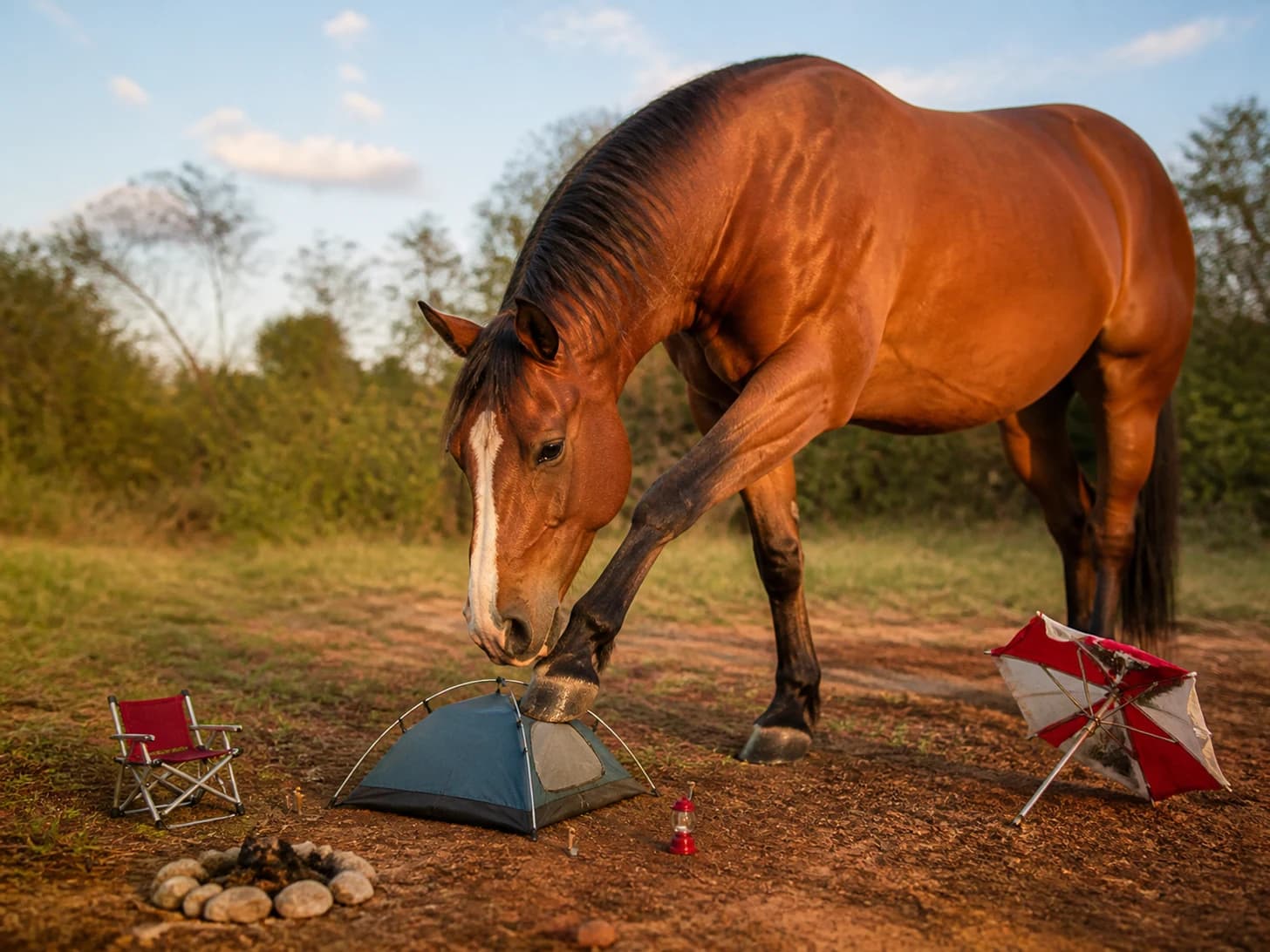
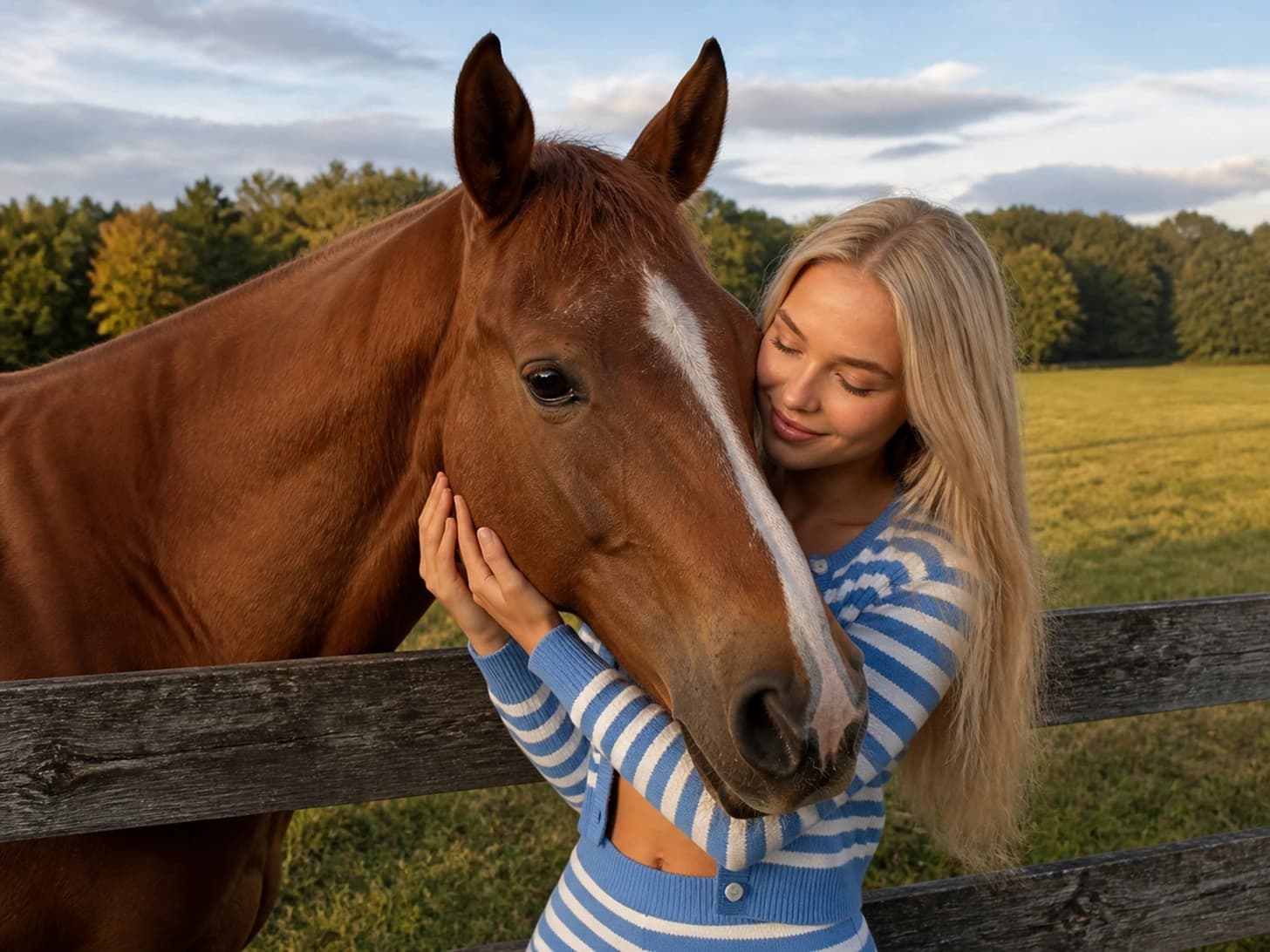
Living with a american quarter horse
Get the five-panel test results before buying or breeding. The breed carries five heritable diseases: hyperkalaemic periodic paralysis, which causes episodes of muscle tremor and collapse and traces to a single hugely influential halter sire; polysaccharide storage myopathy; glycogen branching enzyme deficiency, which is fatal in foals; hereditary equine regional dermal asthenia, in which the skin separates from the body; and malignant hyperthermia. One test covers all five, and results are public on registered horses.
PSSM1 horses can be managed well with a low-starch, higher-fat diet and, critically, daily consistent exercise — turnout rather than stall rest.
Quarter Horses are easy keepers and prone to obesity, laminitis and equine metabolic syndrome on rich pasture.
The heavy muscling over a relatively small foot makes correct farriery important.
Otherwise a robust, straightforward breed, which is much of its appeal.
General guidance, not veterinary advice. Individual horses vary, and anything about a specific animal is a question for a vet who has seen it.
Worth reading alongside this
More horses by breed
Every horse breed somebody has posted a photo of.