Akhal-Teke
The Akhal-Teke comes from the Karakum desert of Turkmenistan, where it was bred by the Teke tribe as a raiding and endurance horse and kept as a personal possession, often rugged and hand-fed rather than turned out.
It is one of the oldest breeds still existing and is the national emblem of Turkmenistan.
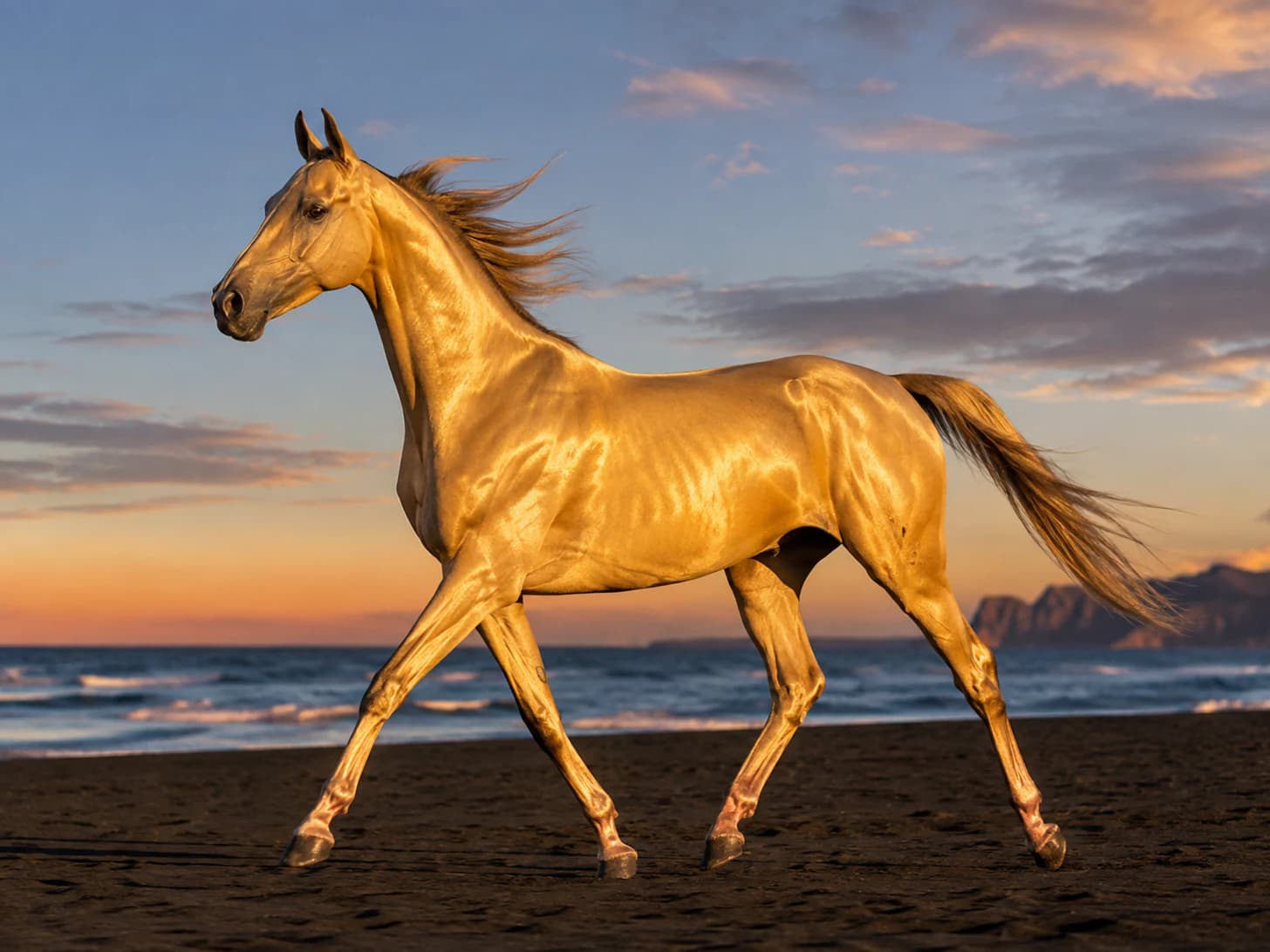
It stands 14.2 to 16 hands, unusually narrow and long-lined, with a fine coat that in many individuals has a genuine metallic sheen — the hair shaft structure reflects light, and a golden buckskin Akhal-Teke in sunlight looks plated. Fewer than about 8,000 exist worldwide. The breed is celebrated for extraordinary endurance, including a 1935 ride of 4,300 km from Ashgabat to Moscow.
- Origin
- Karakum desert, Turkmenistan
- Height
- 14.2–16 hands
- Lifespan
- 20–25 years
- Coat
- Fine, with a metallic sheen in many individuals
- Best known for
- Extreme endurance; a rare breed with under 8,000 worldwide
- Health
- Naked Foal Syndrome — fatal, recessive, and testable
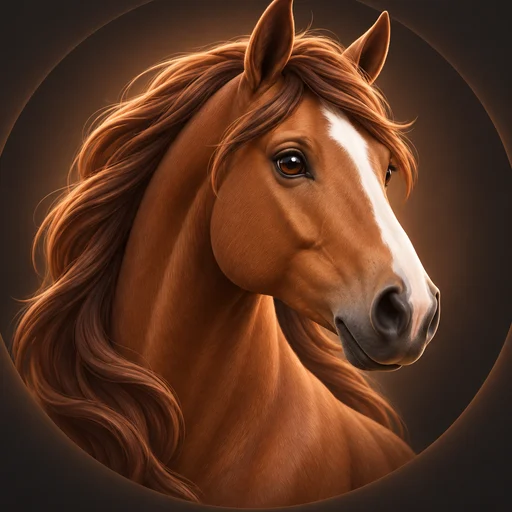
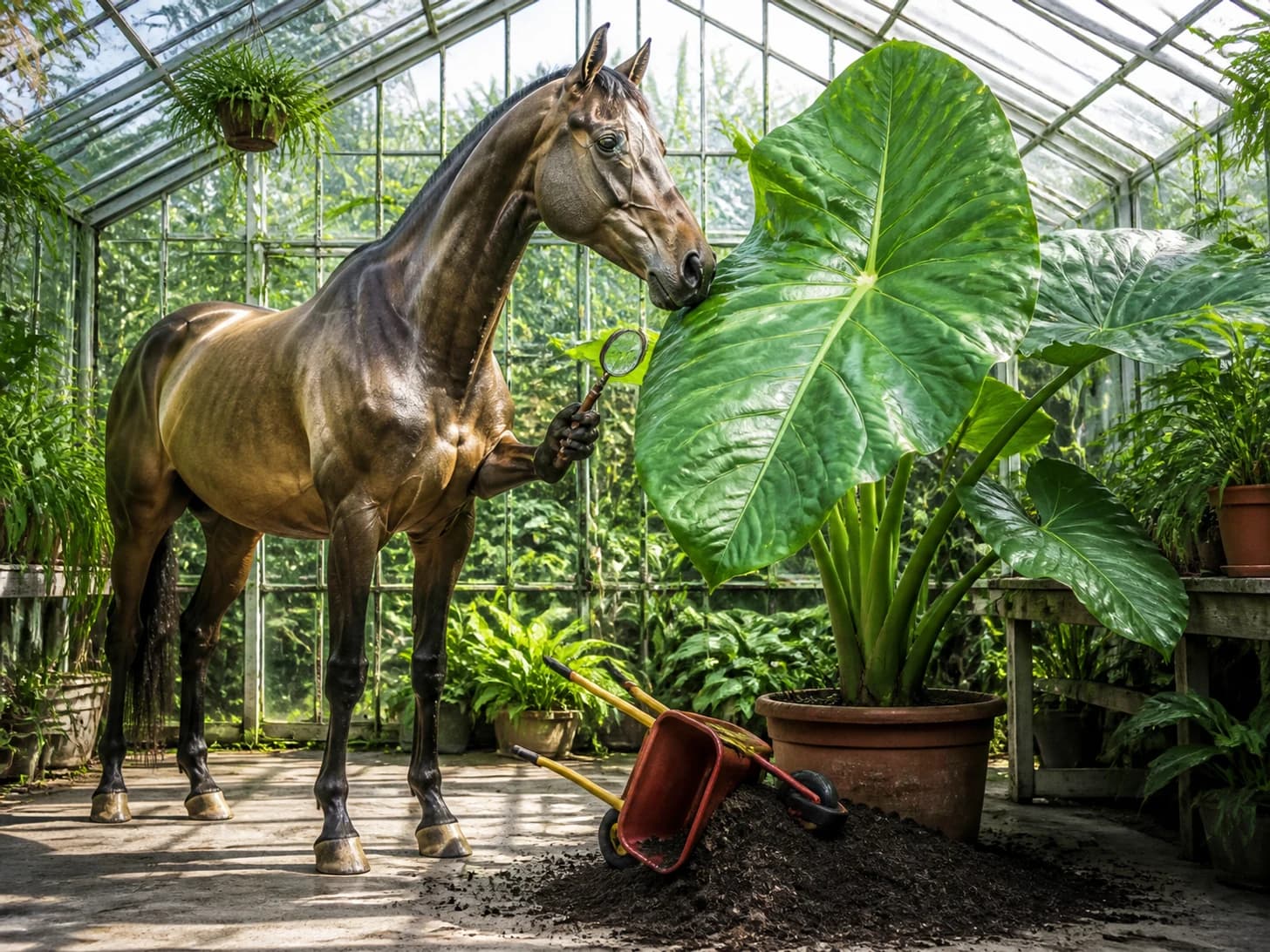
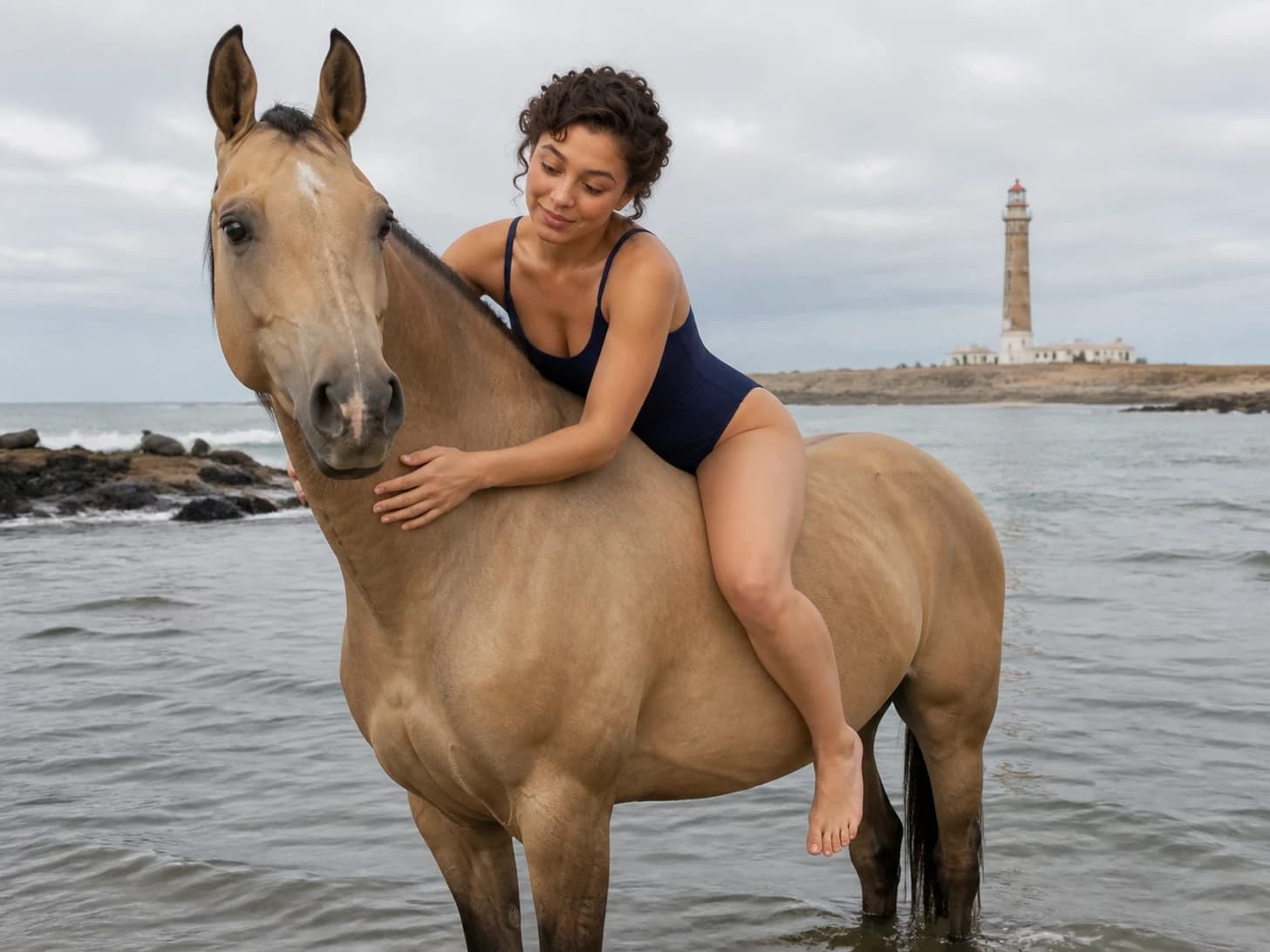
3 akhal-teke photos, newest first
Living with a akhal-teke
Test for Naked Foal Syndrome before breeding. Foals inheriting two copies are born hairless, cannot regulate temperature or maintain a normal digestive tract, and die within weeks to months. It is recessive, carriers are healthy and unremarkable, and a DNA test has been available since 2015. In a breed this small the carrier rate is not negligible.
Degenerative suspensory ligament desmitis appears in some lines and is worth asking about.
The fine coat gives little protection. These horses come from a desert with cold nights and were traditionally rugged; in a wet temperate climate they need proper rugging and shelter.
They are famously one-person horses — loyal, sensitive and unimpressed by rough handling. Consistency matters more than firmness.
They are efficient feeders bred for scarcity and do not need rich feed to hold condition.
General guidance, not veterinary advice. Individual horses vary, and anything about a specific animal is a question for a vet who has seen it.
Worth reading alongside this
More horses by breed
Every horse breed somebody has posted a photo of.