Black forest horse
The Black Forest Horse, or Schwarzwälder Kaltblut, is a light draft breed from the Black Forest region of south-western Germany, bred there for at least six hundred years for farm and forestry work in steep, wooded country.
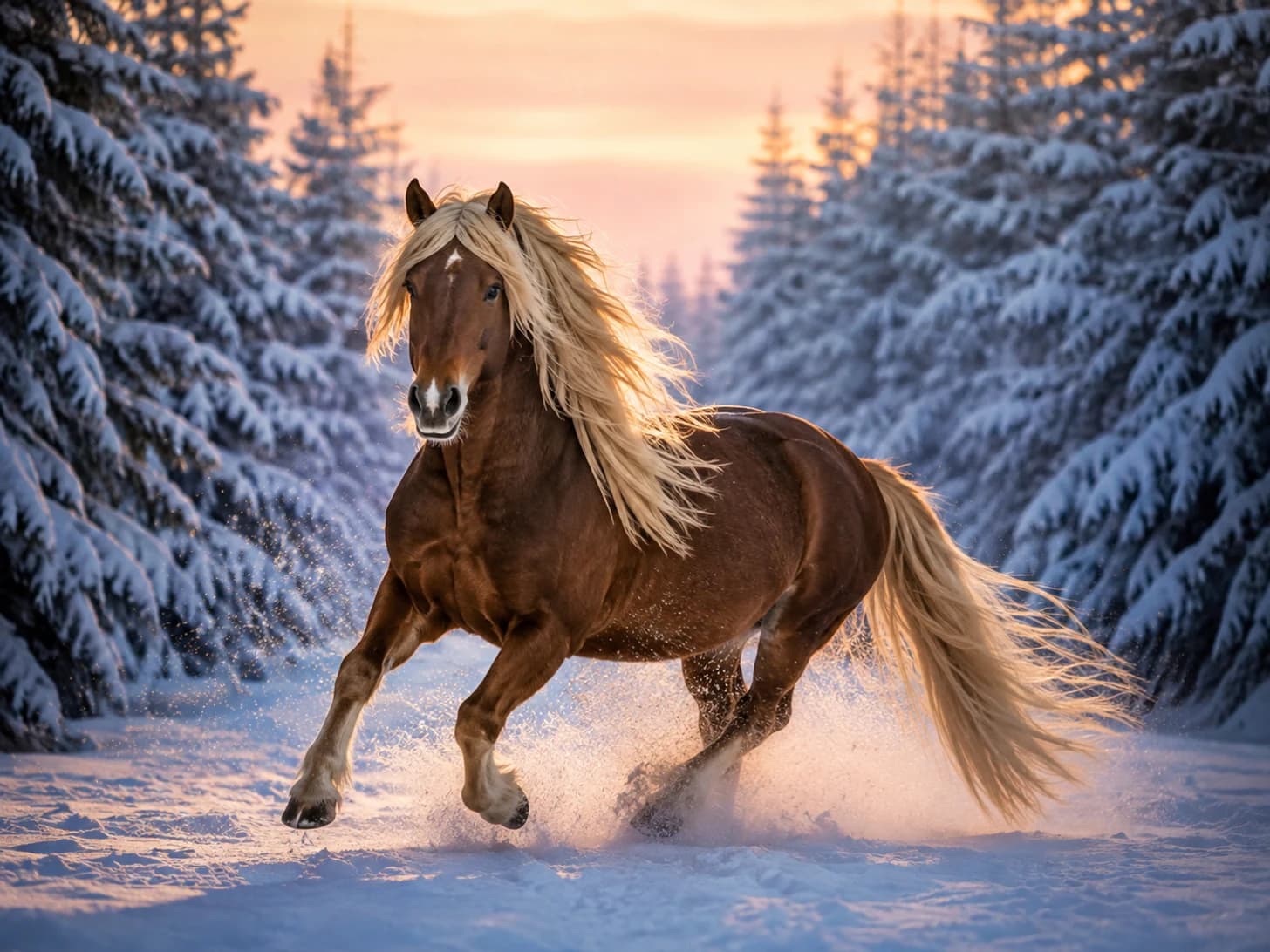
It stands 14.2 to 15.2 hands — small for a draft — and is almost always dark chestnut with a flaxen mane and tail, a combination striking enough that the breed is instantly recognisable. It is compact, sure-footed and long-lived, well suited to forestry and to driving, and increasingly popular as a riding horse because it is small enough and calm enough to suit riders who want substance without a seventeen-hand animal. It is a rare breed, with roughly 1,200 breeding mares.
- Origin
- Black Forest, south-western Germany
- Height
- 14.2–15.2 hands
- Lifespan
- 25–30 years — long-lived for a draft
- Coat
- Dark chestnut with a flaxen mane and tail
- Best known for
- Forestry, driving, and increasingly riding
- Status
- Rare — around 1,200 breeding mares
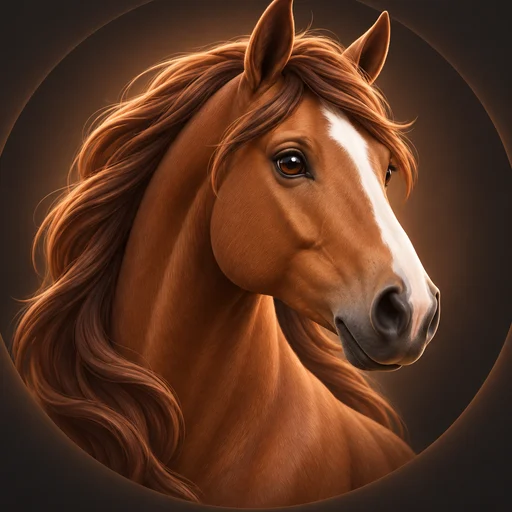
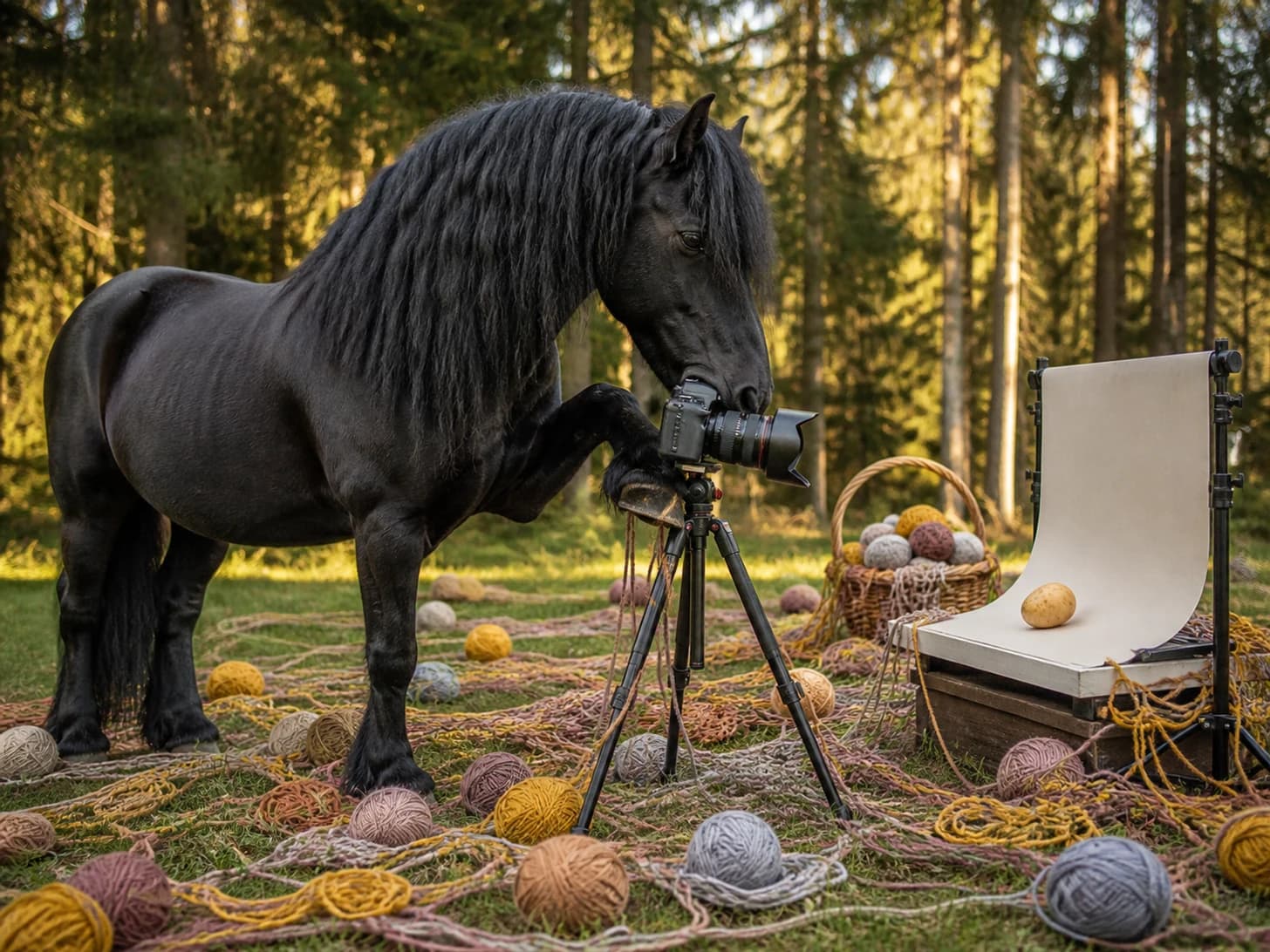
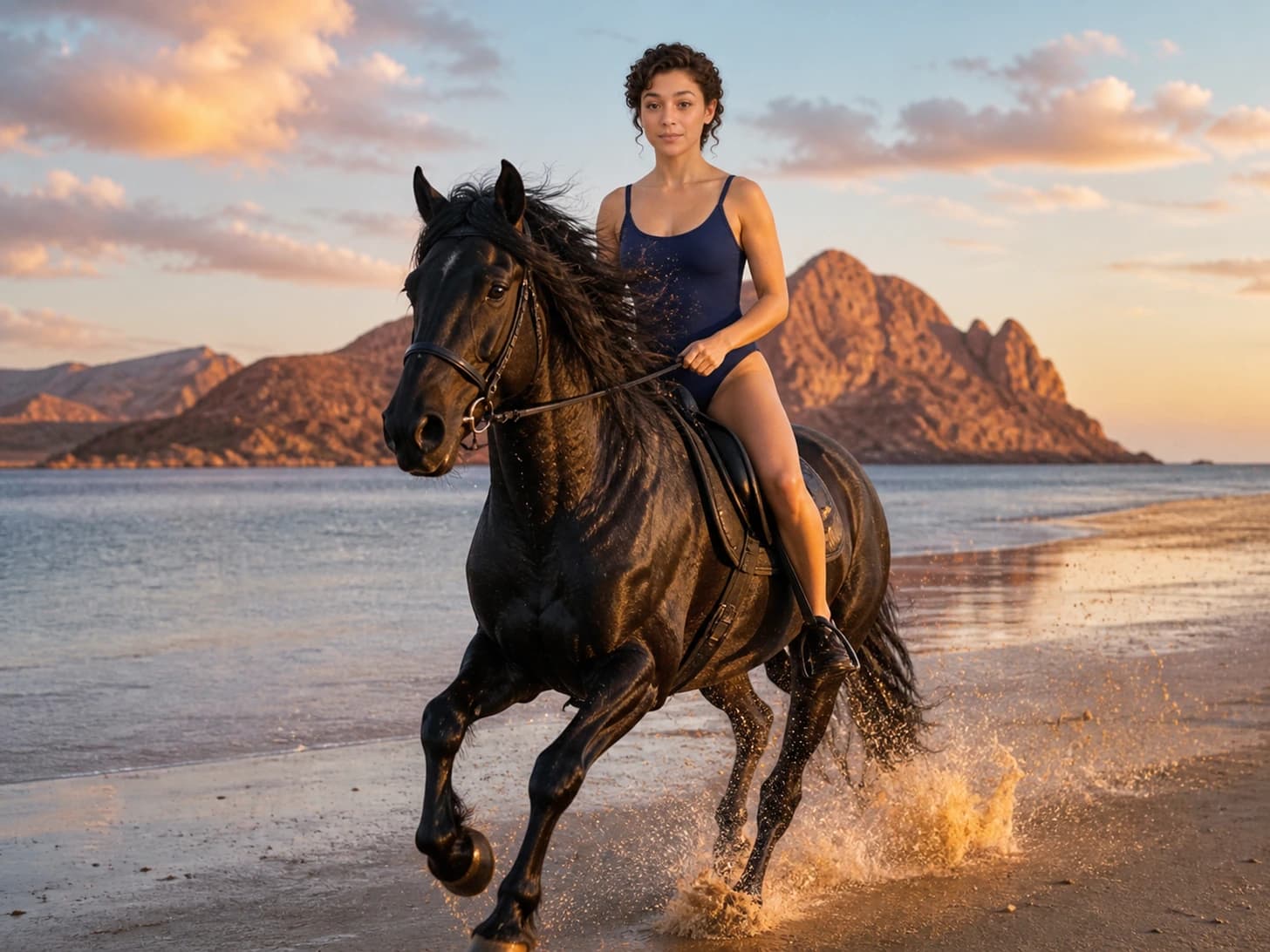
3 black forest horse photos, newest first
Living with a black forest horse
An easy keeper on a small frame, which is a combination that founders horses. Restricted grazing, a track system or a muzzle in spring, and regular condition scoring.
They are hardy and winter out well with shelter; over-rugging is a more common mistake than under-rugging.
The feathering is modest, so the lower-leg problems of the heavy drafts are less pressing, but the legs still repay checking in muddy conditions.
They are notably long-lived for a draft breed, and many work into their twenties. That makes conditioning and joint care over a long career worthwhile rather than academic.
No breed-specific genetic disease is widespread. Trimming or shoeing every six to eight weeks, and the smaller size makes farriery easier and cheaper than for a heavy draft.
General guidance, not veterinary advice. Individual horses vary, and anything about a specific animal is a question for a vet who has seen it.
Worth reading alongside this
More horses by breed
Every horse breed somebody has posted a photo of.