American saddlebred
The American Saddlebred was developed in Kentucky from Narragansett Pacers, Thoroughbreds and Morgans, bred as a comfortable, showy riding horse for plantation owners and later carried through the Civil War as an officer's mount.
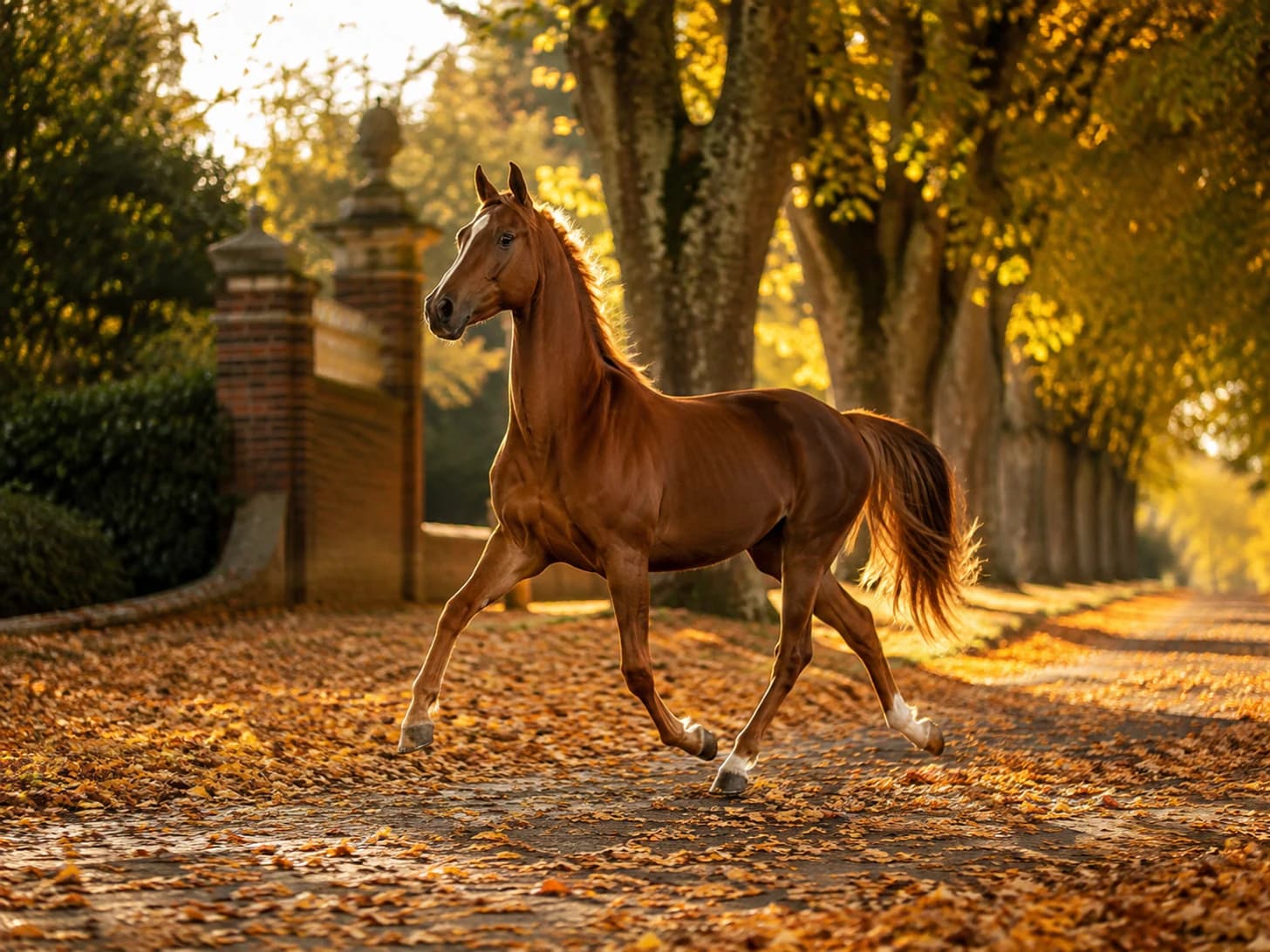
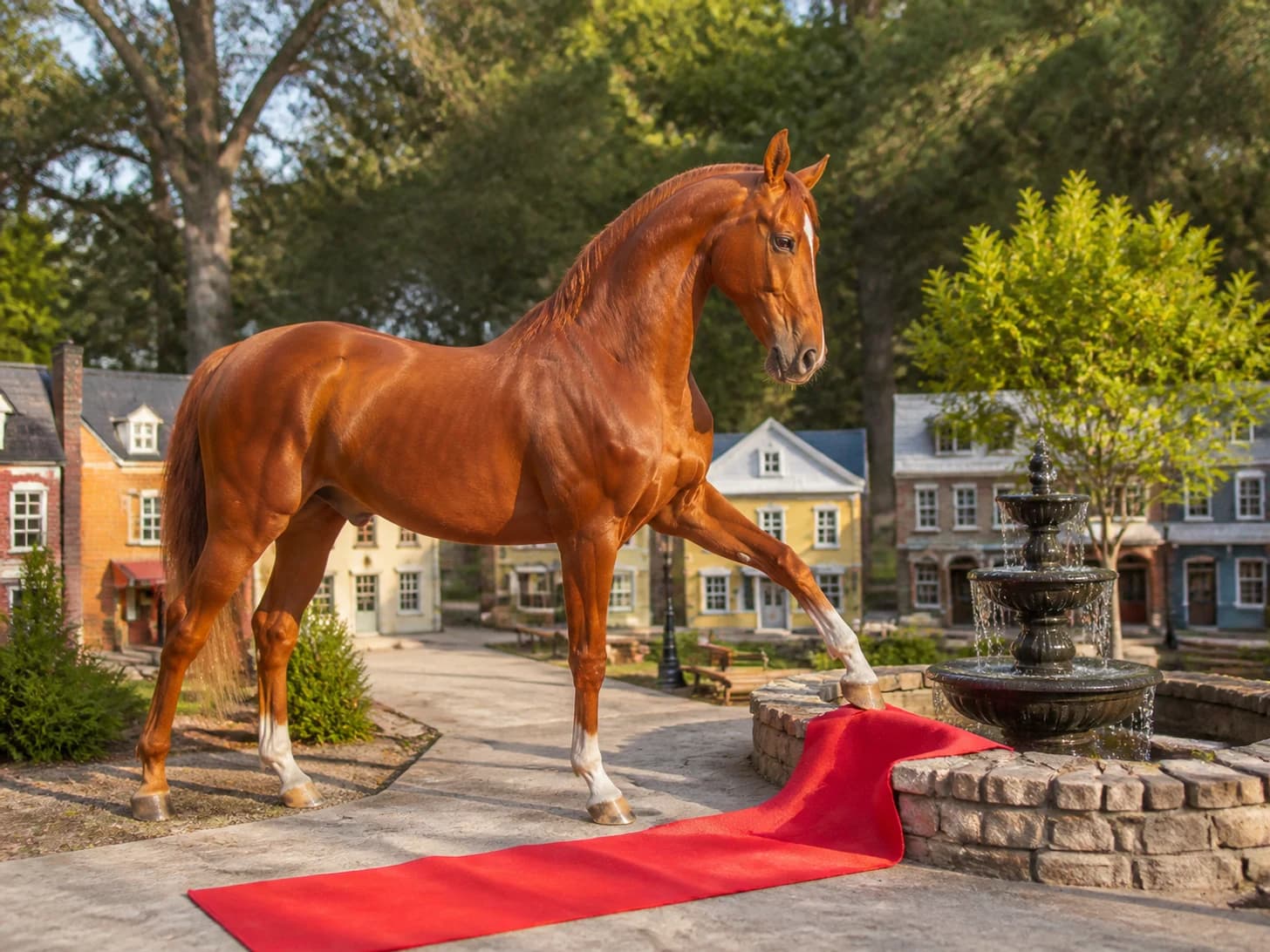
It stands 15 to 17 hands, with a long arched neck set high, a level croup and a naturally high-stepping action. Some are three-gaited and some five-gaited, the extra two being the slow gait and the rack — a fast, even four-beat gait that is spectacular to watch and unusually smooth to sit. It is above all a show breed, and the show tradition around it includes practices that are worth understanding before getting involved.
- Origin
- Kentucky, United States
- Height
- 15–17 hands
- Lifespan
- 25–30 years
- Build
- High-set arched neck, level croup, high knee action
- Gaits
- Three-gaited, or five-gaited with the slow gait and rack
- Temperament
- Alert, willing, people-oriented
Related: American cream draft · American paint horse · American quarter horse · American warmblood
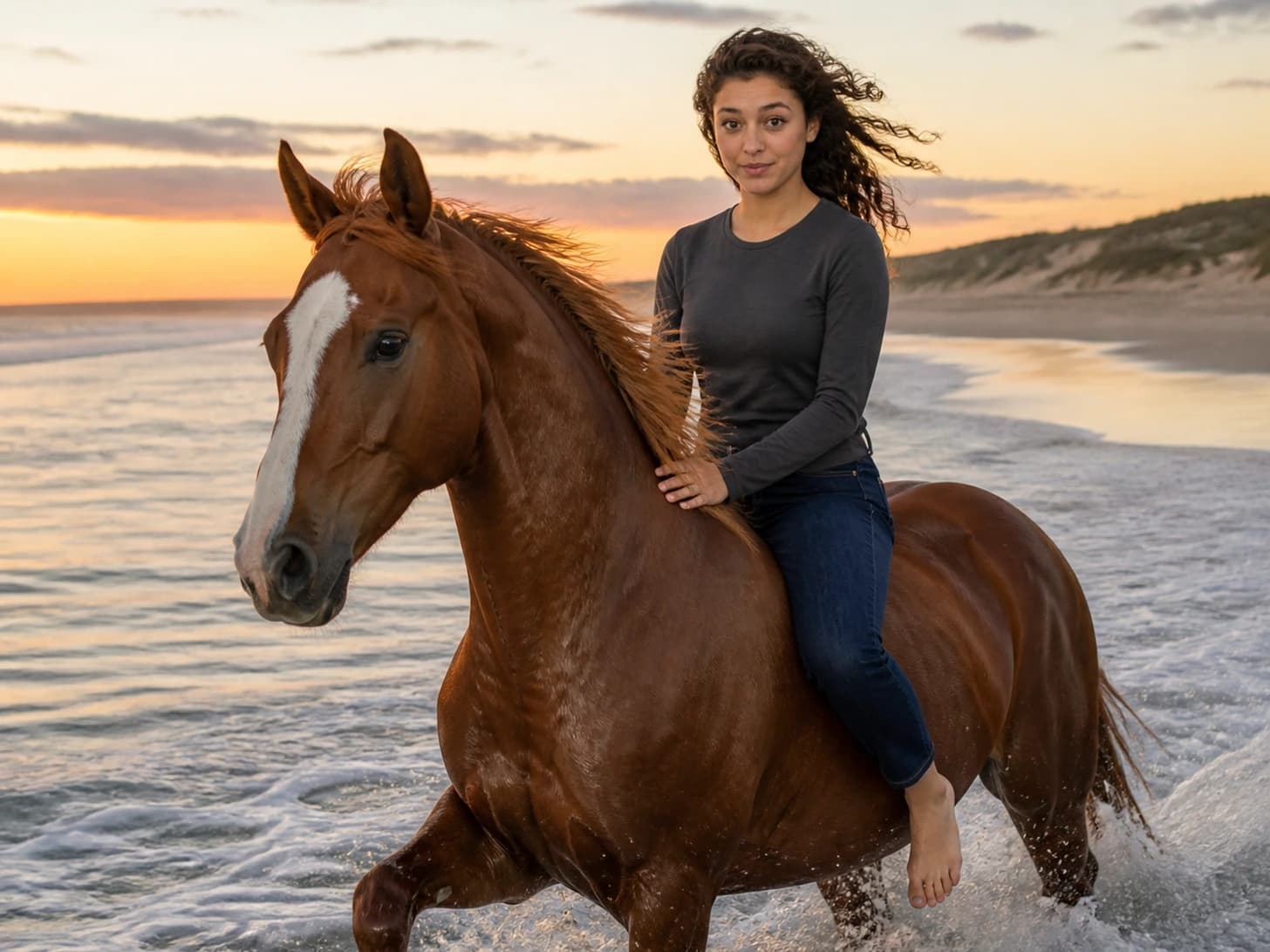
3 american saddlebred photos, newest first

Living with a american saddlebred
Know what a tail set is before buying a show horse. The high tail carriage seen in the show ring is often produced by a surgical nicking of the tail muscles and the use of a tail set harness. The practice is legal in much of the United States, banned in several countries and increasingly contested; a horse that has had it may need ongoing management. Plenty of Saddlebreds are shown and ridden without it.
The same applies to weighted shoes and long feet used to exaggerate action. Ask what the horse has been in, because the transition back to normal feet takes months of careful farriery.
Outside the show ring they make excellent, comfortable trail and pleasure horses, and the gaited ones are easy on a rider's back.
They are energetic and forward-going rather than hot, and they are notably people-oriented.
No breed-specific genetic disease is widespread. Routine care is standard.
General guidance, not veterinary advice. Individual horses vary, and anything about a specific animal is a question for a vet who has seen it.
Worth reading alongside this
More horses by breed
Every horse breed somebody has posted a photo of.