Andalusian
The Andalusian, known in Spain as the Pura Raza Española, comes from the Iberian peninsula and has been recognised as a distinct breed since the fifteenth century.
It was the mount of European royalty and the foundation of the classical riding schools, and its influence runs through most warmblood and many American breeds.
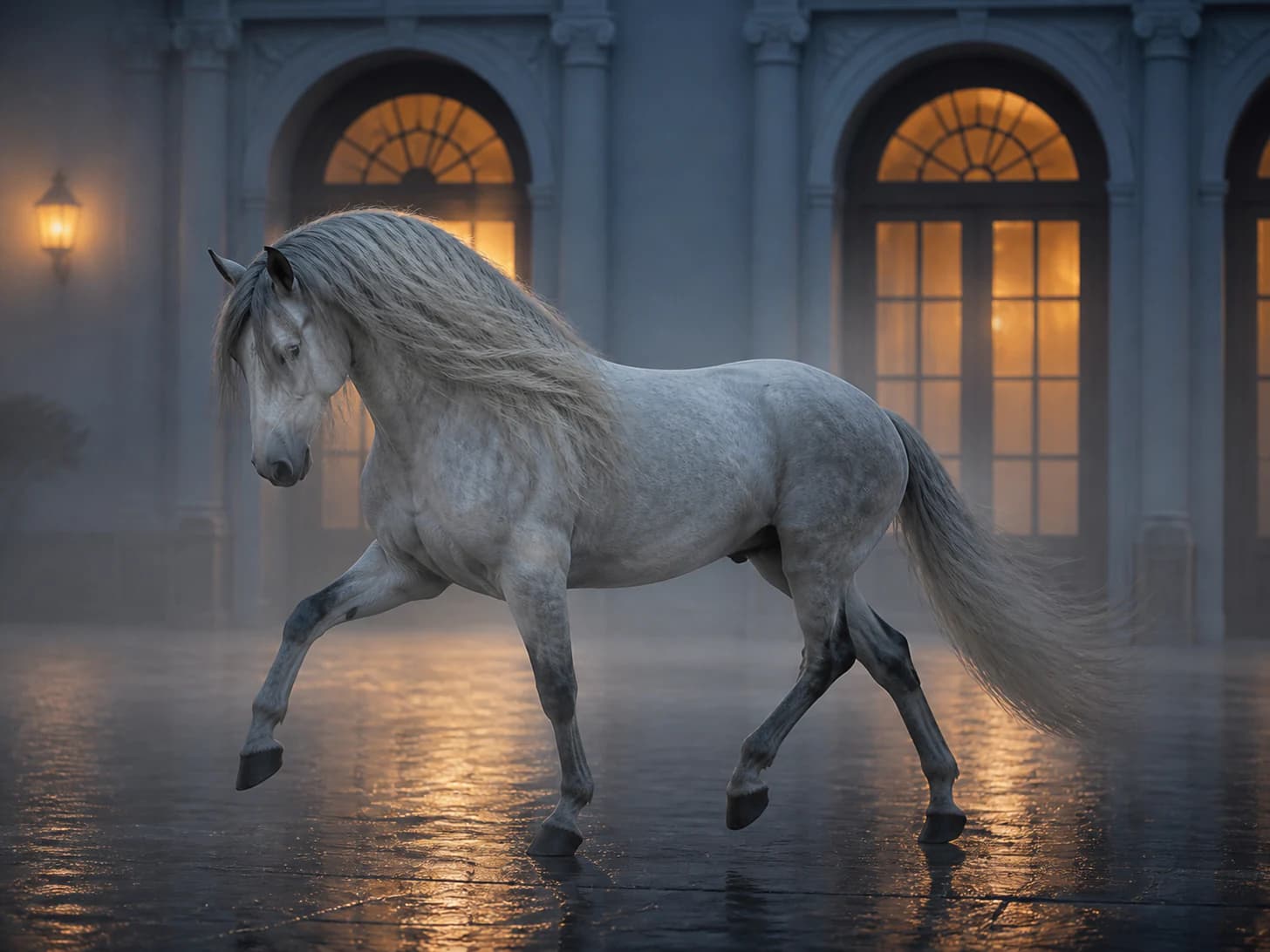
It stands 15.1 to 16.2 hands, with a strongly crested neck, an abundant mane and tail, a broad chest and a naturally elevated, rounded stride. Around 80 per cent are grey. It is famous for collection — the ability to carry weight on the hindquarters — which is why it excels at classical dressage and at the mounted work of the Spanish bullfighting tradition.
- Origin
- Iberian peninsula, Spain
- Height
- 15.1–16.2 hands
- Lifespan
- 25–30 years
- Build
- Baroque — crested neck, rounded croup, elevated action
- Best known for
- Classical dressage and natural collection
- Health
- Grey coat colour carries a high melanoma risk
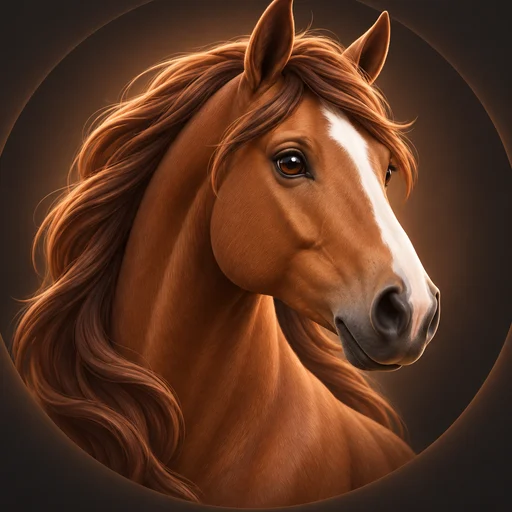
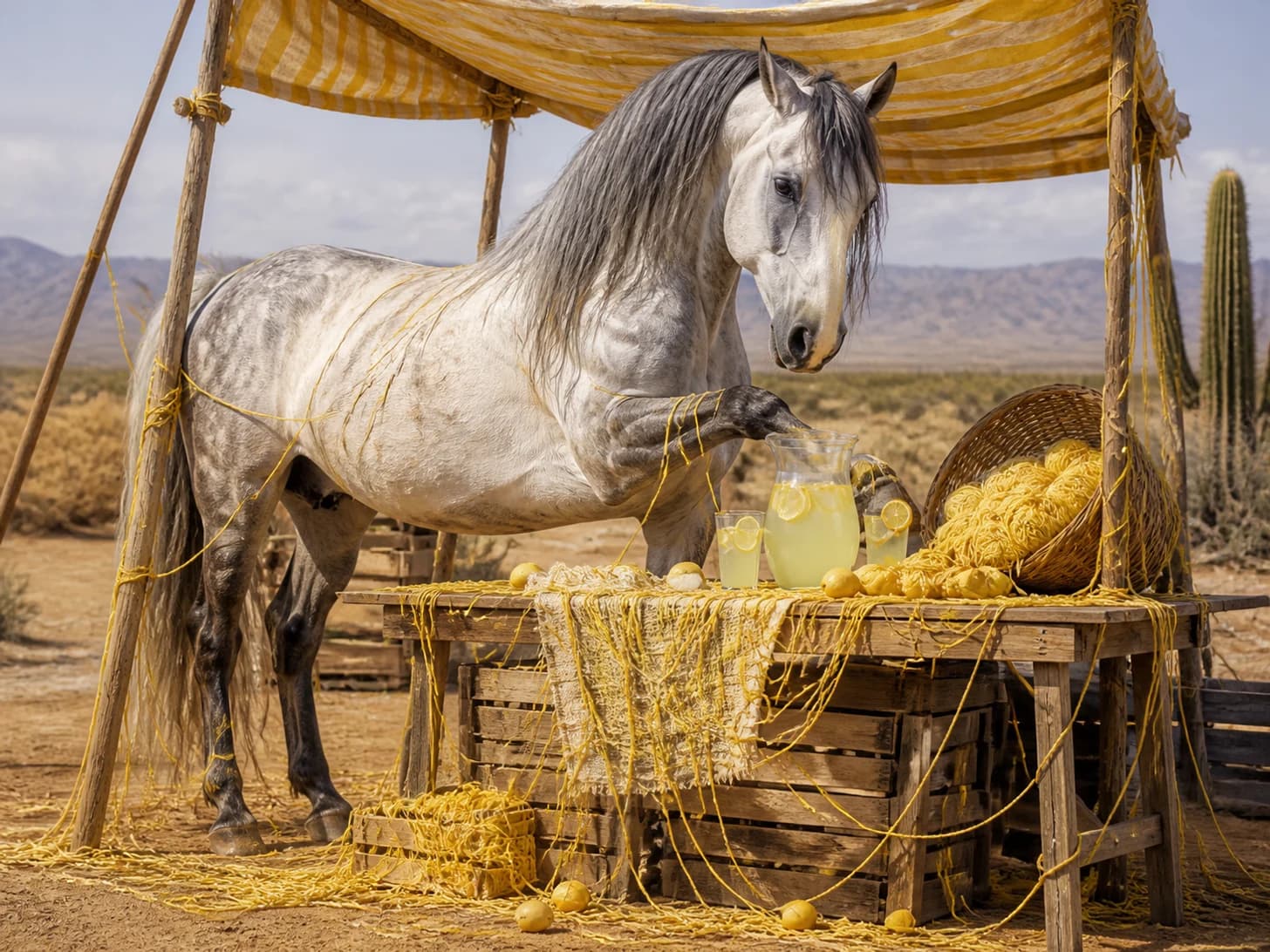
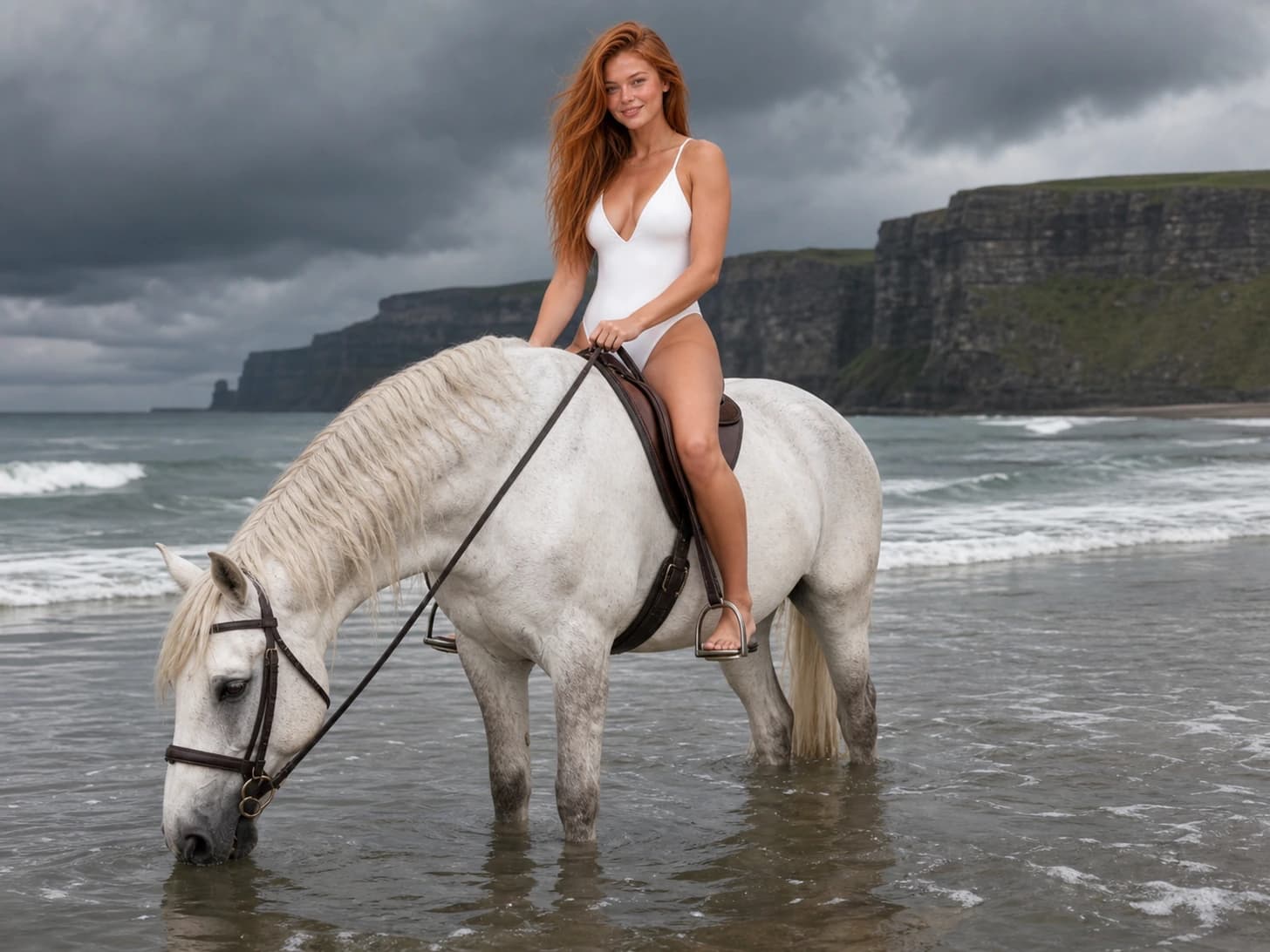
3 andalusian photos, newest first
Living with a andalusian
Grey horses get melanomas. Around 80 per cent of Andalusians are grey, and the great majority of grey horses over fifteen develop melanomas, most often under the tail, around the anus and on the sheath. Many are slow-growing and tolerated for years, but they should be monitored and shown to a vet as they appear, because early ones are far more treatable than established ones.
Check under the tail and around the head regularly as part of grooming.
The mane and tail are the breed's signature and need real time — daily detangling, and many owners plait or bag them.
They are willing and trainable but sensitive, and they respond much better to soft, quiet aids than to strong ones. The natural collection has to be developed slowly; asking too much too early causes back and hock problems.
They are good doers and gain weight easily on rich pasture.
General guidance, not veterinary advice. Individual horses vary, and anything about a specific animal is a question for a vet who has seen it.
Worth reading alongside this
More horses by breed
Every horse breed somebody has posted a photo of.