

The kitchen scale that catches illness early
Small pets hide illness until it is an emergency, and weight shows it first. What to weigh, how often, and what a drop of five per cent actually means.
54 photos across 6 breeds
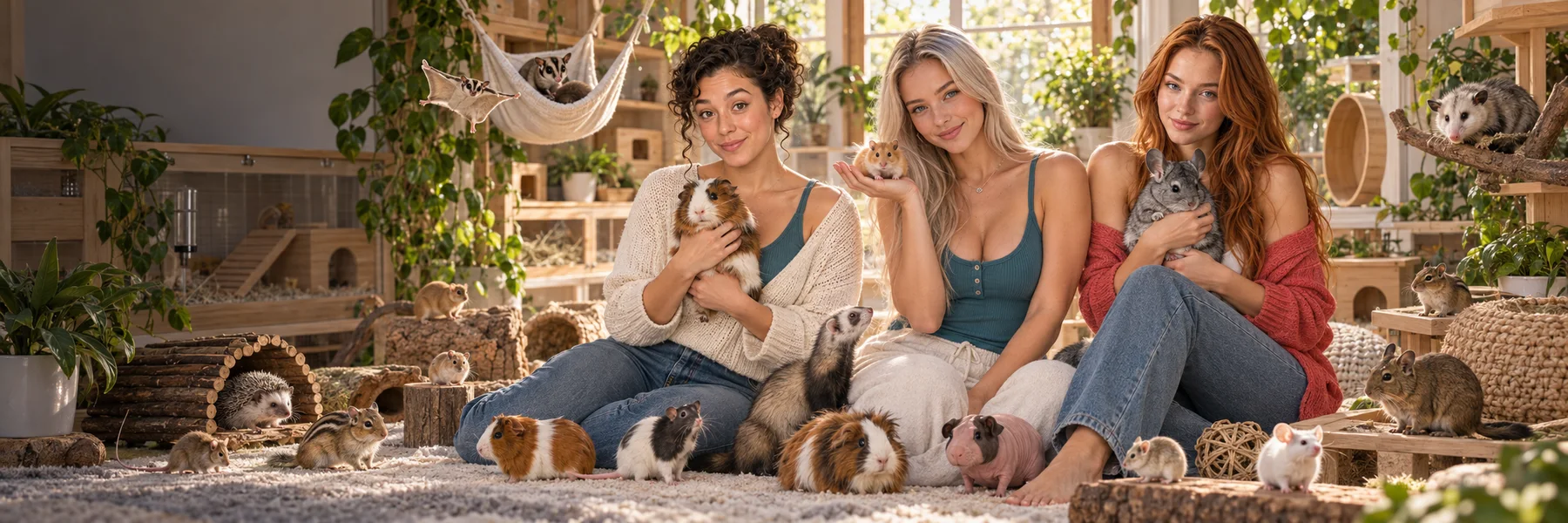
🐹 Critters — hamsters, guinea pigs, rats, mice, gerbils, chinchillas, ferrets, hedgehogs — get grouped by size and by nothing else. Their needs have almost nothing in common, and advice that applies to one is often actively harmful to another.
Syrian hamsters must live alone and will fight to the death if housed together; guinea pigs and rats are intensely social and should never be kept singly. Chinchillas need dust baths and cool rooms; ferrets need several hours out of the cage daily. The species decides everything.
🚨 What they do have in common is that almost all of them are prey animals with small margins. A hamster or a guinea pig hides illness for as long as it can and then declines quickly, so the window between the first visible sign and a serious problem is often a day or two rather than a week. Stopped eating, sitting hunched in a corner, a wet or dirty back end, laboured breathing, weight loss you can feel through the fur: all of those are same-day problems, and all of them want a vet who sees small mammals regularly rather than occasionally.
⏰ Lifespan runs from about eighteen months to twenty years across this one page, which is worth pausing on. An Astrex mouse may give you eighteen months. A golden hamster two to three years. A guinea pig five to seven. A chinchilla fifteen to twenty — longer than most dogs, and a commitment people take on without noticing.
🛏️ Housing is where most of the money and most of the mistakes go. Nearly everything sold as a cage for a hamster is smaller than any welfare guideline recommends, tall multi-level cages suit climbers and not burrowers, and the bedding sold alongside is frequently the wrong kind. Getting this right before the animal arrives is cheaper than getting it right twice.
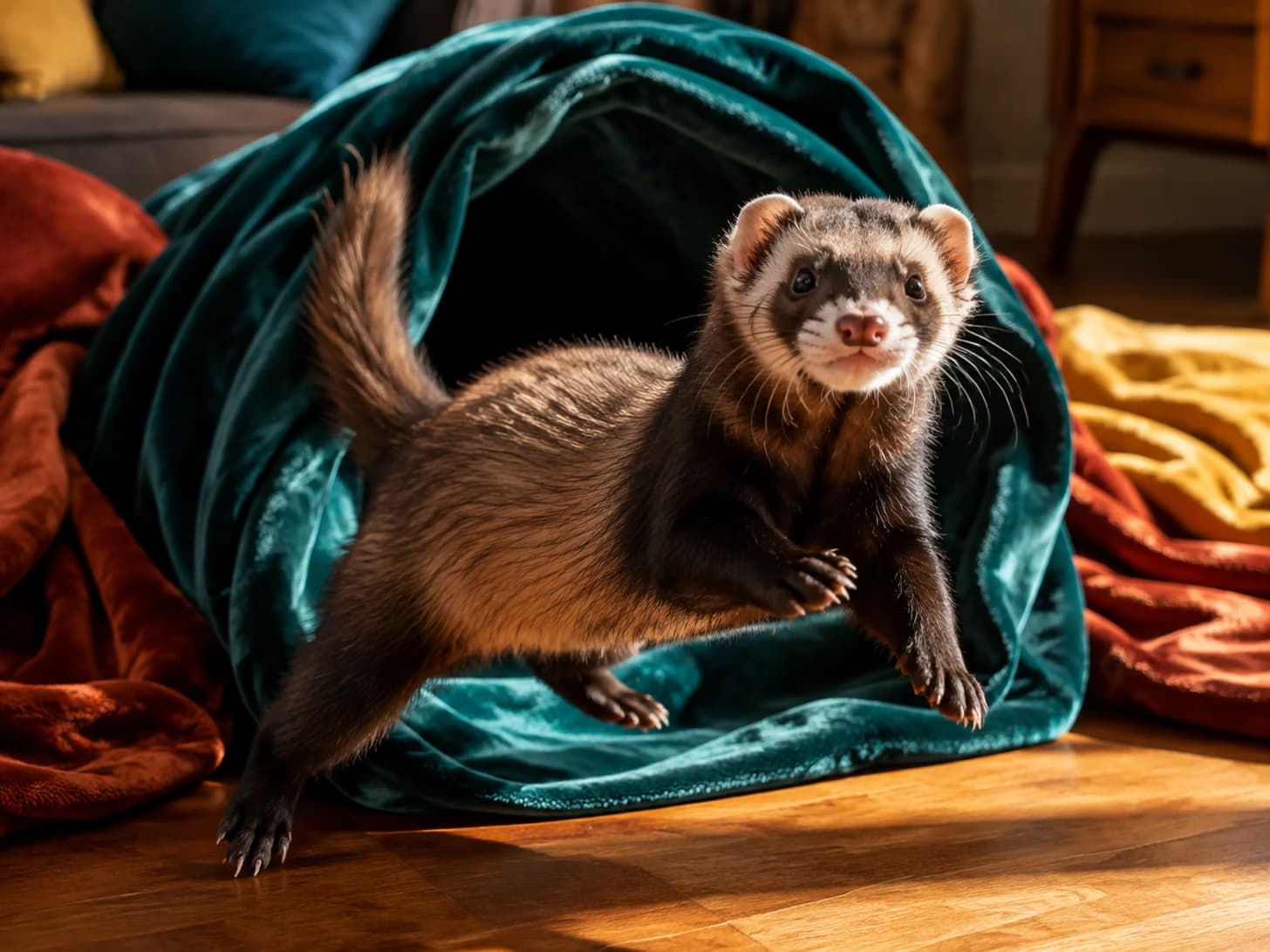

Loki went into the blanket at one end and emerged somewhere else entirely.
FrostyOtter · 5 days ago
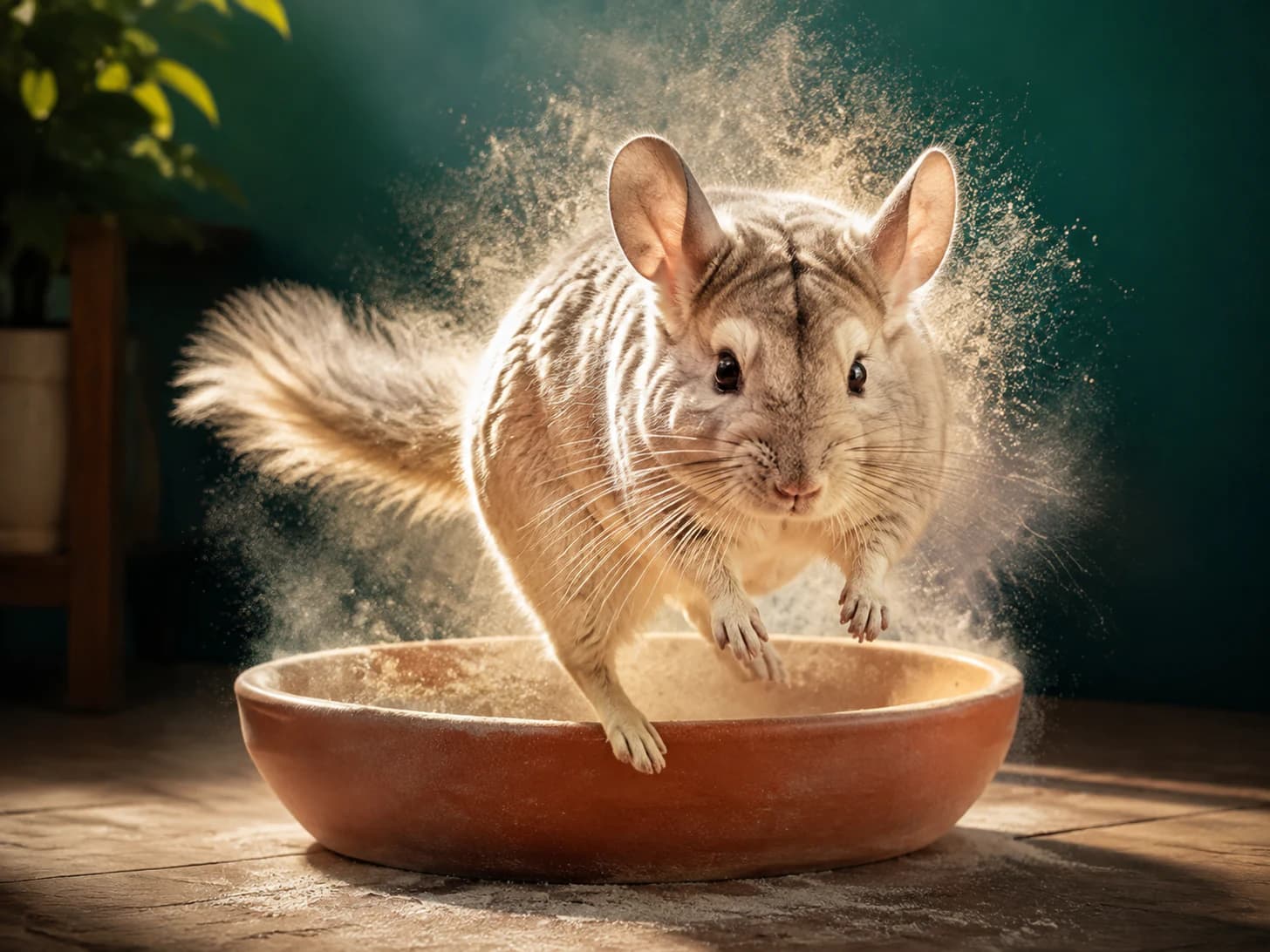
Dusty takes his bath extremely seriously and redecorates the entire room every time.
FrostyOtter · 6 days ago
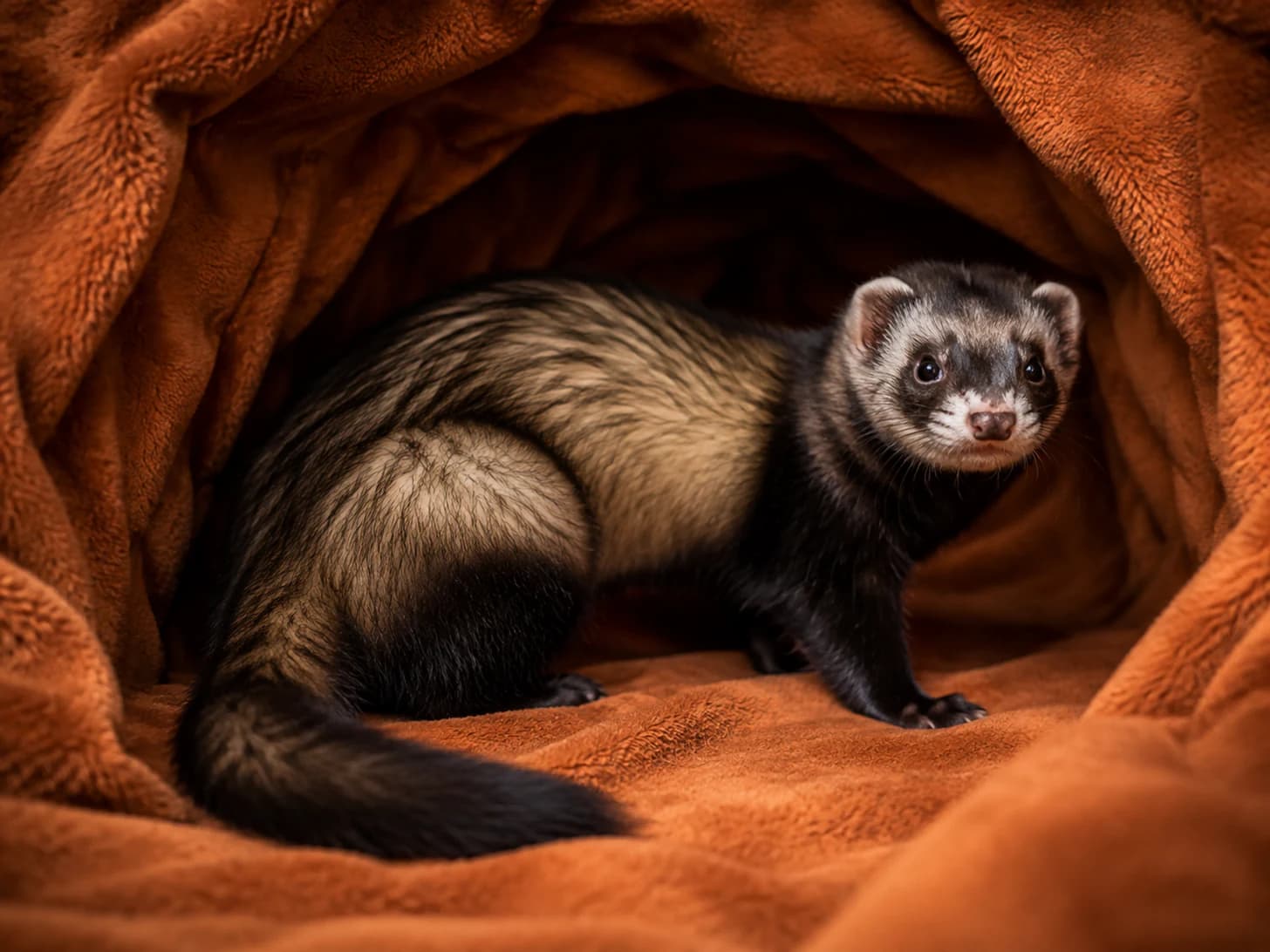
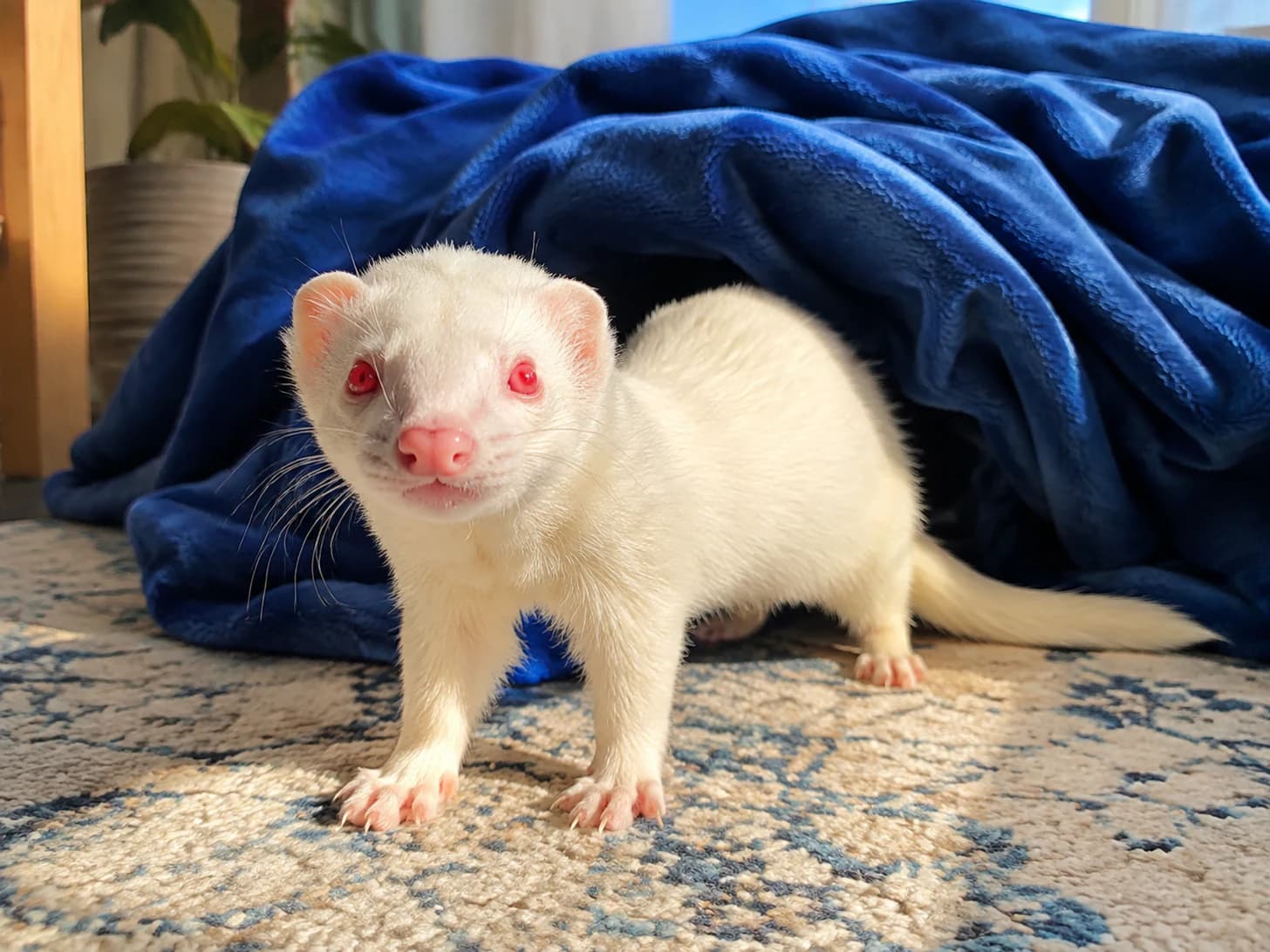
Bandit went into the blanket forty minutes ago. This is the first confirmed sighting since.
FrostyOtter · 6 days ago

Shadow finishes a dust bath and then sits perfectly still, letting the cloud settle around him.
FrostyOtter · 6 days ago
General guidance, not veterinary advice. Anything about a specific animal is a question for a vet who has seen it.
A place to start rather than the whole list. Every name is a page.
Social to the point that keeping one alone is a welfare problem, and one of very few mammals that cannot make its own vitamin C. Five to seven years, and needs floor space rather than levels.
Better known as the Syrian, and strictly solitary — two adults housed together will fight until one dies. Nearly every pet Syrian in the world descends from one female collected near Aleppo in 1930.
An obligate carnivore with the energy of a kitten that never grows out of it: several hours out of the cage daily, and a strict meat diet with no grain or fruit. Restricted or banned in some places.
The cleverest and most companionable animal on this page, and the one most unfairly dismissed. Keep two or more. Two to three years, with a high rate of respiratory disease and mammary tumours.
Fifteen to twenty years, which is the headline. Needs a dust bath rather than water, a cool room — they overheat above about twenty-five degrees — and height to climb.
Not a species found in the wild but a hybrid developed for the pet trade. Solitary, nocturnal, prone to obesity and to a fatal neurological disease with no cure. Illegal in several places.
The subjects that come up on breed page after breed page, written out properly.
Small pets hide illness until it is an emergency, and weight shows it first. What to weigh, how often, and what a drop of five per cent actually means.

Light, height, focus and patience — what separates a good pet photo from a blurred one, and how to handle black cats, white dogs and animals that never sit still.

Single, double, wire, curly and hairless coats need completely different things. Why you never shave a double coat, and why a mat has to be cut out.

Most dogs and cats have periodontal disease by three years old, and it is almost entirely silent. What it does, what actually prevents it, and what to avoid.

Around half of dogs and cats are overweight, and lean-fed dogs live nearly two years longer. How to body-condition score, and how to feed for it.

Some breeds were made to be companions and cope badly by themselves. How long is reasonable, how to build up alone-time, and when it is a panic disorder.
Every breed somebody has posted, A to Z.