Guinea pig
The guinea pig is a domesticated South American rodent, kept by Andean peoples for at least three thousand years and brought to Europe by traders in the sixteenth century.
It is neither a pig nor from Guinea.
It is a stout, tailless rodent weighing around a kilogram, with a wide range of coats across the recognised varieties. Guinea pigs are intensely social herd animals — they live in groups in the wild and should never be kept alone — and they are unusually vocal, with a repertoire of wheeks, purrs, rumbles and chutts that owners learn to read quickly.
- Origin
- Andes, South America; domesticated over 3,000 years
- Size
- 700–1200 g; males larger
- Lifespan
- 5–7 years
- Diet
- Unlimited hay, daily fresh vegetables, vitamin C pellets
- Temperament
- Social, vocal, timid at first, rarely bites
- Housing
- Pairs or groups; 0.7 m² minimum for two
Related: Abyssinian guinea pig · Abyssinian satin guinea pig · Alpaca guinea pig · American guinea pig · American satin guinea pig
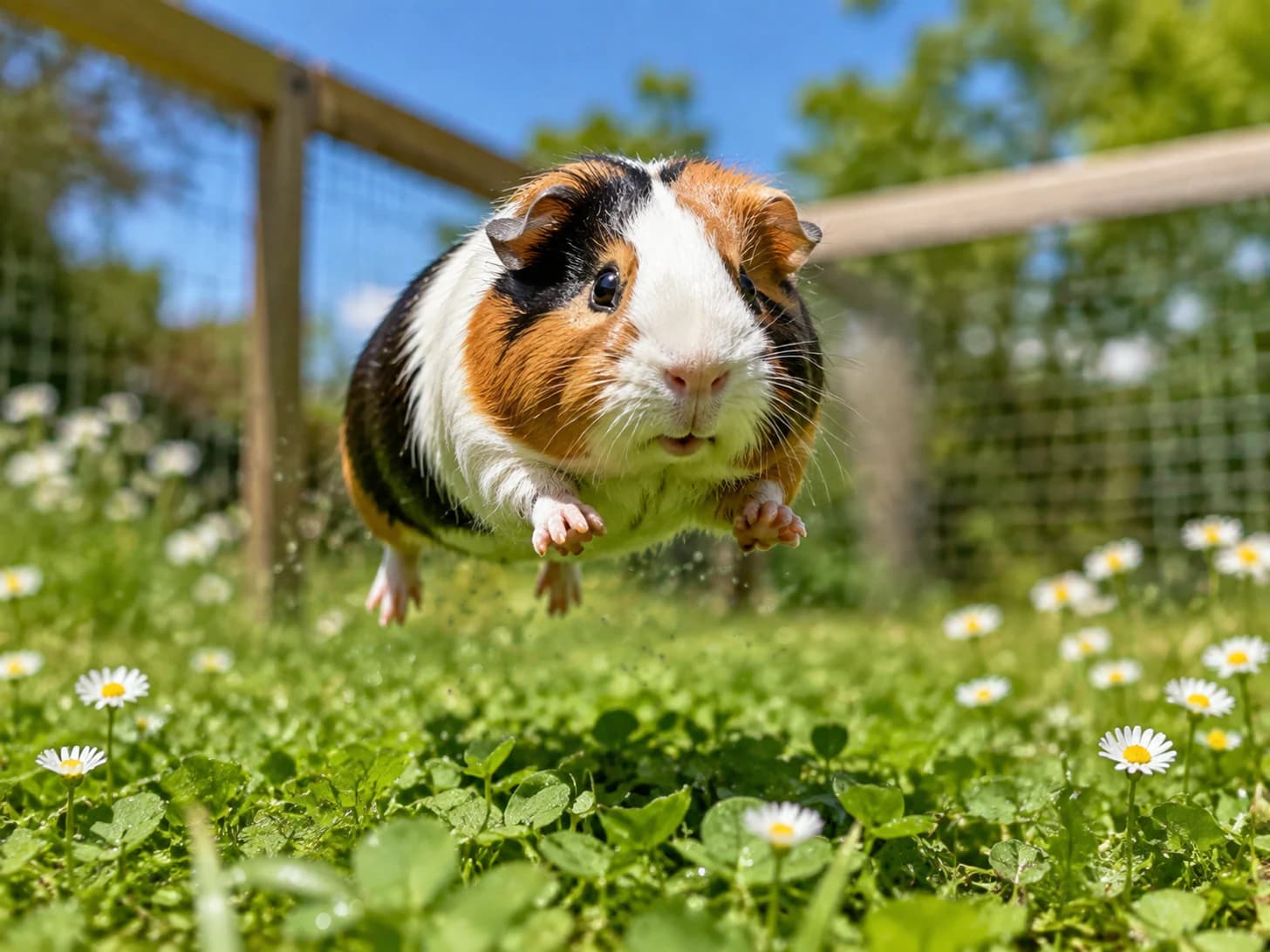
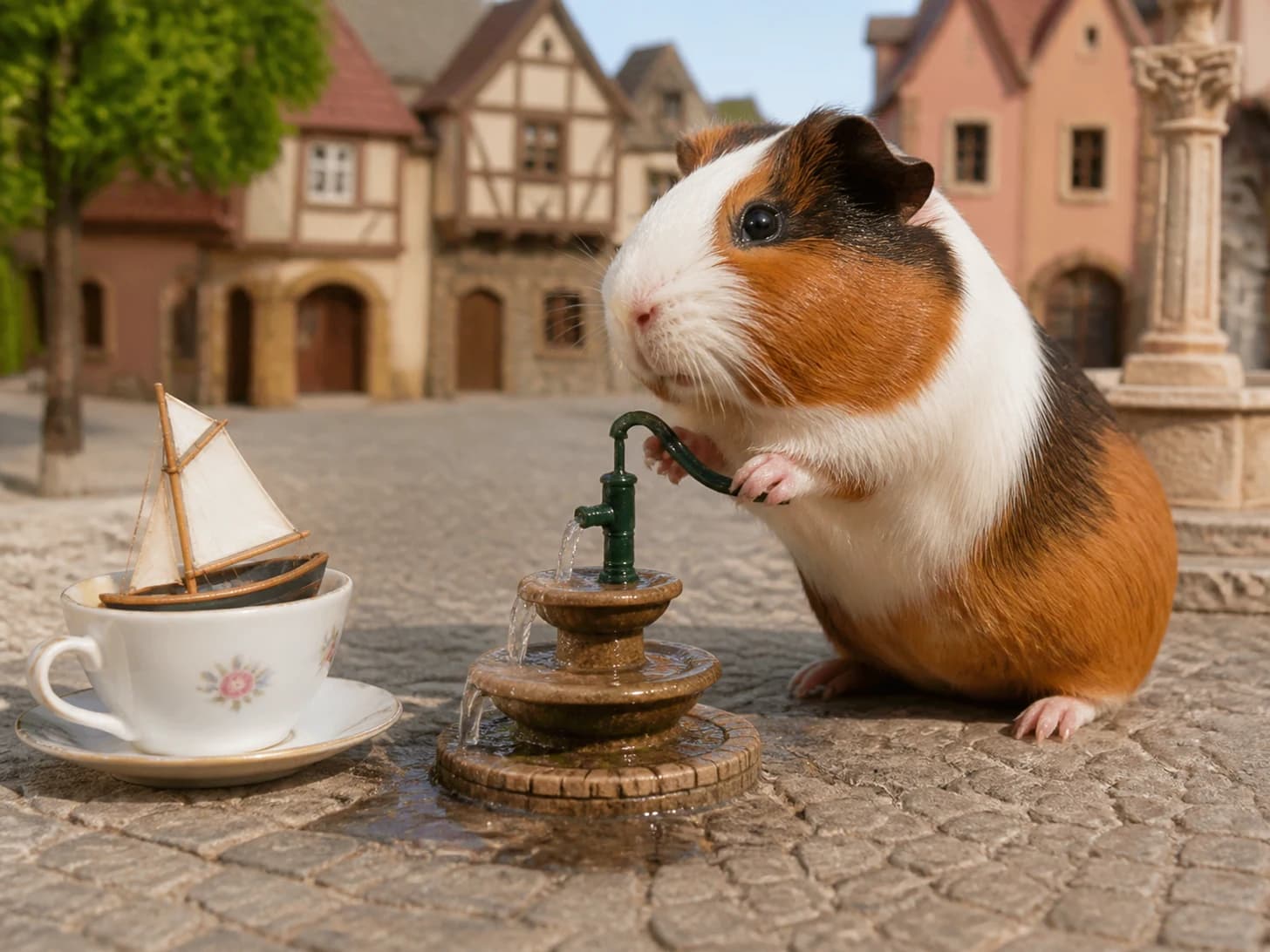
3 guinea pig photos, newest first


Living with a guinea pig
Guinea pigs cannot synthesise vitamin C — one of very few mammals besides humans that cannot — and need a dietary source every day. Deficiency causes scurvy, and it is the most common preventable illness in the species.
Never keep one alone. In Switzerland it is actually illegal. Two sows, or a sow and a neutered boar, is the usual pairing.
Hay should be available constantly: it wears the continuously growing teeth and keeps the gut moving.
Most commercially sold cages are far too small. Floor area matters more than height — they do not climb.
Watch for bladder stones, mites and pododermatitis on wire floors.
General guidance, not veterinary advice. Individual critters vary, and anything about a specific animal is a question for a vet who has seen it.
Worth reading alongside this
More critters by breed
Every critter breed somebody has posted a photo of.
- Abyssinian guinea pig3
- African pygmy hedgehog3
- Albino ferret3
- Astrex mouse3
- Beige chinchilla3
- Berkshire rat3
- Black bear hamster3
- Black sable ferret3
- Black velvet chinchilla3
- Ferret3
- Golden hamster3
- Abyssinian satin guinea pig2
- Albino hedgehog2
- Algerian hedgehog2
- Alpaca guinea pig2
- American guinea pig2
- American satin guinea pig2
- Baldwin guinea pig2
- Blaze ferret2
- Blazed rat2