Beige chinchilla
Beige is a colour mutation of the domestic chinchilla, a dominant gene producing a warm champagne coat with pink ears, often with a lighter belly, and typically ruby or pink-toned eyes.
Homozygous beiges are paler than heterozygous ones.
The animal is a chinchilla, a crepuscular rodent from the high Andes with the densest fur of any land mammal — around fifty hairs grow from each follicle, compared with one in a human. That fur is the reason the species was hunted almost to extinction, and the reason its captive care is unusual: it cannot get wet, and the animal cannot shed heat.
- Origin
- A colour mutation of the domestic chinchilla
- Size
- 400–600 g; females larger
- Lifespan
- 15–20 years
- Coat
- Champagne to beige, extremely dense; pink ears
- Temperament
- Crepuscular, agile, nervous of handling
- Housing
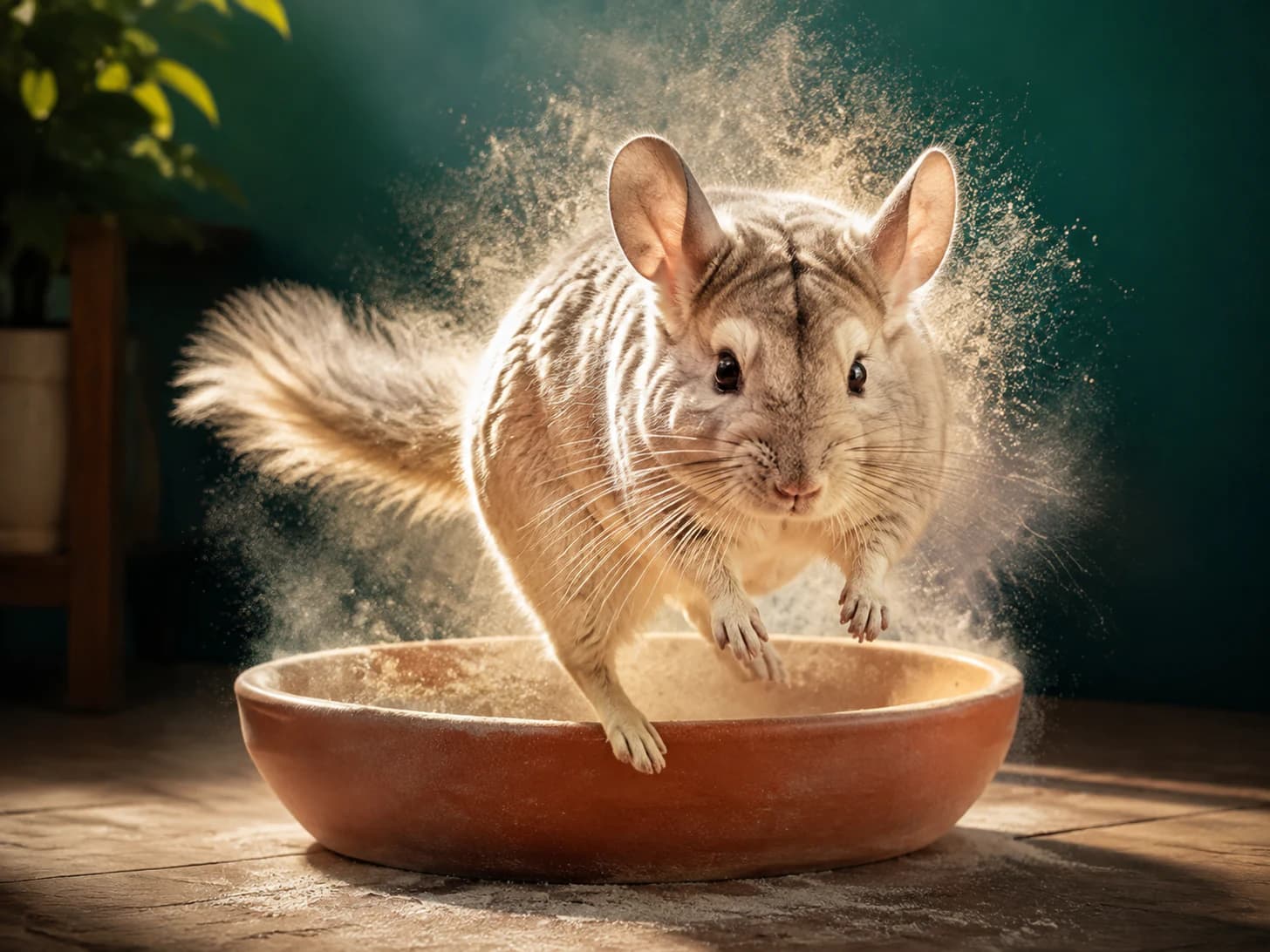
- Cool — below 25°C — tall cage, daily dust bath
Related: Black velvet chinchilla
3 beige chinchilla photos, newest first


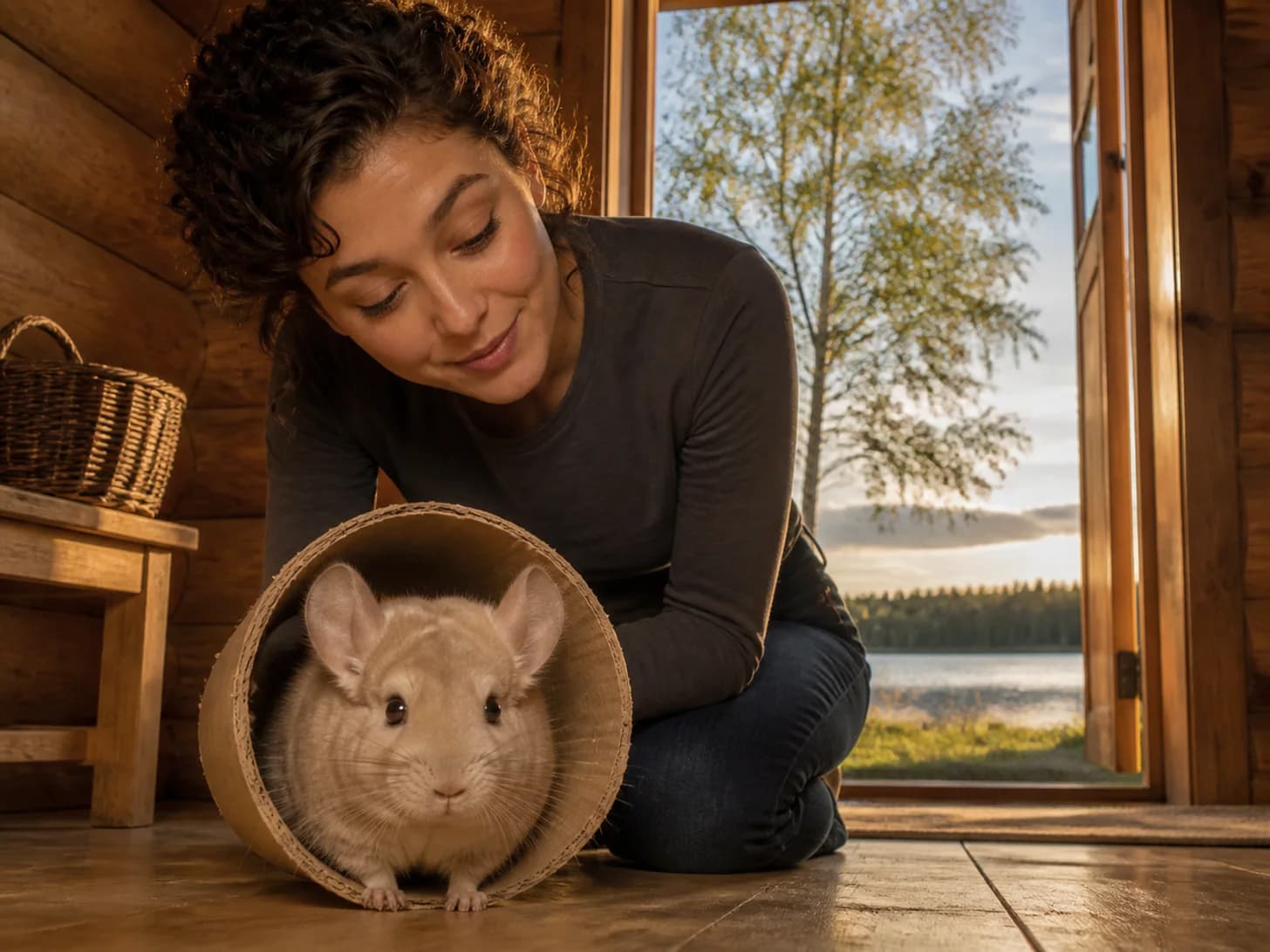
Living with a beige chinchilla
Heat kills chinchillas. Above roughly 25°C they cannot shed heat through that fur and are at real risk of heat stroke; a cool room, never direct sun, and a stone or tile to lie on.
They bathe in volcanic dust, not water. A dust bath several times a week keeps the coat healthy — never wash a chinchilla, because a wet dense coat does not dry and fungal infection follows.
They need height, deep shelves and constant chewing material; teeth grow continuously and dental disease is the commonest serious problem.
Fifteen to twenty years is a long commitment for a small pet. Feed hay-based pellets and hay; avoid fruit and treats.
General guidance, not veterinary advice. Individual critters vary, and anything about a specific animal is a question for a vet who has seen it.
Worth reading alongside this
More critters by breed
Every critter breed somebody has posted a photo of.
- Abyssinian guinea pig3
- African pygmy hedgehog3
- Albino ferret3
- Astrex mouse3
- Berkshire rat3
- Black bear hamster3
- Black sable ferret3
- Black velvet chinchilla3
- Ferret3
- Golden hamster3
- Guinea pig3
- Abyssinian satin guinea pig2
- Albino hedgehog2
- Algerian hedgehog2
- Alpaca guinea pig2
- American guinea pig2
- American satin guinea pig2
- Baldwin guinea pig2
- Blaze ferret2
- Blazed rat2