Astrex mouse
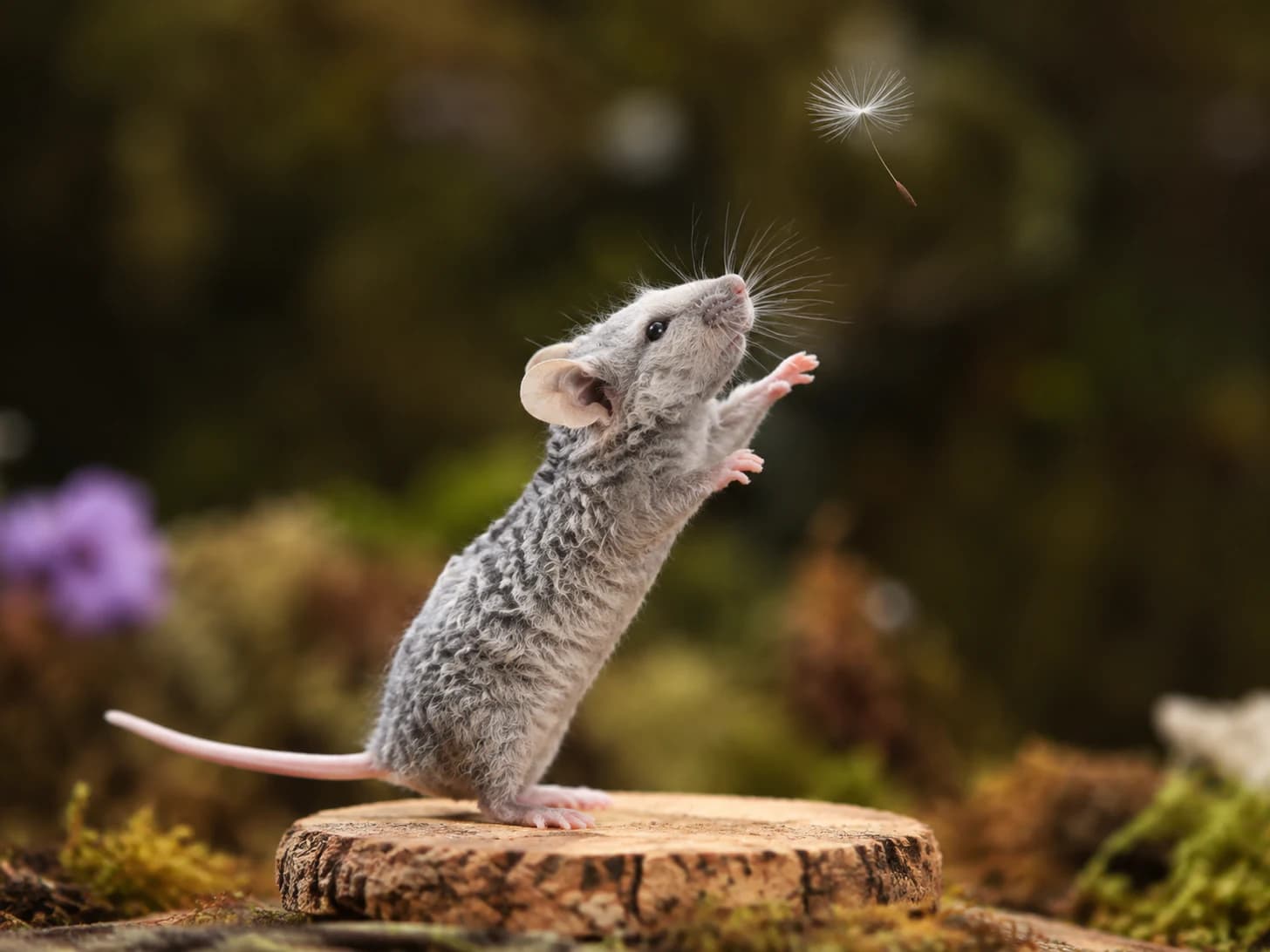
The Astrex is a fancy mouse variety carrying a recessive gene that produces a curled or waved coat, and curled whiskers with it.
As in rabbits carrying a similar mutation, the curl is often most pronounced in young animals and relaxes as the mouse matures, which is why the variety is difficult to maintain in show condition.
Underneath it is the domestic fancy mouse, a small, quick, largely nocturnal rodent kept in Britain since the nineteenth century. Mice are inquisitive and entertaining to watch but are far less interested in handling than rats, and they are noticeably more scent-marking.
- Origin
- A recessive coat mutation of the fancy mouse
- Size
- 7–10 cm plus tail; 25–40 g
- Lifespan
- 1.5–3 years
- Coat
- Curled or waved; the curl often relaxes with age
- Temperament
- Inquisitive, quick, nocturnal; watching rather than handling
- Housing
- Females in groups; males usually alone
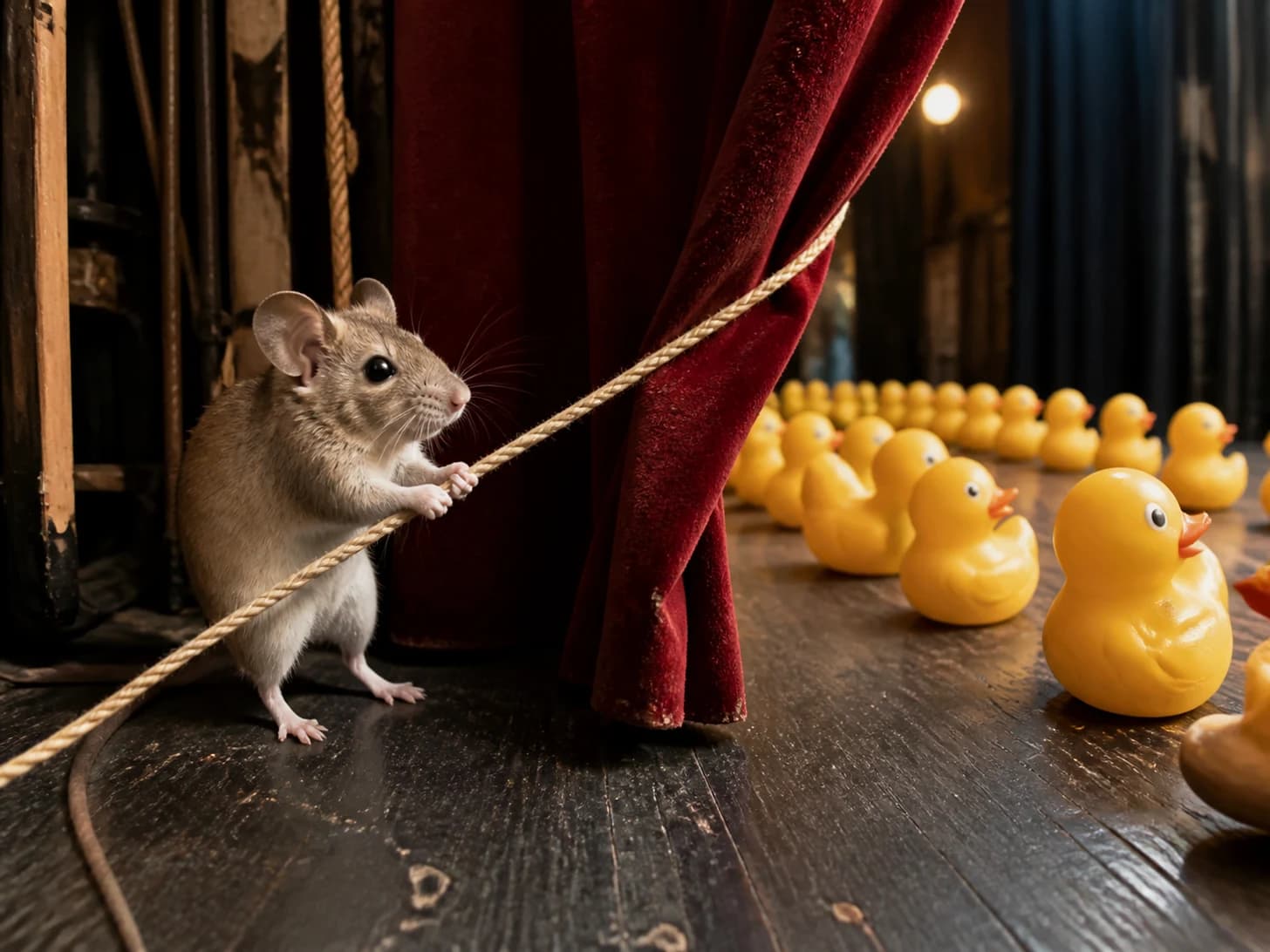
3 astrex mouse photos, newest first


Living with a astrex mouse
The sexes need different housing. Female mice are social and do well in small groups; adult males usually fight and are generally kept singly, which is the opposite of most small-pet advice and catches people out.
Use a tank or a cage with very narrow bar spacing — mice escape through remarkably small gaps — with deep bedding for burrowing, a solid wheel and plenty to climb.
Male mice scent-mark heavily and the smell is the usual reason people rehome them; frequent spot-cleaning helps more than complete changes, which remove their scent entirely and cause stress.
They are nocturnal and short-lived. Watch for respiratory infection and skin mites.
General guidance, not veterinary advice. Individual critters vary, and anything about a specific animal is a question for a vet who has seen it.
Worth reading alongside this
More critters by breed
Every critter breed somebody has posted a photo of.
- Abyssinian guinea pig3
- African pygmy hedgehog3
- Albino ferret3
- Beige chinchilla3
- Berkshire rat3
- Black bear hamster3
- Black sable ferret3
- Black velvet chinchilla3
- Ferret3
- Golden hamster3
- Guinea pig3
- Abyssinian satin guinea pig2
- Albino hedgehog2
- Algerian hedgehog2
- Alpaca guinea pig2
- American guinea pig2
- American satin guinea pig2
- Baldwin guinea pig2
- Blaze ferret2
- Blazed rat2