
A rabbit that stops eating is an emergency
A rabbit's gut never stops, and when it does the animal can die within a day. What causes stasis, the signs, and why hay matters more than pellets.
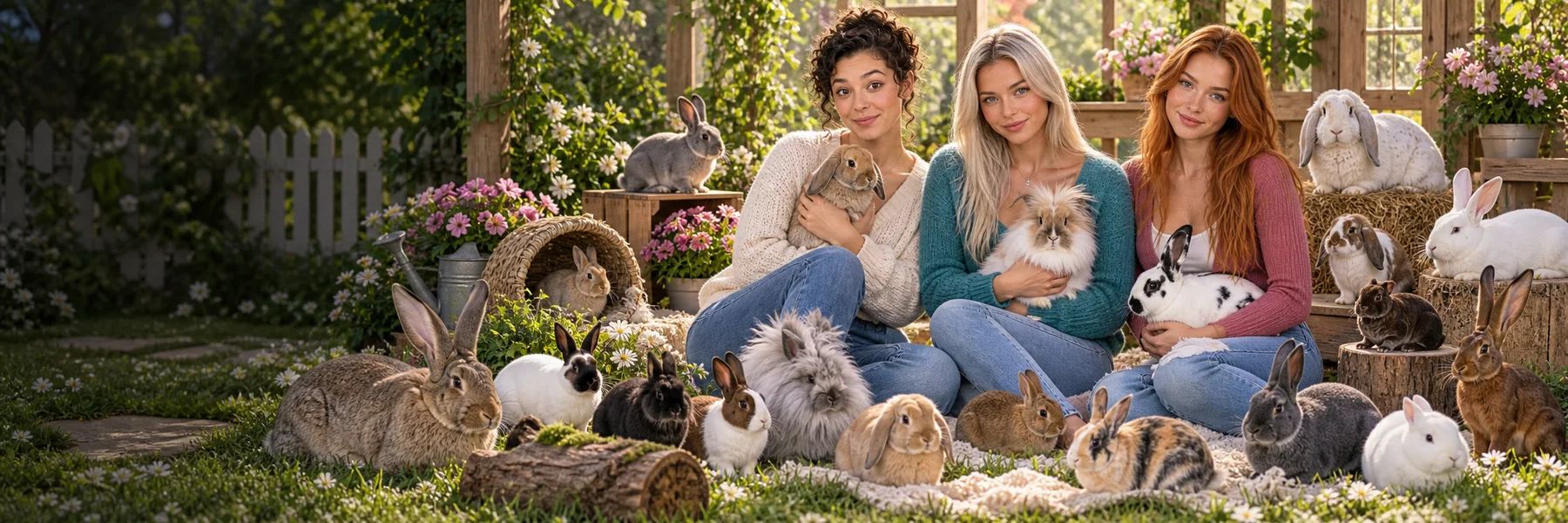
46 photos across 17 breeds
🐇 Rabbits are the third most commonly kept pet in much of Europe and among the most misunderstood. They are prey animals, which shapes everything: they hide illness until it is advanced, they startle at being picked up, and they need to be able to see what is coming.
The old picture of a solitary rabbit in a hutch at the end of the garden is now considered poor welfare almost everywhere. Rabbits are highly social, need space to run and stand fully upright, and in most countries are kept in bonded pairs as a matter of course.
👶 They are also the wrong animal for the job they are most often bought for. A rabbit is not a starter pet for a young child: it does not want to be picked up, it is easily injured by being held badly, and it needs more space, more veterinary attention and more years of commitment than the hutch it is sold with implies. Bought for a seven-year-old, a rabbit is usually an adult's animal within a year.
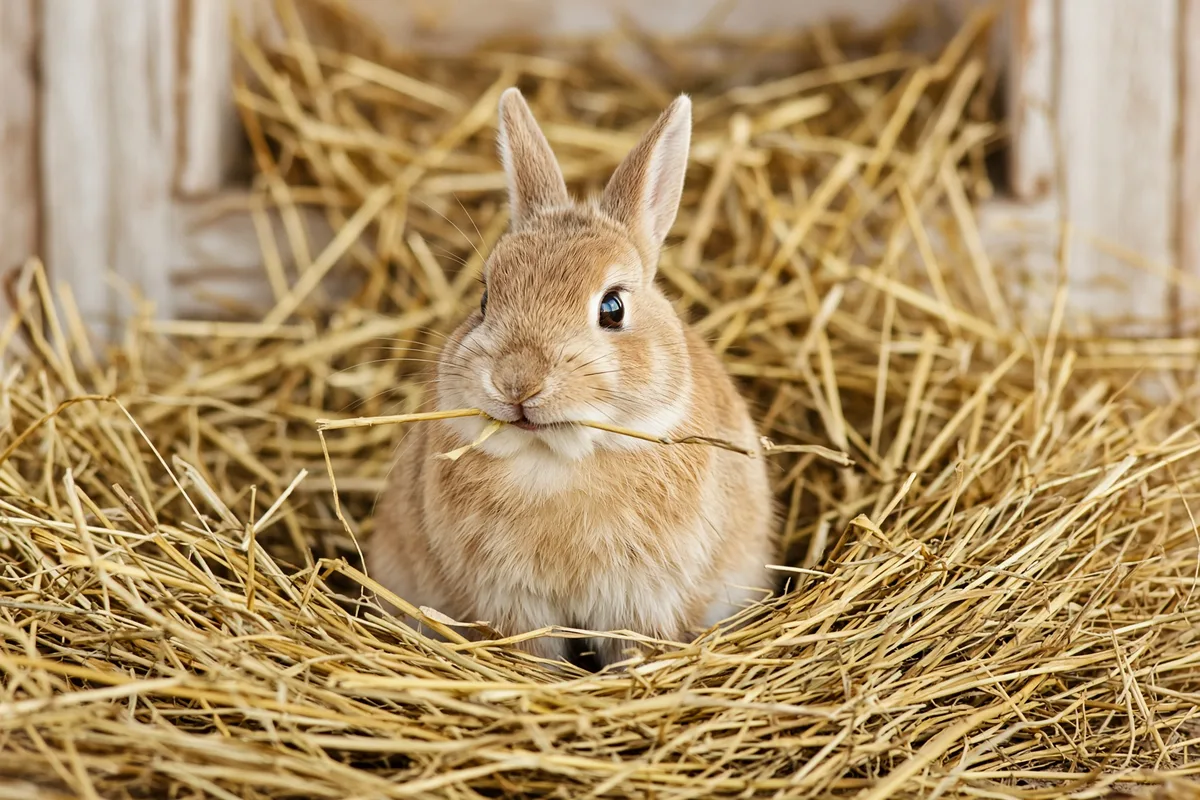
🌾 The diet is the thing that surprises people most. Hay is not bedding, it is roughly eighty per cent of what a rabbit should eat, and it is what keeps the teeth worn down and the gut moving. A rabbit fed mostly on pellets and vegetables develops dental disease and gut problems, in that order, and both are expensive.
📏 Size varies more than most people expect. A Netherland dwarf is under a kilo; a Beveren or a Blanc de Hotot is a substantial armful of rabbit. Coat varies just as much — an Angora is a wool animal that needs clipping or grooming its whole life, which is a genuinely different commitment from a Californian.
General guidance, not veterinary advice. Anything about a specific animal is a question for a vet who has seen it.
A place to start rather than the whole list. Every name is a page.
One of the smallest breeds and among the longest-lived at ten to twelve years. Small does not mean easy: the dwarfing gene brings dental crowding, so teeth need watching closely.
A small lop with the ears that make the breed, and the ear canal that comes with them — lops are structurally prone to wax build-up and ear infections. Popular, and popular for looks rather than for ease.
The wool mane is the breed. It needs grooming, particularly around the face and the rear, and it is the one part of the rabbit a new owner tends to forget about.
A large, hardy, even-tempered rabbit with dark points on a white coat — bred originally as a dual-purpose meat and fur animal, which is why it is built solidly and tends to be calm.
A wool breed, and a different commitment entirely. Several distinct types exist and they differ in whether the wool sheds or has to be clipped. Neglected, it mats to the skin.
Not a hare — a rabbit bred to look like one, long-limbed and unusually athletic. Nervier and more active than most breeds, and not a beginner's rabbit.
The subjects that come up on breed page after breed page, written out properly.
A rabbit's gut never stops, and when it does the animal can die within a day. What causes stasis, the signs, and why hay matters more than pellets.

Light, height, focus and patience — what separates a good pet photo from a blurred one, and how to handle black cats, white dogs and animals that never sit still.
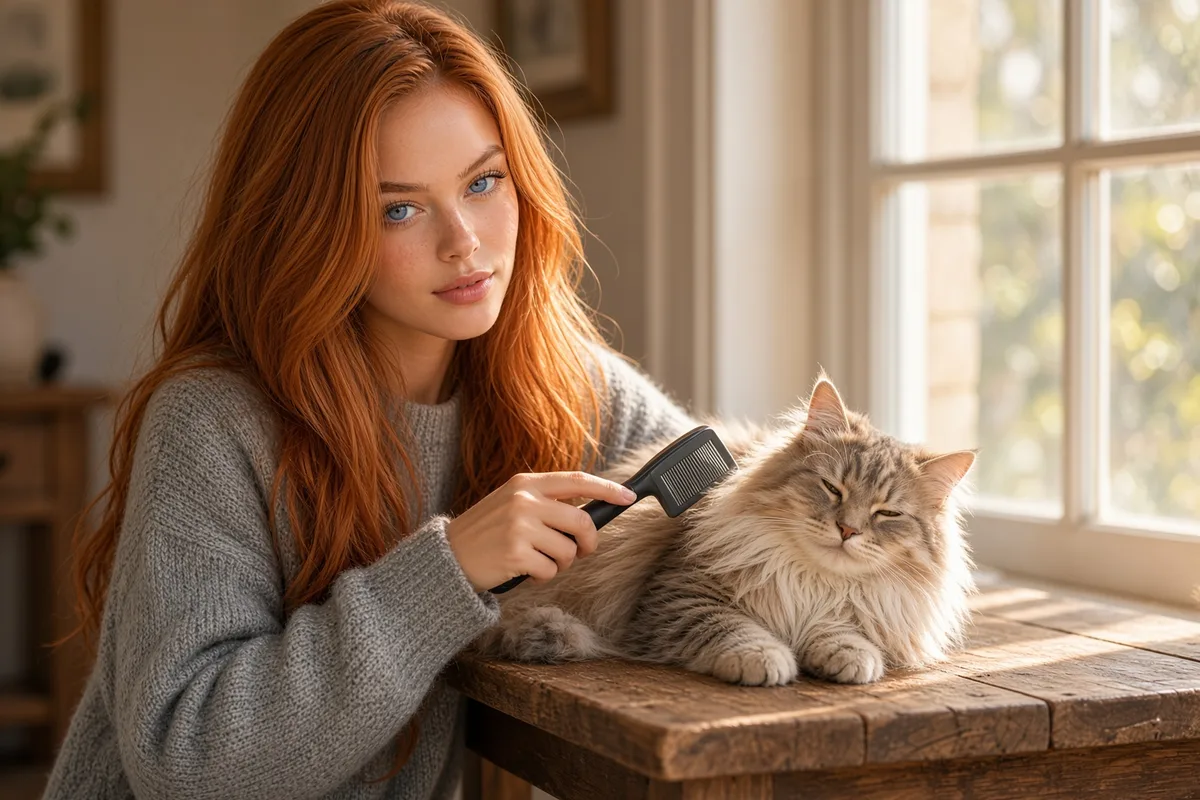
Single, double, wire, curly and hairless coats need completely different things. Why you never shave a double coat, and why a mat has to be cut out.
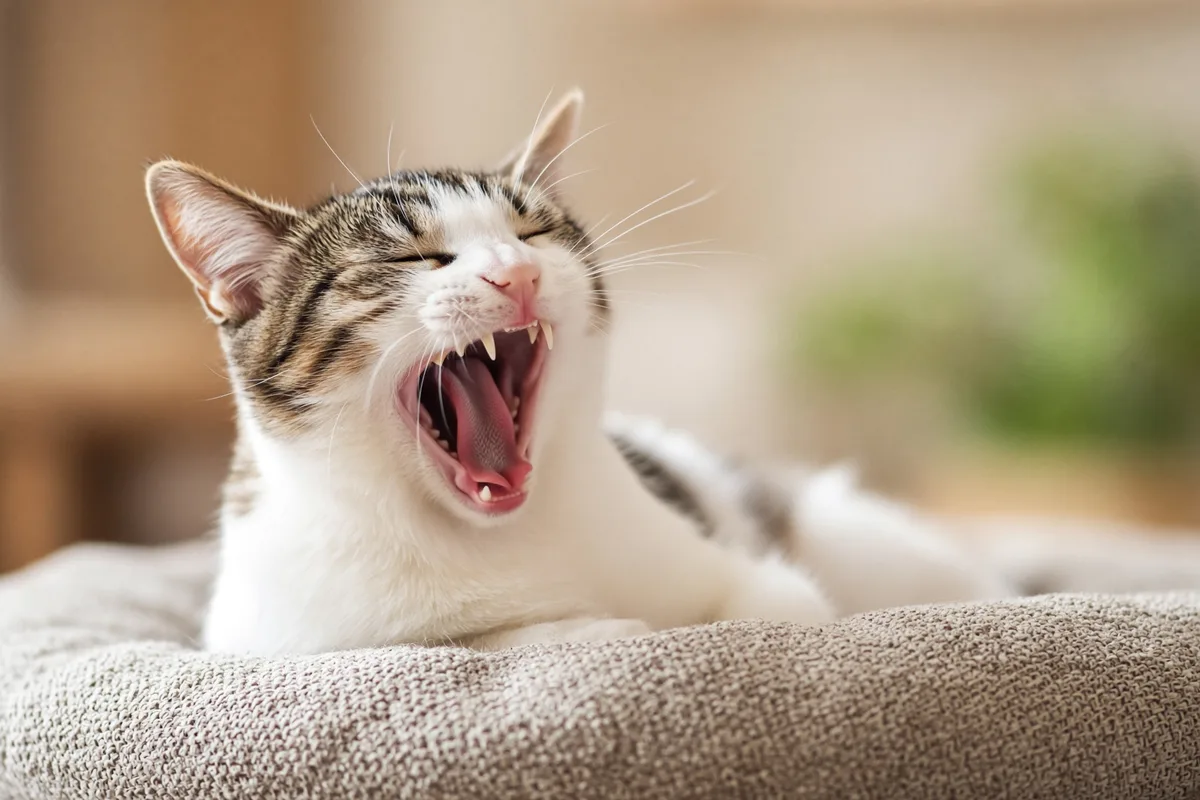
Most dogs and cats have periodontal disease by three years old, and it is almost entirely silent. What it does, what actually prevents it, and what to avoid.
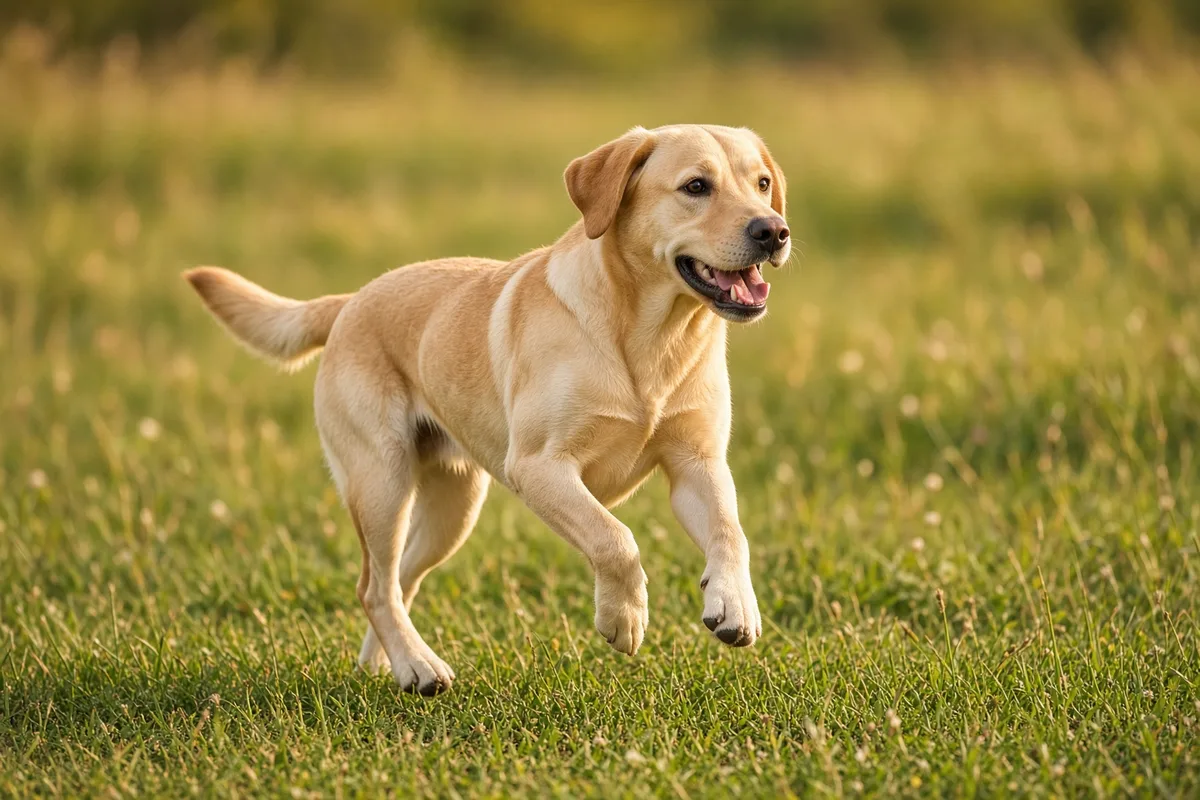
Around half of dogs and cats are overweight, and lean-fed dogs live nearly two years longer. How to body-condition score, and how to feed for it.

Some breeds were made to be companions and cope badly by themselves. How long is reasonable, how to build up alone-time, and when it is a panic disorder.
Every breed somebody has posted, A to Z.