Netherland dwarf
The Netherland dwarf was developed in the Netherlands in the early twentieth century from Polish stock crossed with small wild rabbits, and is the smallest widely recognised breed — most adults weigh under a kilogram.
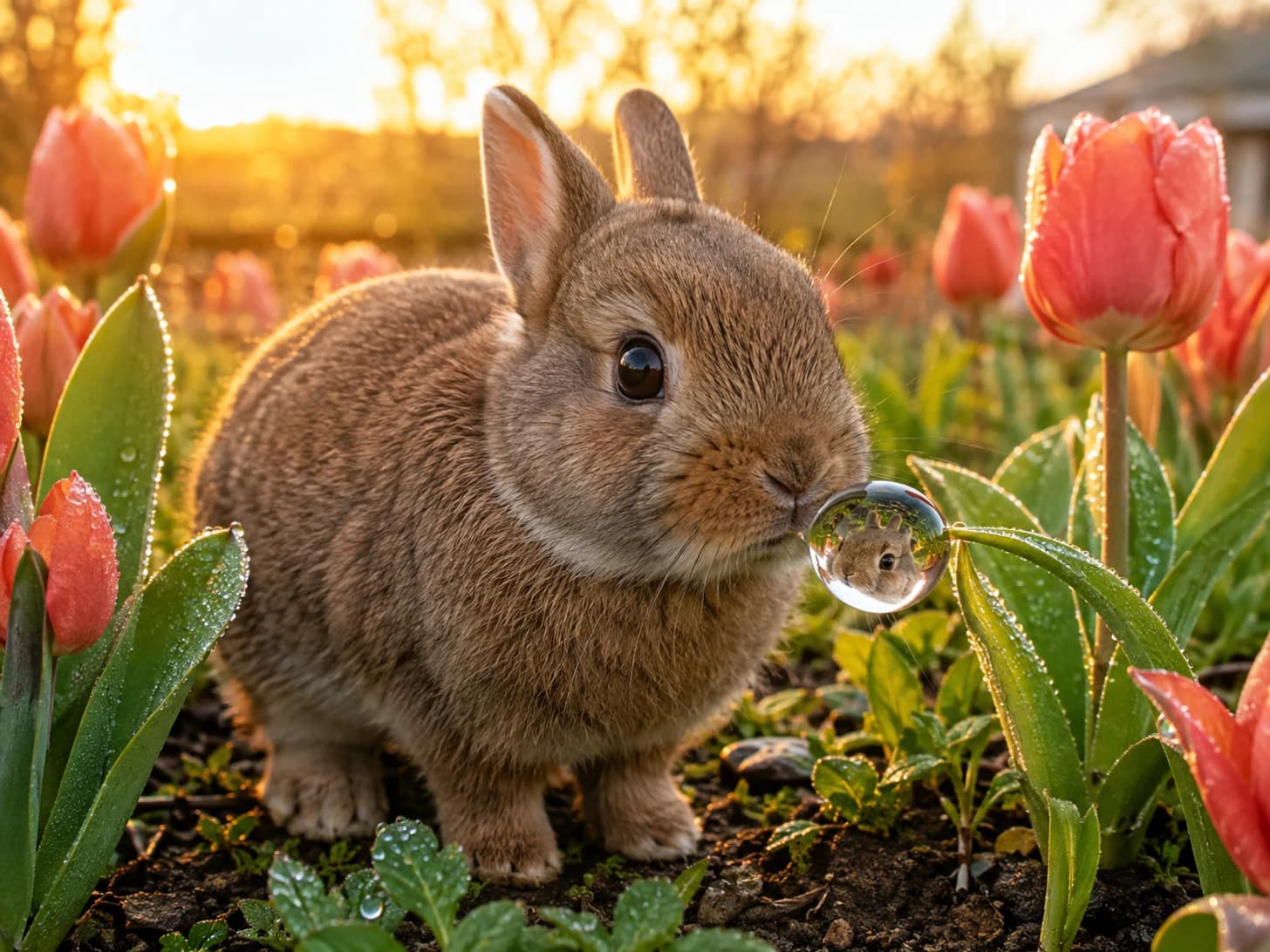
It has a distinctly babyish look that it keeps for life: a round head disproportionate to the body, short ears and large eyes, all caused by the dwarfing gene. That gene is also the breed's central health consideration. Temperament varies more than in most breeds; early lines were notably nervous, and while modern pet stock is generally calmer, Netherland dwarfs remain more reactive than a larger rabbit.
- Origin
- Netherlands, early 1900s
- Size
- 0.7–1.1 kg
- Lifespan
- 10–12 years
- Coat
- Short, soft and dense
- Temperament
- Variable; often lively and easily startled
- Recognition
- Very widely kept
3 netherland dwarf photos, newest first



Living with a netherland dwarf
Grooming is minimal — weekly, more during a moult.
The dwarfing gene matters. A rabbit inheriting two copies is a peanut and does not survive beyond a few weeks; a responsible breeder will explain this. In surviving dwarfs the shortened skull crowds the teeth, and malocclusion is the most common health problem in the breed — an annual dental check is genuinely worthwhile, and drooling, dropped food or weight loss warrants a vet.
Small size does not reduce space or company requirements. Keep in neutered pairs, feed mostly hay, and vaccinate annually against myxomatosis and both RHD strains.
General guidance, not veterinary advice. Individual rabbits vary, and anything about a specific animal is a question for a vet who has seen it.
Worth reading alongside this
More rabbits by breed
Every rabbit breed somebody has posted a photo of.