American sable
The American sable was developed in California in the 1920s from chinchilla crosses and recognised in 1931.
It declined almost to extinction by the 1980s before a deliberate revival brought numbers back, though it remains uncommon.
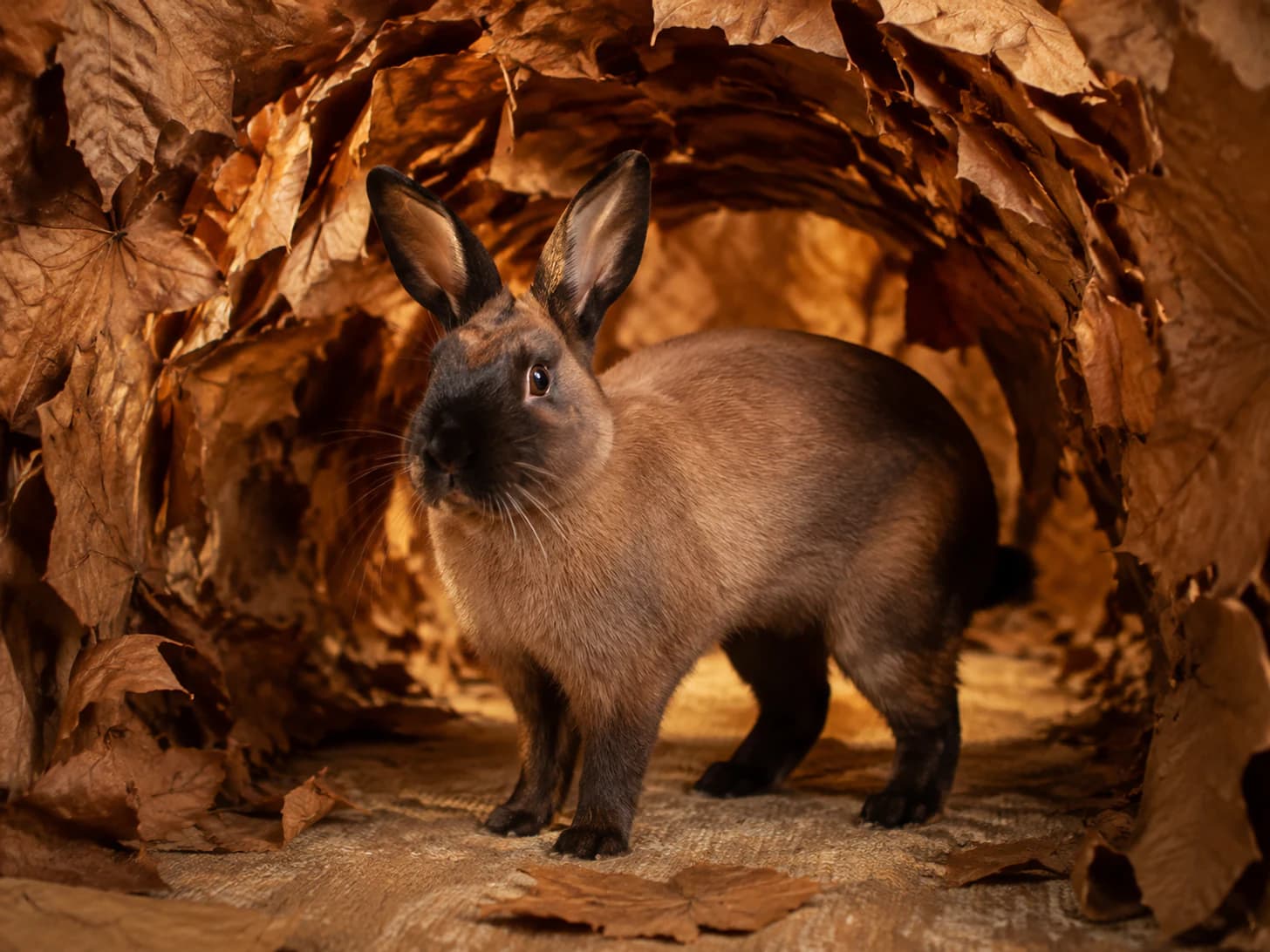
It is a medium commercial-type rabbit of about four kilograms, and the colouring is what defines it: a rich sepia shading across the back and darkening to near-black on the face, ears, feet and tail, in the same manner as a sable-pointed cat. The eyes glow ruby in low light. Temperament is described consistently as docile and affectionate, and the breed handles calmly.
- Origin
- California, United States, 1920s
- Size
- 3–4.5 kg
- Lifespan
- 8–10 years
- Coat
- Short dense sepia coat, shading darker at the points
- Temperament
- Docile, affectionate, calm to handle
- Recognition
- Uncommon; conservation priority breed
Related: American · American chinchilla · American fuzzy lop
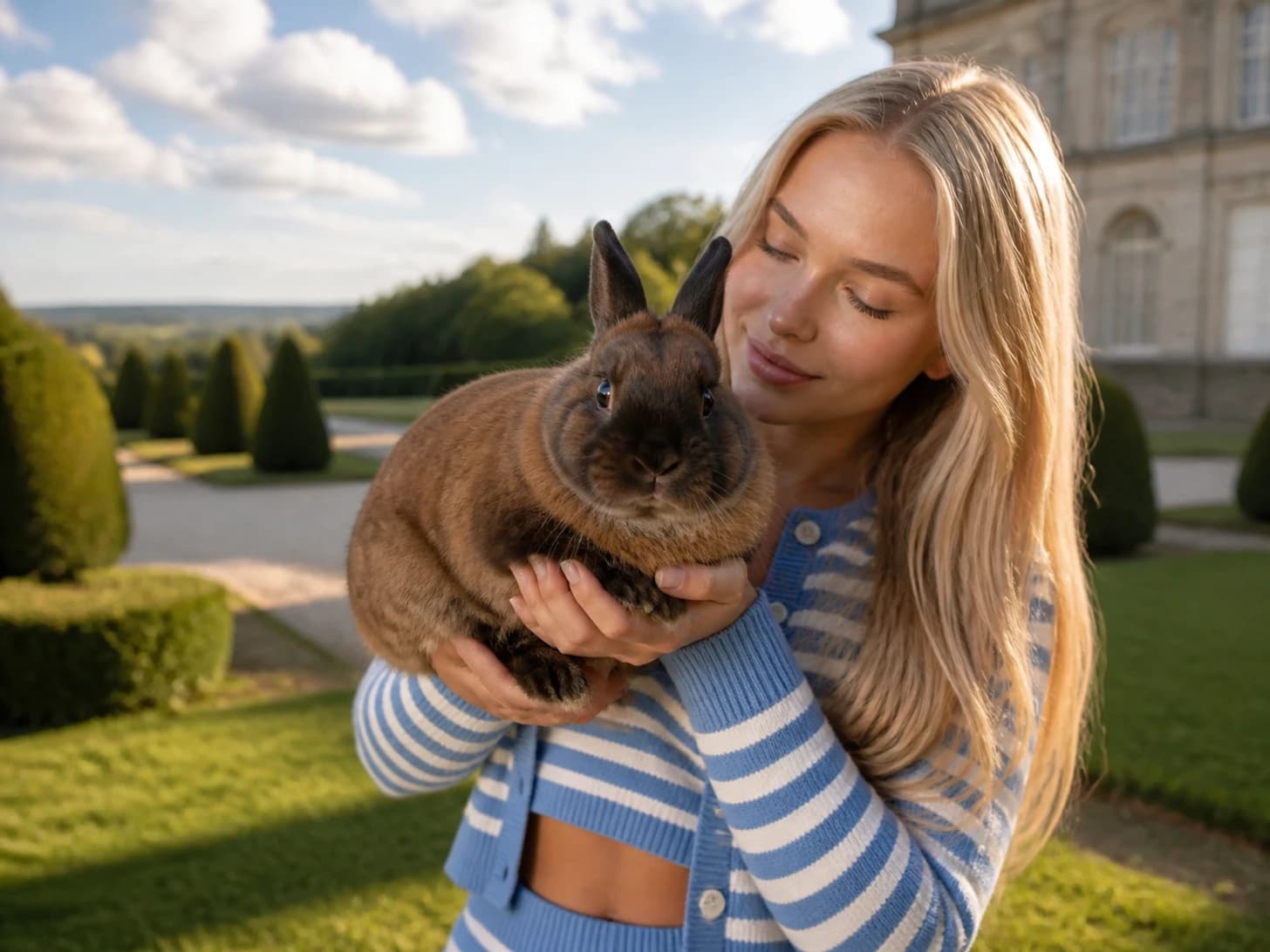
3 american sable photos, newest first

Living with a american sable
A weekly brush suits the short dense coat, with more attention during a moult to reduce swallowed fur.
As with every rabbit: neutered pairs, space to run and stand upright, hay as the bulk of the diet, and annual vaccination against myxomatosis and both RHD strains.
The shaded colouring is temperature-sensitive, as in Siamese cats, so a rabbit kept somewhere cold darkens over time. It is a curiosity rather than a health matter.
Check teeth, hind feet and rear end weekly. A rabbit that stops eating or passing droppings needs a vet the same day — gut stasis kills quickly.
General guidance, not veterinary advice. Individual rabbits vary, and anything about a specific animal is a question for a vet who has seen it.
Worth reading alongside this
More rabbits by breed
Every rabbit breed somebody has posted a photo of.