Angora
Angora rabbits are among the oldest domestic breeds, recorded in France by the eighteenth century and long kept for their wool, which is spun into a fibre notably warmer and lighter than sheep's wool.
Several distinct types exist — English, French, German, Satin and Giant — differing in size and in whether the wool sheds or must be clipped.
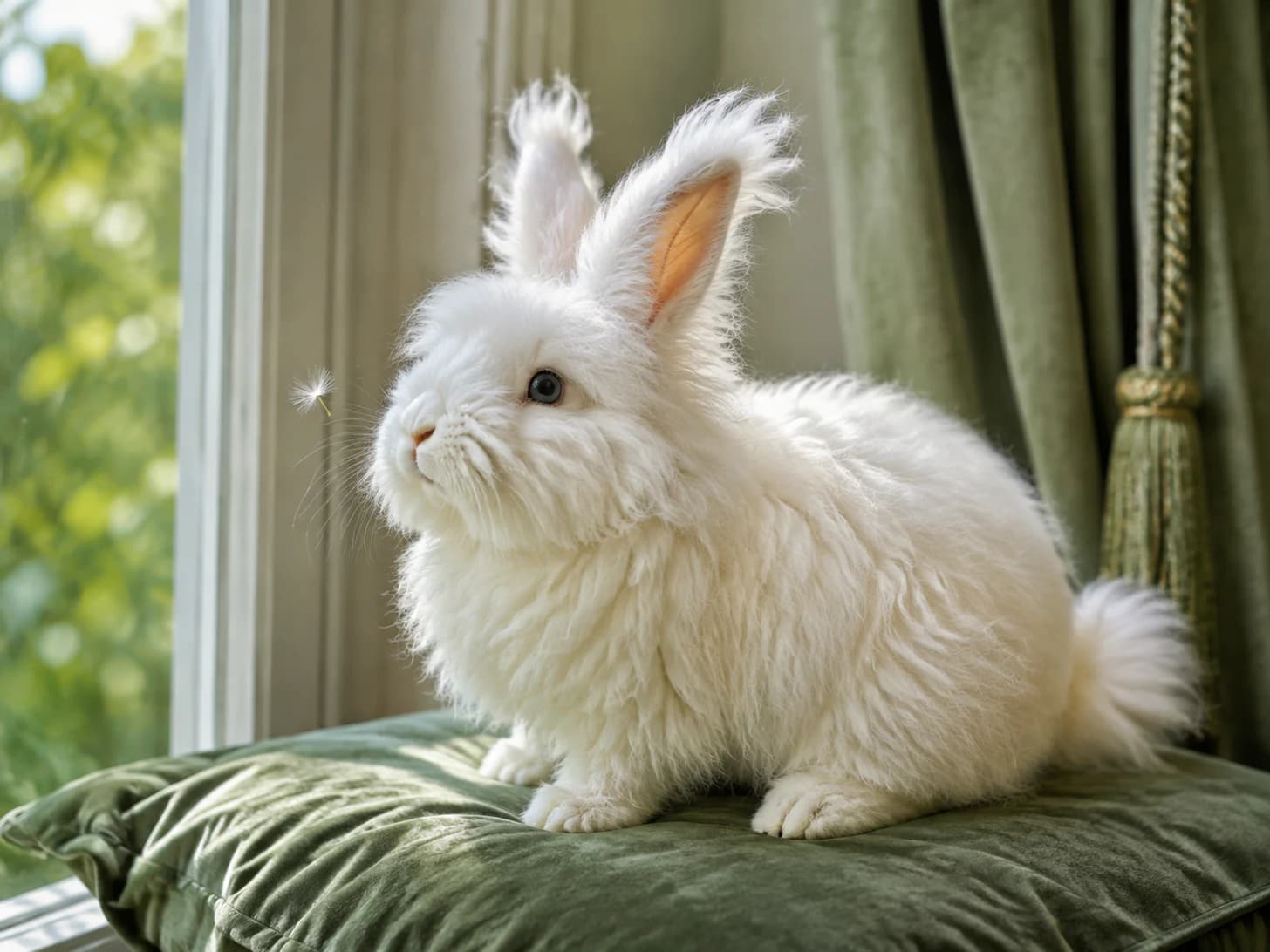
What they share is an extraordinary coat, growing continuously and reaching considerable length. Underneath, most angoras are medium rabbits of two to five kilograms depending on type. Temperament is generally placid, which is fortunate given how much handling the coat requires.
- Origin
- France, documented from the 1700s
- Size
- 2–5.5 kg depending on type
- Lifespan
- 7–12 years
- Coat
- Continuously growing wool, up to 15 cm or more
- Temperament
- Generally placid and tolerant of handling
- Grooming
- Daily; shearing every 3–4 months
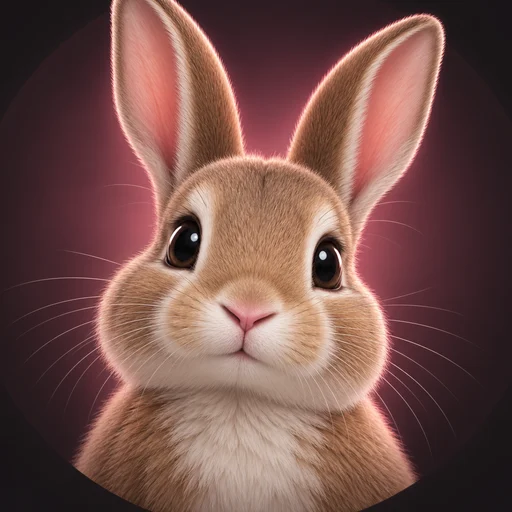
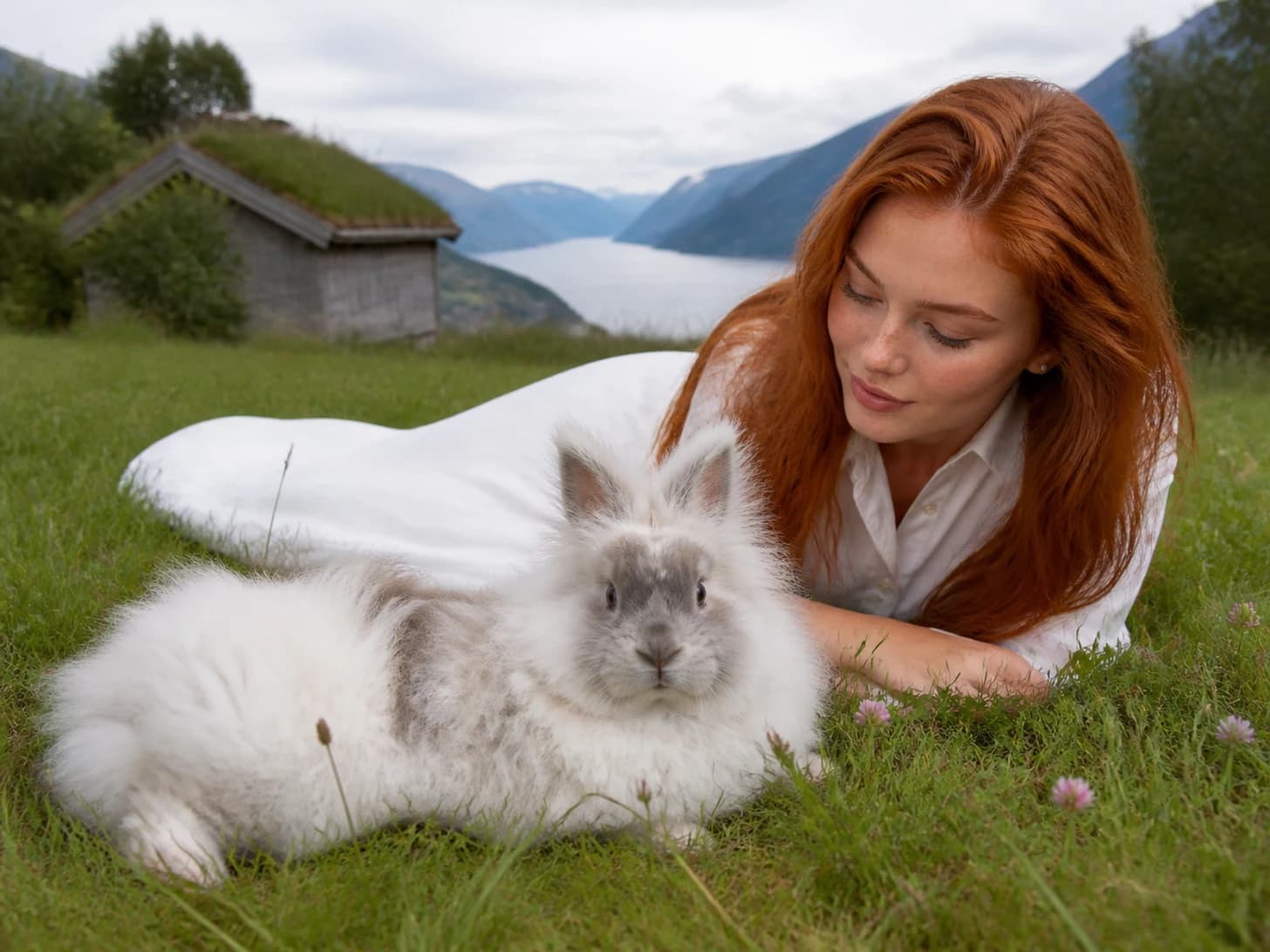
3 angora photos, newest first
Living with a angora
This is the highest-maintenance rabbit there is, and it is not a beginner's animal. The wool must be groomed daily and the rabbit shorn every three or four months. Neglected wool mats to the skin, causes painful pulling, and traps urine and faeces at the rear.
Wool block is the specific danger. A grooming rabbit swallows wool it cannot vomit, and an angora that stops eating or producing droppings is a same-day emergency.
Keep hay available constantly — the fibre keeps the gut moving and is the best defence against blockage. Otherwise the usual: neutered pairs, generous space, annual myxomatosis and RHD vaccination.
General guidance, not veterinary advice. Individual rabbits vary, and anything about a specific animal is a question for a vet who has seen it.
Worth reading alongside this
More rabbits by breed
Every rabbit breed somebody has posted a photo of.