What a bird breathes, and what kills it
A bird's lungs extract far more from each breath than ours, which is exactly why kitchen fumes kill them. What is dangerous, and how to keep the air safe.
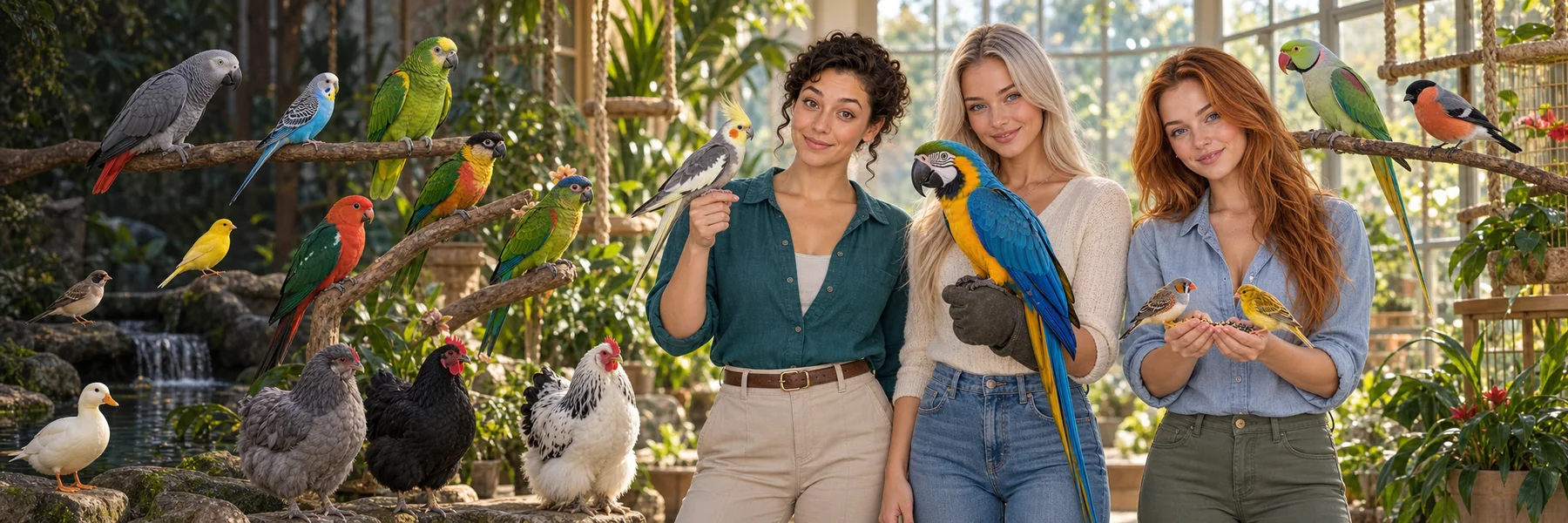
50 photos across 19 breeds
🦜 Kept birds range from finches that want to be watched rather than handled to parrots with the cognitive and emotional needs of a young child. Lumping them together is the single most common mistake a first-time owner makes.
The parrot family in particular — macaws, amazons, African greys, conures, cockatiels — are long-lived, loud, highly intelligent and deeply social. Many outlive their owners. A bored parrot does not sulk quietly; it screams, plucks its own feathers, and destroys what it can reach.
🤫 Birds are also the best concealers of illness of anything kept as a pet. A wild bird that looks ill is a bird something eats, so the instinct is to look well until looking well is impossible — which means a bird sitting fluffed up and quiet on the floor of its cage is not in a mood, it is at the end of an illness it has been hiding for days. Nothing about keeping birds matters more than learning to read the small changes: weight, droppings, the pitch of the noise it makes in the morning.
🔊 Noise deserves its own paragraph because it is the reason most parrots are rehomed. A conure at full volume carries through walls and down a street. Flock calls at dawn and dusk are normal behaviour rather than misbehaviour, they cannot be trained away, and no amount of loving the bird makes a neighbour tolerate them.
🥬 The diet most birds are sold with is the one that shortens their lives. An all-seed mix is the avian equivalent of living on crisps: palatable, fatty and deficient. Most species need a formulated pellet as the base with fresh vegetables on top, and changing a seed addict over takes weeks of patience rather than a decision.
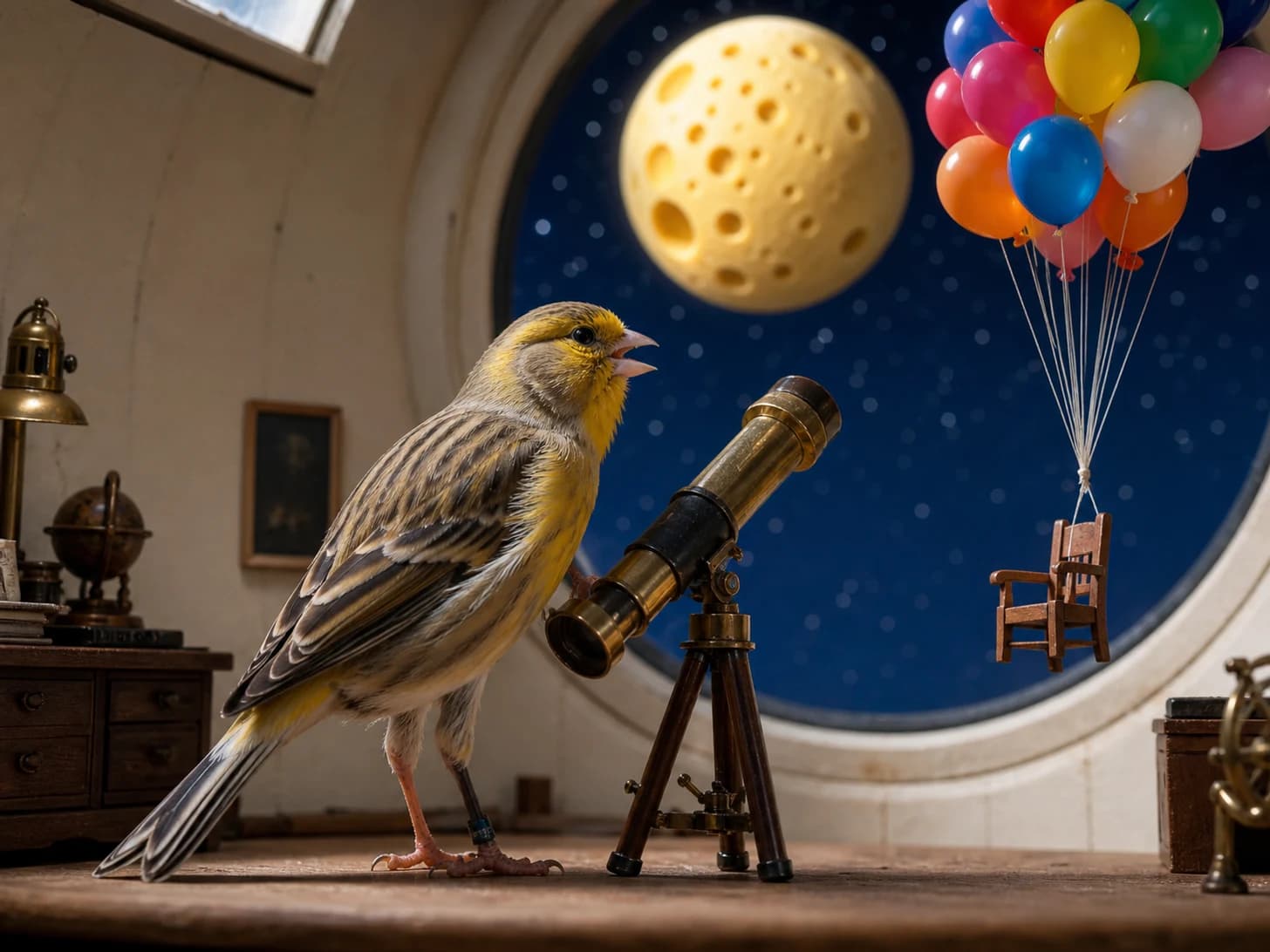
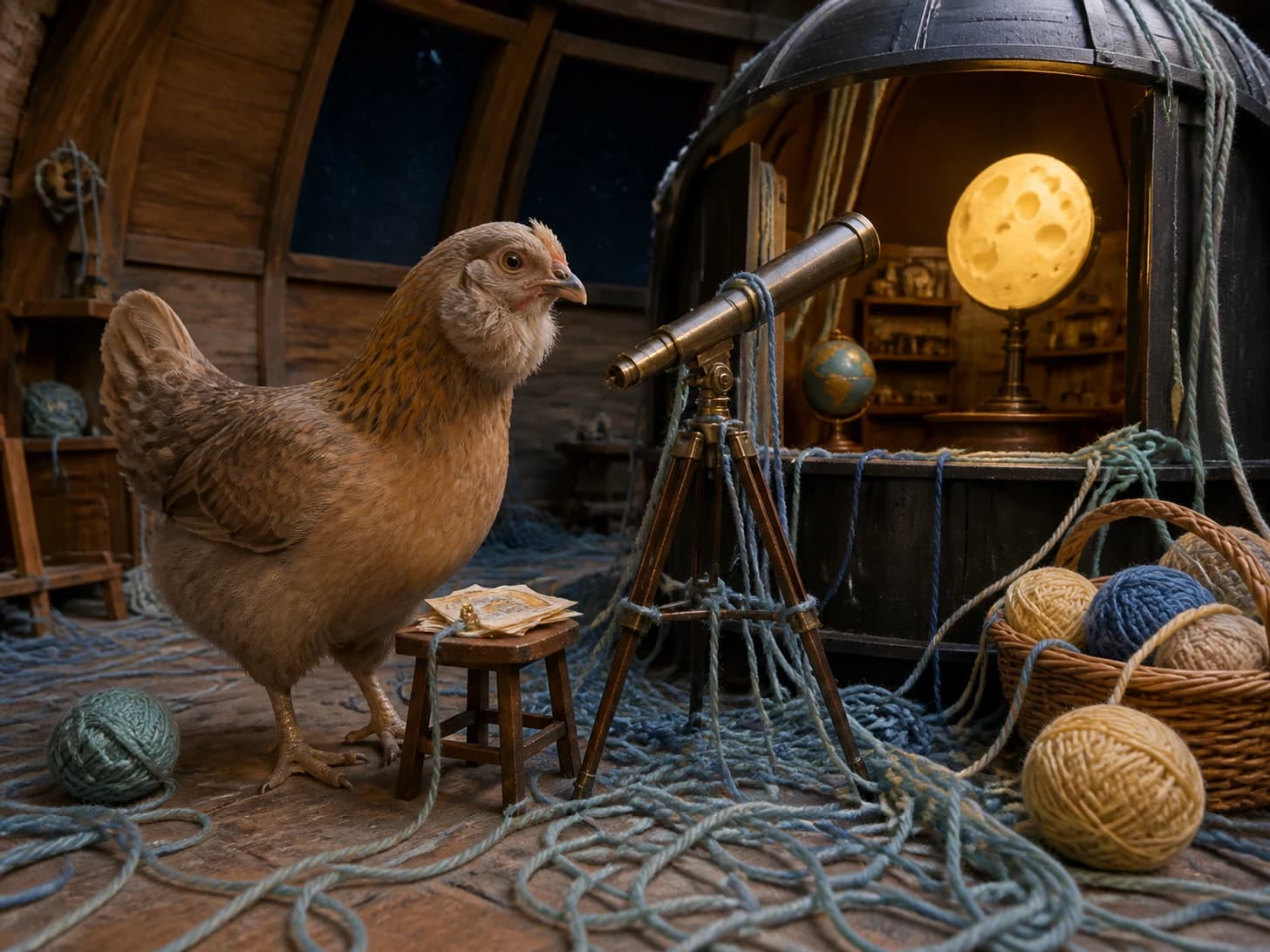
Domino 11 sings at that window every night. Tonight the moon has come out looking like cheese and the chair has floated off again.
FrostyOtter · 1 week ago
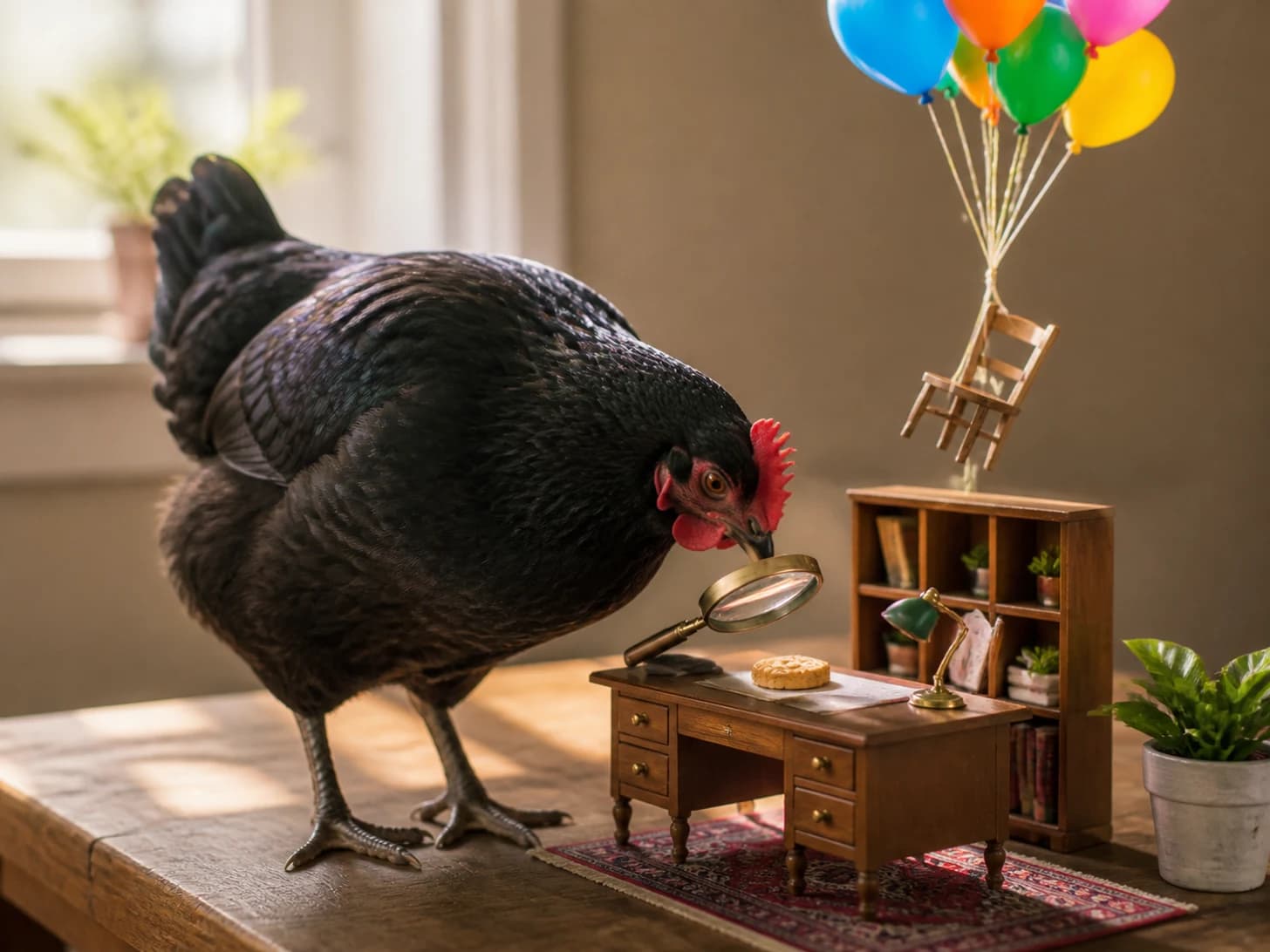
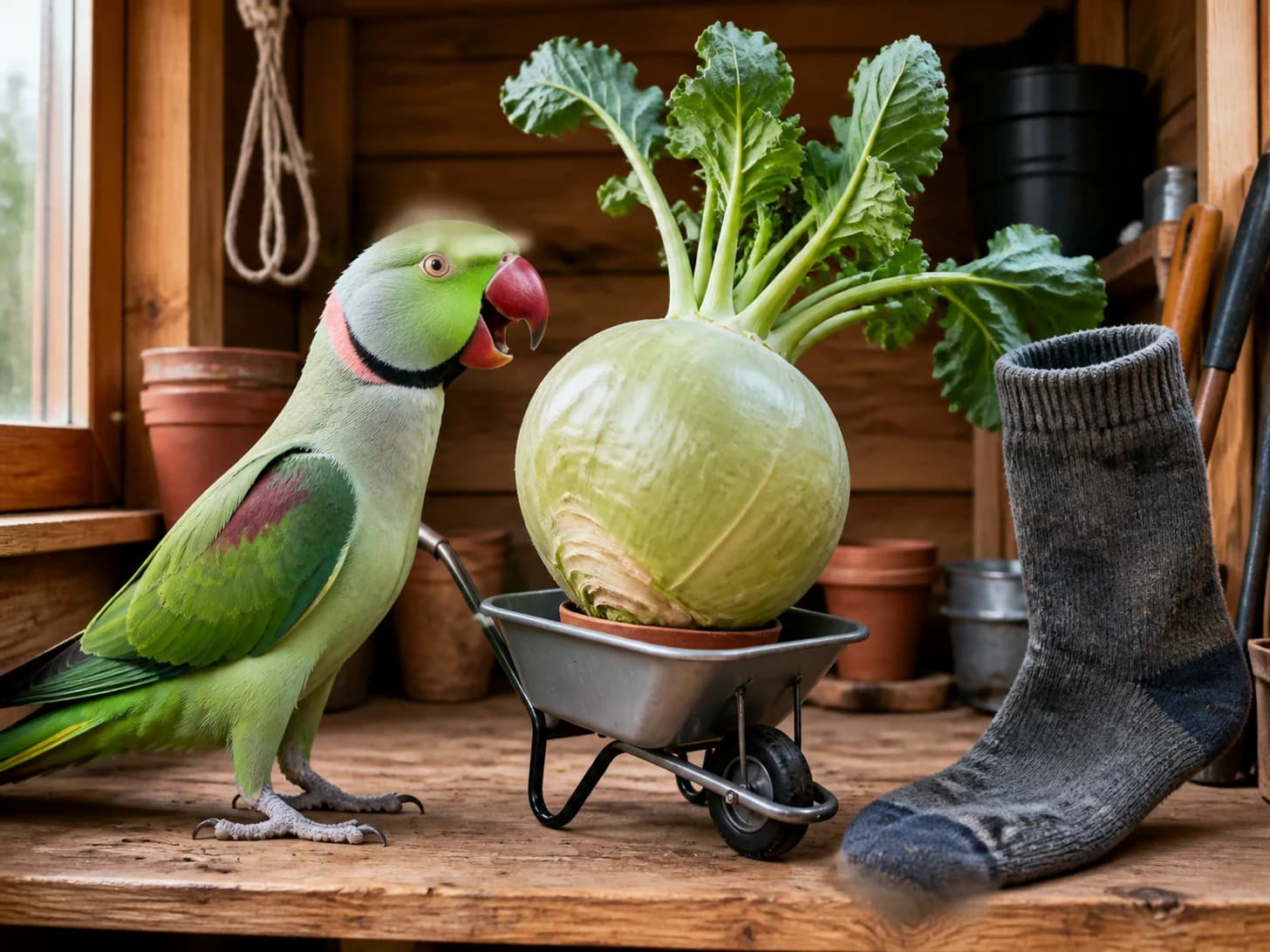
Amber VII examined the biscuit under glass for a full minute before eating it. The little chair went up on the balloons and has not come down.
FrostyOtter · 1 week ago
General guidance, not veterinary advice. Anything about a specific animal is a question for a vet who has seen it.
A place to start rather than the whole list. Every name is a page.
The sensible first parrot: small, cheap to house, genuinely talkative and sociable with its own kind. Keep two. Show-bred budgies are larger and shorter-lived than the wild-type birds.
A small cockatoo, which the crest gives away — gentler and much quieter than the big parrots, and a whistler rather than a talker. Fifteen to twenty-five years.
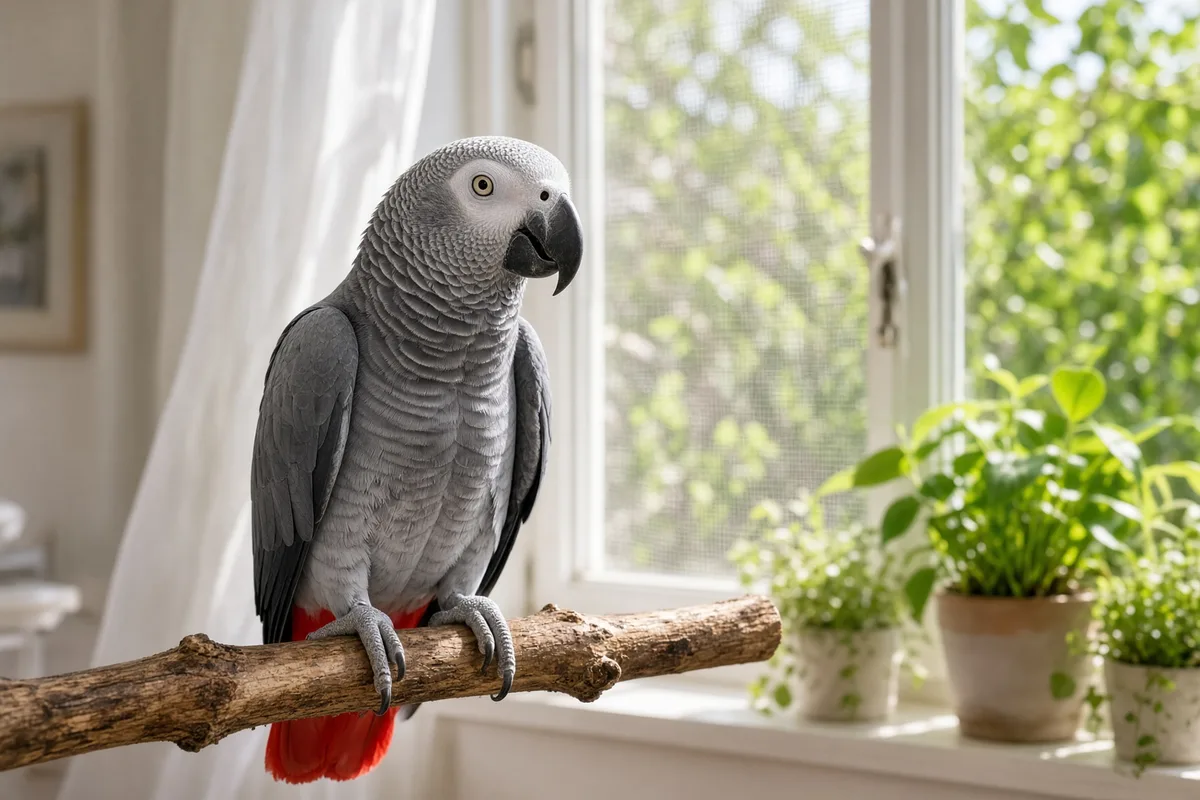
The famous talker, and the clearest case of a bird being too clever for a quiet life. Forty to sixty years, prone to feather-plucking when bored, and a genuine lifetime commitment.
Enormous, spectacular, and loud in a way that has to be heard before it is believed. Fifty years or more, often sixty, with a beak that will remove anything wooden in the room.
A bird to be watched rather than handled, and unusual in having no wild population at all. Easy, quiet, sociable, and the right answer for somebody who wants birds without a parrot.
Sturdy, confident and a strong talker, with a tendency to bond hard to one person and object loudly to everyone else. Fifty years plus, and prone to obesity on a seed diet.
The subjects that come up on breed page after breed page, written out properly.
A bird's lungs extract far more from each breath than ours, which is exactly why kitchen fumes kill them. What is dangerous, and how to keep the air safe.

Light, height, focus and patience — what separates a good pet photo from a blurred one, and how to handle black cats, white dogs and animals that never sit still.

Some breeds were made to be companions and cope badly by themselves. How long is reasonable, how to build up alone-time, and when it is a panic disorder.

A great many of the breed profiles here mention a narrow gene pool. What that actually means, why one stallion can reshape a breed, and what to ask a breeder.

Heatstroke kills quickly and is entirely preventable. Which animals are at risk, the signs, and the cooling that current evidence actually supports.

Rescue animals arrive without a history and settle on their own timetable. What decompression means, what the first three months look like, and what helps.
Every breed somebody has posted, A to Z.