Bengalese finch
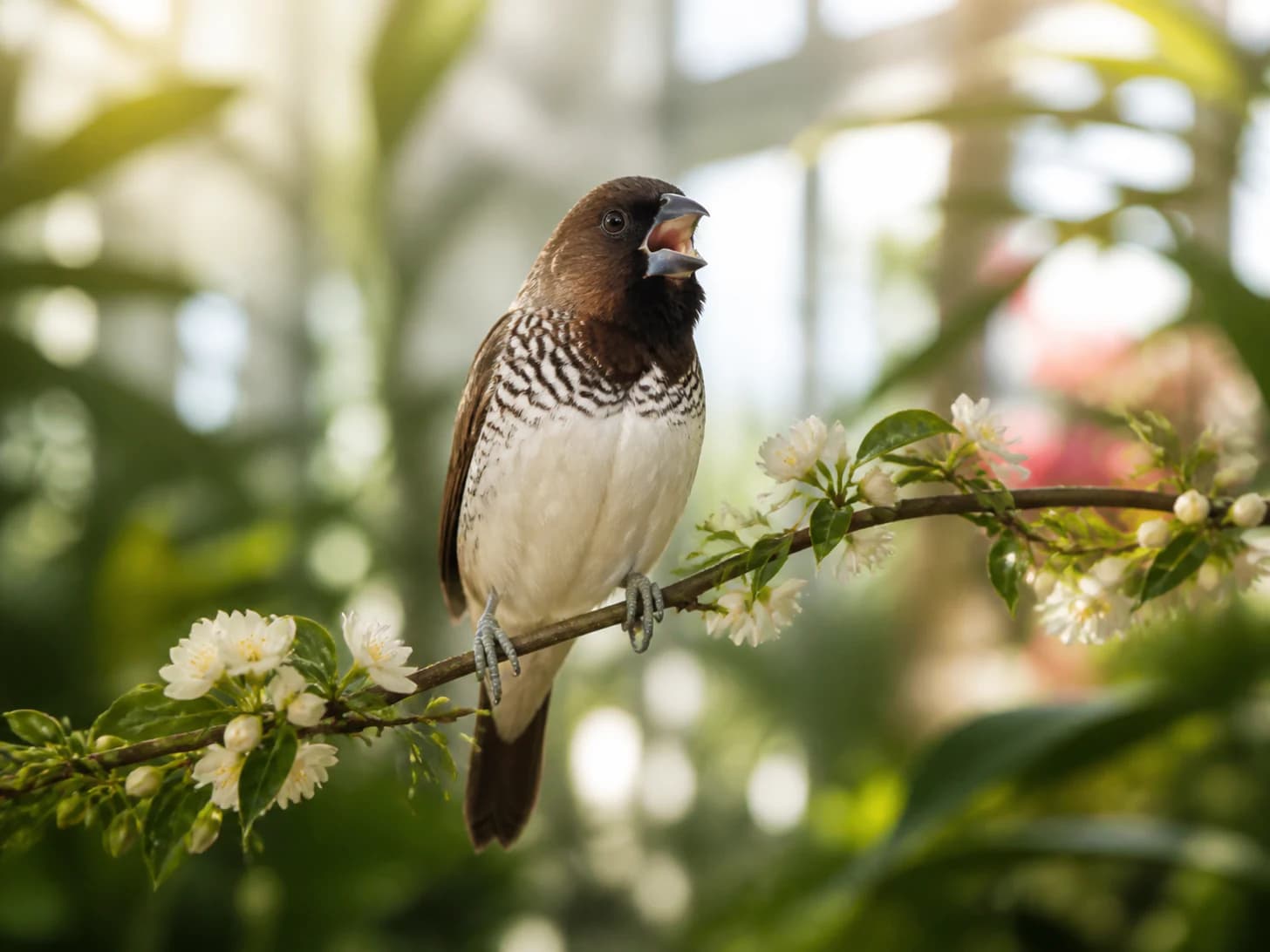
The Bengalese finch, called the society finch in North America, is unusual among kept birds in having no wild population at all.
It was domesticated in Asia several hundred years ago, most likely from the white-rumped munia, and exists only in captivity.
It is a small finch of about eleven centimetres in chocolate, fawn and white pied combinations, sometimes crested. What made it valuable to aviculture is its temperament: Bengalese are so reliably calm and so willing to incubate that they are used as foster parents for the eggs of more difficult finch species. They are peaceable, highly social and easy to keep.
- Origin
- Domesticated in Asia; no wild population
- Size
- About 11 cm
- Lifespan
- 5–9 years
- Diet
- Finch seed mix or pellets, greens, egg food when breeding
- Temperament
- Peaceful, highly social, calm; not a handling bird
- Noise
- Very quiet; a soft chattering song
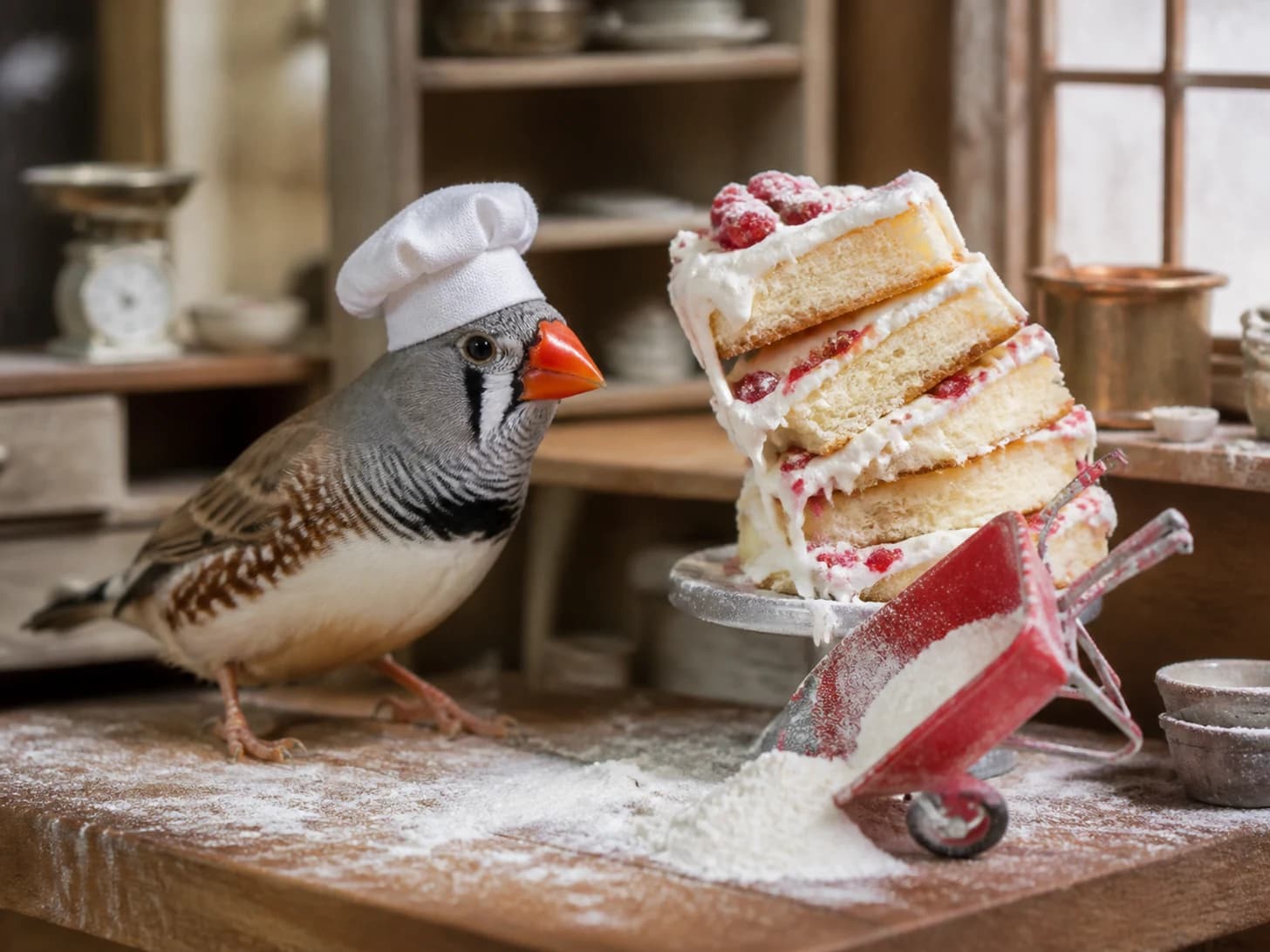
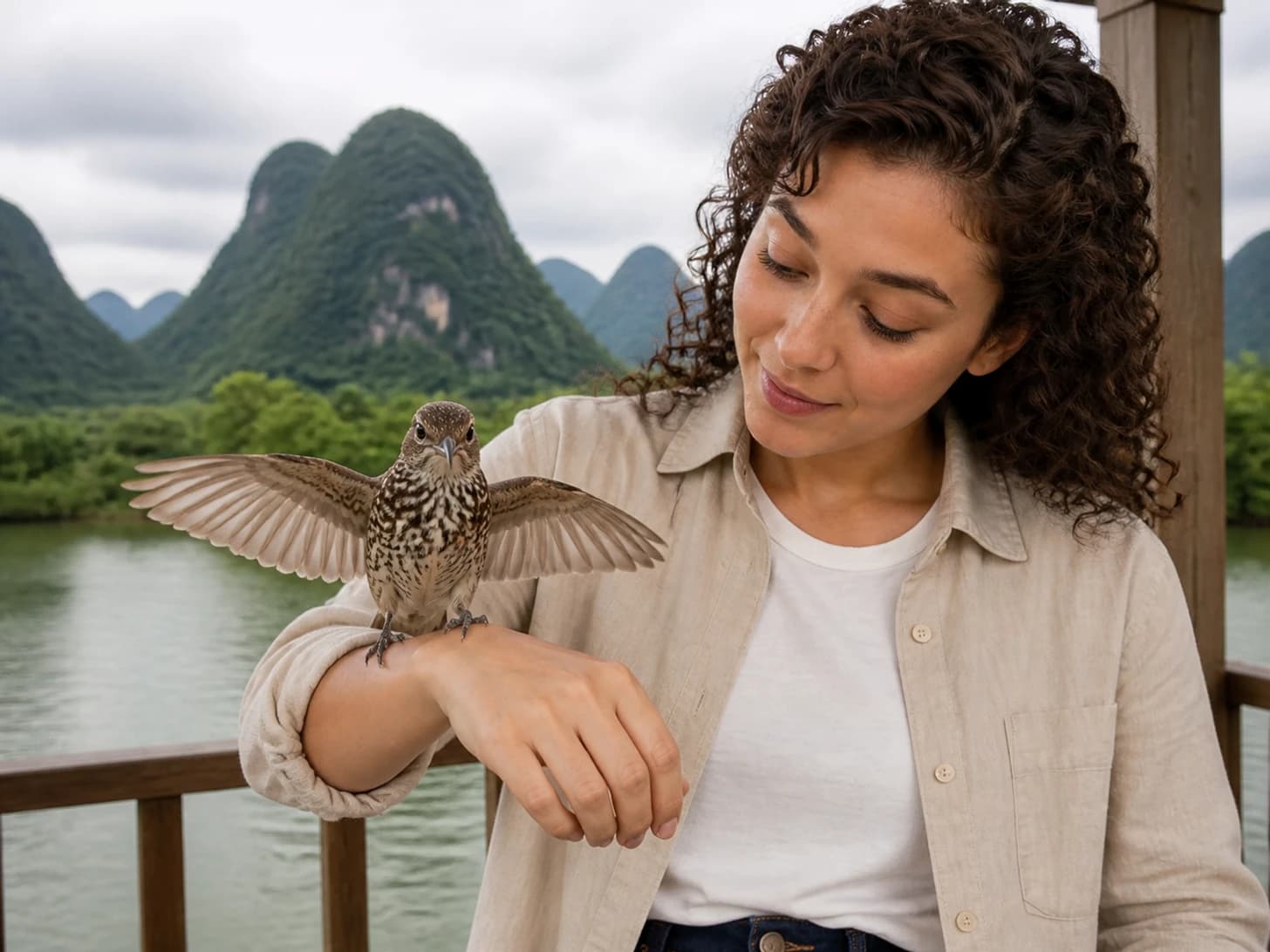
3 bengalese finch photos, newest first
Living with a bengalese finch
Never keep one alone. Bengalese are intensely social and should be kept in pairs or small groups, and they are peaceable enough to mix with most other small finches.
They need a long flight cage rather than a tall one; finches fly horizontally.
They are watching birds and do not tame to the hand — expecting otherwise leads to a stressed bird.
Provide a shallow bath dish, cuttlefish for calcium, and millet sparingly. They breed very readily in mixed company, so separate the sexes unless you want chicks. Air quality matters as with all birds.
General guidance, not veterinary advice. Individual birds vary, and anything about a specific animal is a question for a vet who has seen it.
Worth reading alongside this
More birds by breed
Every bird breed somebody has posted a photo of.