Brahma
The Brahma was developed in the United States in the 1800s from very large feather-legged birds imported from Shanghai, and was for decades the principal meat breed in America.
Its size and presence earned it the nickname King of All Poultry.
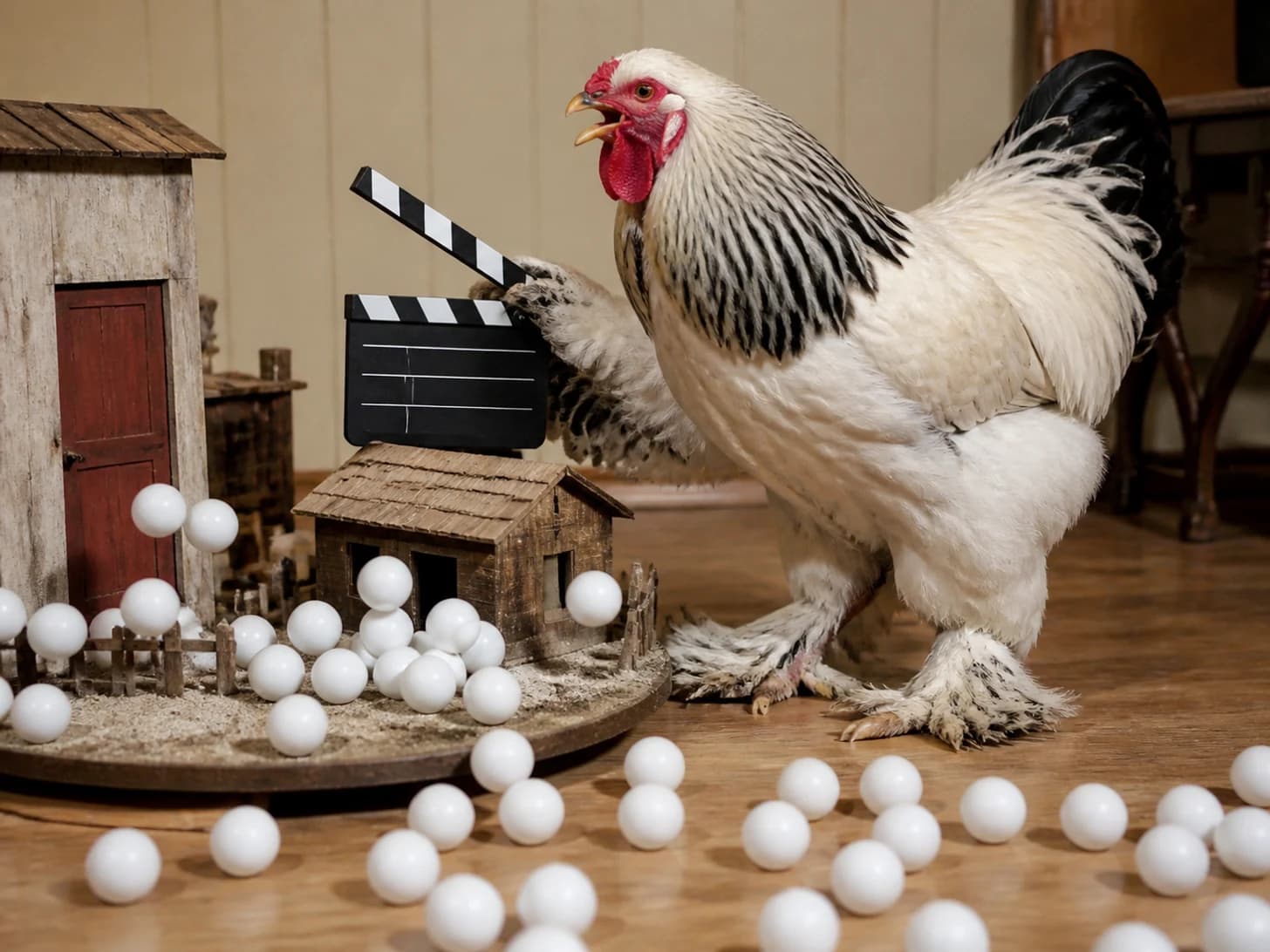
It is one of the largest chicken breeds, deep-bodied and upright, with a small pea comb, heavily feathered legs and feet, and a calm, almost stately manner. Despite the size Brahmas are famously docile and easy to handle, and the pea comb and dense feathering make them among the most cold-hardy chickens kept.
- Origin
- United States, from Shanghai imports, 1800s
- Size
- 3.4–5.4 kg
- Lifespan
- 5–8 years
- Eggs
- Around 150 brown eggs a year, often through winter
- Temperament
- Docile, calm, easy to handle; good with children
- Note
- Exceptionally cold-hardy; feathered legs need dry ground
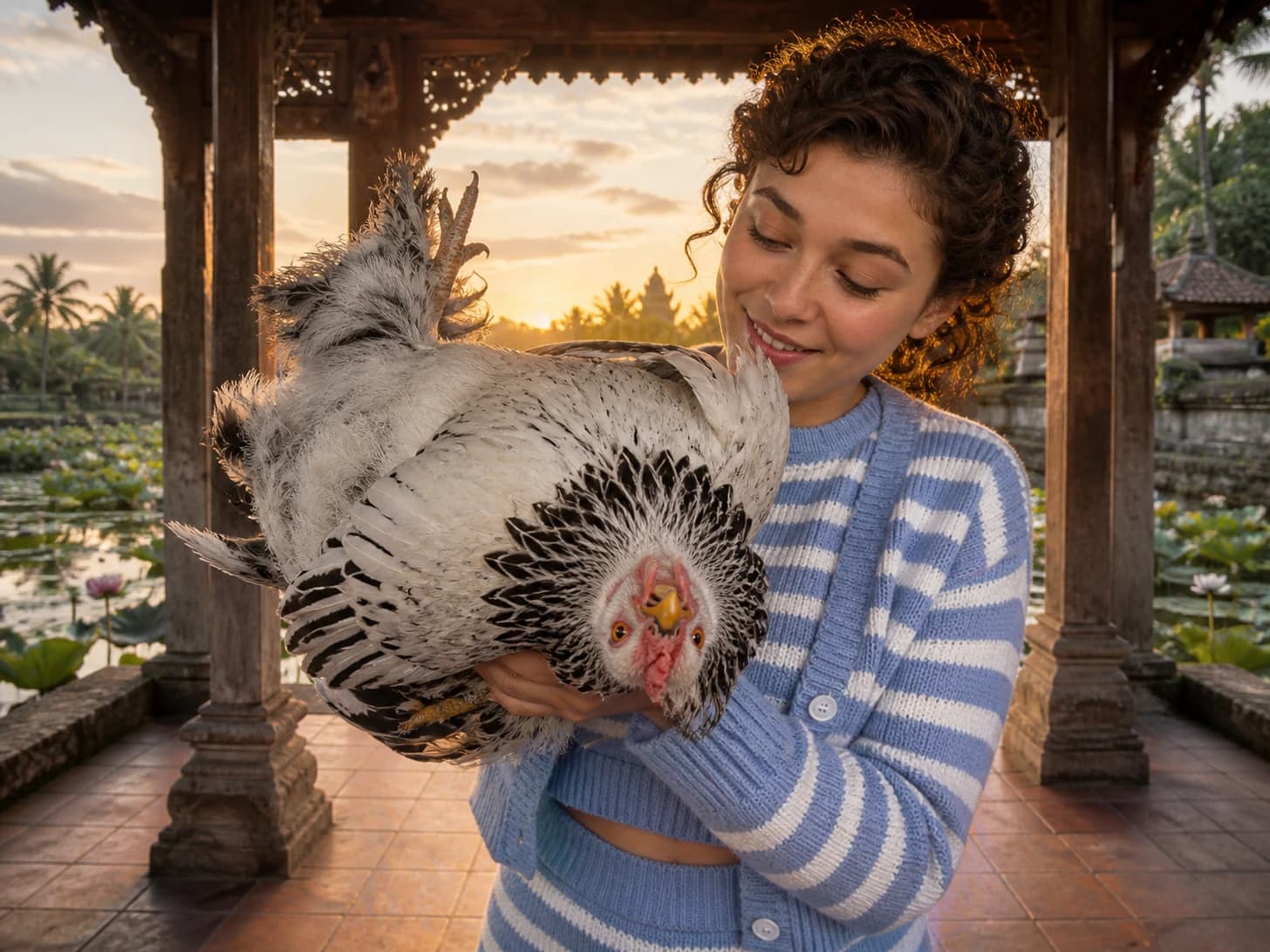
2 brahma photos, newest first

Living with a brahma
The feathered legs are the breed-specific consideration. They mat and cake in mud and are a favoured site for scaly leg mite, so Brahmas need dry ground and their feet checked regularly.
They lay moderately but often keep laying through winter when other breeds stop, which is part of their appeal.
Being heavy, they cannot fly and need low roosting bars — a high perch causes foot injuries on landing.
Standard poultry care otherwise: a dry ventilated coop, a fox-proof run, at least three birds, complete layer feed with grit and oyster shell, and routine red mite checks.
General guidance, not veterinary advice. Individual birds vary, and anything about a specific animal is a question for a vet who has seen it.
More birds by breed
Every bird breed somebody has posted a photo of.