Alexandrine parakeet
The Alexandrine parakeet is named for Alexander the Great, whose returning armies are credited with bringing the birds west from the Punjab — making it one of the first parrots kept in Europe.
It is the largest of the ring-necked parakeets.
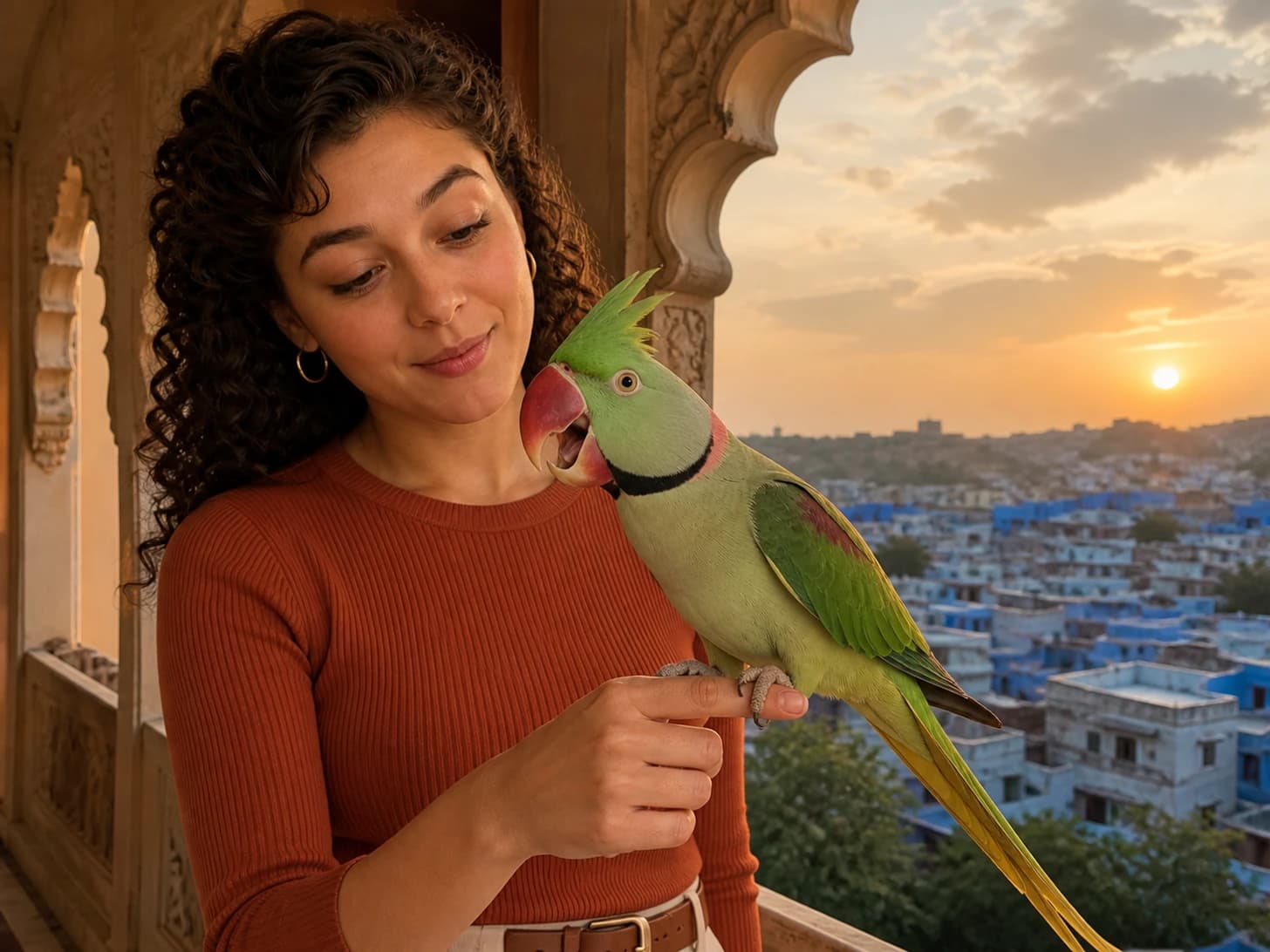
It is a long-tailed green parrot with a heavy red beak and a distinctive maroon shoulder patch; mature males add the black and rose neck ring. Alexandrines are calmer and less shrill than many parakeets but are still loud, and they are powerful chewers. They talk well, and tame birds are affectionate, though many become notably territorial about their cage.
- Origin
- India and south-east Asia
- Size
- 56–62 cm including tail; 200–300 g
- Lifespan
- 25–30 years
- Diet
- Pellets, fresh vegetables and fruit, sprouted seed
- Temperament
- Confident, affectionate when tame, cage-territorial
- Noise
- Loud, with piercing contact calls
Related: Bourke's parakeet
2 alexandrine parakeet photos, newest first

Living with a alexandrine parakeet
The long tail dictates the cage: it needs to be wide and tall enough that the tail never touches the bars, which is larger than most people expect.
They are serious chewers and need a constant supply of destructible wood. Without it they redesign furniture.
Cage territoriality is common — many are sweet outside the cage and defensive inside it, so let the bird come out to you rather than reaching in.
An all-seed diet causes vitamin A deficiency and fatty liver disease. Keep them off non-stick fumes, aerosols and scented products, all of which are fatal to birds.
General guidance, not veterinary advice. Individual birds vary, and anything about a specific animal is a question for a vet who has seen it.
Worth reading alongside this
More birds by breed
Every bird breed somebody has posted a photo of.